
Swarm Coordination Logic
Imagine a flock of birds turning in perfect harmony without a single leader giving direct orders. This natural phenomenon provides the blueprint for modern drone technology, where multiple machines operate as one unit. When engineers design these systems, they look to biological patterns to ensure that large groups of drones move safely and efficiently. By mimicking the way starlings fly in tight formations, developers can create complex logistics networks that avoid collisions while maximizing speed. This approach to movement allows a fleet to handle massive delivery loads without needing constant human intervention for every single turn or adjustment.
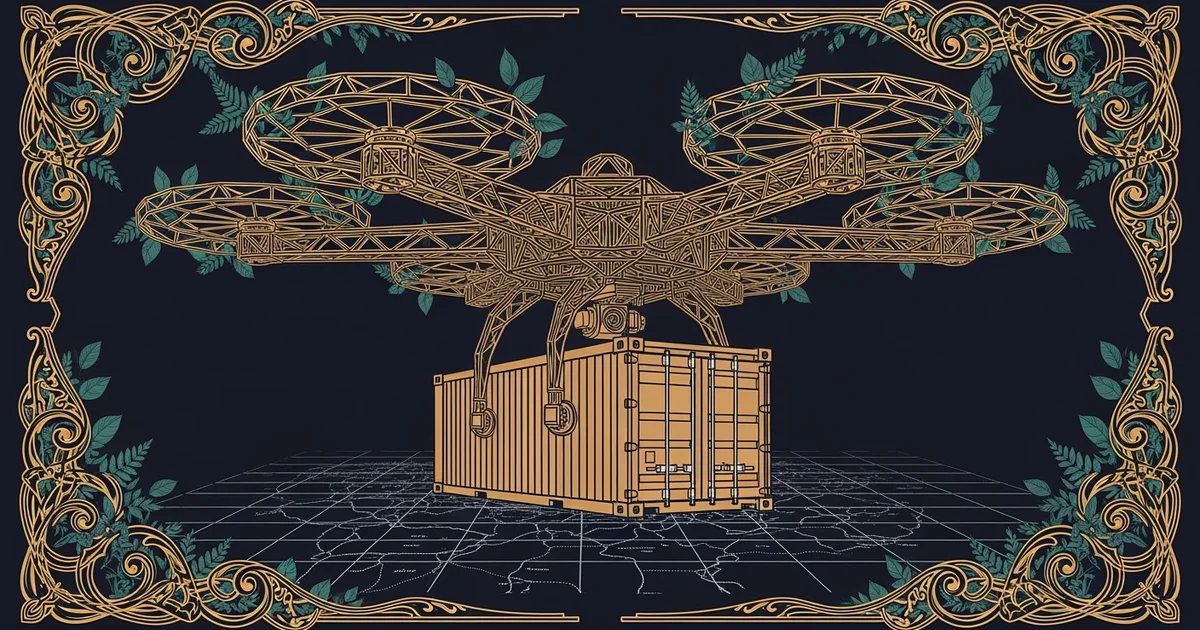
The Mechanics of Collective Motion
To manage a group of drones, engineers rely on swarm coordination logic, which acts as the digital brain for the entire fleet. This system allows each drone to monitor its immediate neighbors, adjusting its speed and position based on the data it receives from those nearby. Think of this like a group of commuters walking through a busy train station during the morning rush. Each person keeps a small distance from others to avoid bumping into them, yet everyone moves toward the same exit at a steady pace. If one person stops, the others adjust their path slightly, allowing the flow of the crowd to continue without a major disruption. In the same way, drones use sensors to maintain a buffer zone, ensuring that the entire group remains fluid and responsive to changing conditions in the air.
Key term: Swarm coordination logic — the set of programmed rules that allows individual drones to make autonomous decisions based on the movements of nearby units.
When drones operate in a swarm, they do not just follow a central computer, but instead share local data to make split-second choices. This decentralization is vital because it removes the risk of a single point of failure within the network. If a central server were to crash, a swarm with local logic would simply continue its mission by relying on the peer-to-peer data flow. Each unit calculates its own path while considering the collective goal, which keeps the logistics chain moving even if one or two drones encounter mechanical issues. This resilience makes swarms ideal for large-scale delivery tasks where reliability is the most important factor for success.
Managing Fleet Dynamics and Obstacles
Beyond basic movement, the swarm must also handle external obstacles and changing delivery routes that appear without warning. The control system uses specific algorithms to ensure that the drones maintain a formation that is both aerodynamic and safe for the surrounding environment. The following table outlines how the system prioritizes different tasks during a standard flight sequence:
| Priority Level | Task Description | System Action |
|---|---|---|
| High | Collision Avoidance | Immediate path correction to maintain buffer |
| Medium | Formation Holding | Adjusting speed to match the group average |
| Low | Route Optimization | Recalculating the path toward the final destination |
This hierarchy ensures that safety always comes before speed, which is a critical requirement for operating in public spaces or near buildings. When a drone detects an obstacle, it communicates this finding to the nearby units, which then shift their positions to accommodate the change. This collective response happens in milliseconds, far faster than any human operator could react. Because the drones constantly update their relative positions, the swarm acts like a living organism that can bend and weave around structures while keeping its cargo safe and secure. This ability to adapt in real-time is what separates simple remote-controlled drones from sophisticated, autonomous logistics fleets that can handle the complexities of a modern city.
True swarm efficiency emerges when individual units prioritize local safety rules to maintain the stability of the entire group.
But what does it look like when these drones need to carry heavy items while maintaining this complex formation?
Want this with sources you can check?
Premium Learning Paths for Engineering & Robotics are researched against open-access libraries — PubMed, arXiv, government databases, and more — with their distinctive claims cited to real sources and independently checked.
See what Premium includes