
Future Technologies
Engineers once dreamed of simple metal wings that could lift heavy loads into the clouds. We now face a future where machines must navigate the delicate balance between extreme speed and total environmental sustainability. Designing the next generation of aircraft requires us to solve the tension between massive power needs and strict carbon limits. How do we build machines that conquer gravity while protecting the planet for future generations of travelers?
The Shift Toward Electric Propulsion
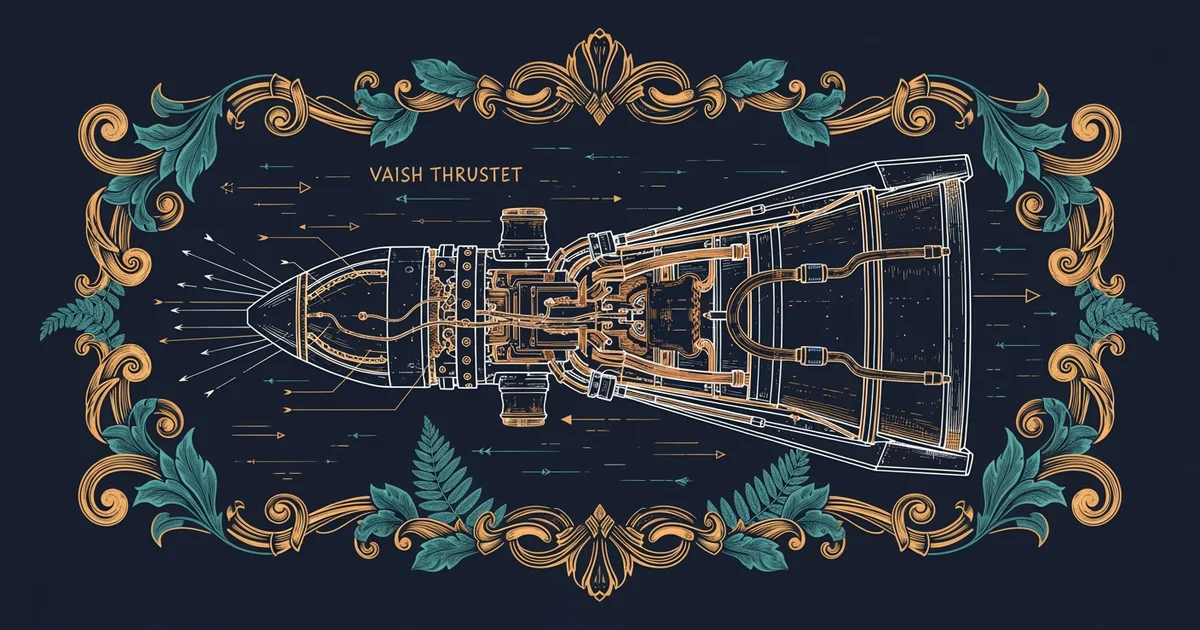
The most significant change in modern aviation involves moving away from burning heavy fossil fuels. Engineers are developing electric propulsion systems that use large battery packs to spin powerful fans for lift. Much like a smartphone requires a battery to function, these new planes rely on high-density energy storage to stay aloft. This shift creates a massive engineering challenge because batteries are currently much heavier than liquid fuel tanks. We must design lighter airframes to compensate for the weight of the batteries, which forces us to rethink every single material used in construction.
Key term: Electric propulsion — a method of generating thrust for flight by using electrical energy to power motors rather than burning chemical fuel.
This transition mirrors the way early car manufacturers moved from steam engines to gasoline motors for better efficiency. We are currently in the experimental phase where small, short-range planes test these new power sources. If we succeed in making batteries lighter and more powerful, we can move toward larger aircraft that fly without producing direct emissions. This change is not just about the motor, but about redesigning the entire plane to be as efficient as possible.
Advanced Materials and Structural Innovation
Beyond the power source, we must consider the materials that form the body of these futuristic flying machines. Modern engineers use composite materials that combine different substances to create structures that are both incredibly strong and very light. These materials allow us to build complex wing shapes that reduce drag, which is the force that slows a plane down during flight. By reducing drag, we require less energy to maintain speed, which helps solve the weight issues found in battery-powered designs.
To understand how these systems evolve, consider the following key technologies that are currently shaping the future of the aerospace industry:
- Autonomous flight systems use complex algorithms to manage navigation and safety, which reduces the need for human input during routine travel phases.
- Hydrogen fuel cells provide a clean energy alternative by converting hydrogen gas into electricity, leaving only water vapor as a harmless exhaust byproduct.
- Morphing wing structures allow aircraft to change shape mid-flight, which optimizes airflow and improves fuel efficiency during different stages of a long journey.
These innovations represent a synthesis of the work done in earlier stations, where we first learned about basic flight physics and mission planning. We are now applying those foundational lessons to create machines that are smarter and cleaner than anything built in the past.
| Technology | Primary Benefit | Current Limitation |
|---|---|---|
| Electric Motors | Zero emissions | Heavy battery weight |
| Hydrogen Cells | High energy density | Storage and safety |
| Composite Bodies | Low overall weight | High production costs |
This table highlights the trade-offs that engineers must navigate when choosing the right technology for a new aircraft. We cannot simply pick the best technology in isolation, as every choice affects the total weight and range of the machine. The goal is to find the perfect balance where the plane is light enough to fly long distances while remaining safe for all passengers on board.
Future aerospace engineering requires a synthesis of sustainable power, lightweight materials, and autonomous control to move beyond the limitations of traditional flight.
Designing machines that conquer gravity and reach the stars is a continuous process of refining our tools to meet the changing needs of the global environment.