
The Roots of Flight
Imagine standing on a windy cliff edge while holding a large, flat wooden board. If you tilt the board slightly, you feel the wind push it upward with surprising force. This simple sensation is the exact same physical mystery that allows massive metal planes to lift off the ground. Humans spent centuries watching birds glide through the sky before we finally learned to capture that invisible energy. By understanding the rules of the air, we moved from dreaming about flight to building machines that conquer gravity.
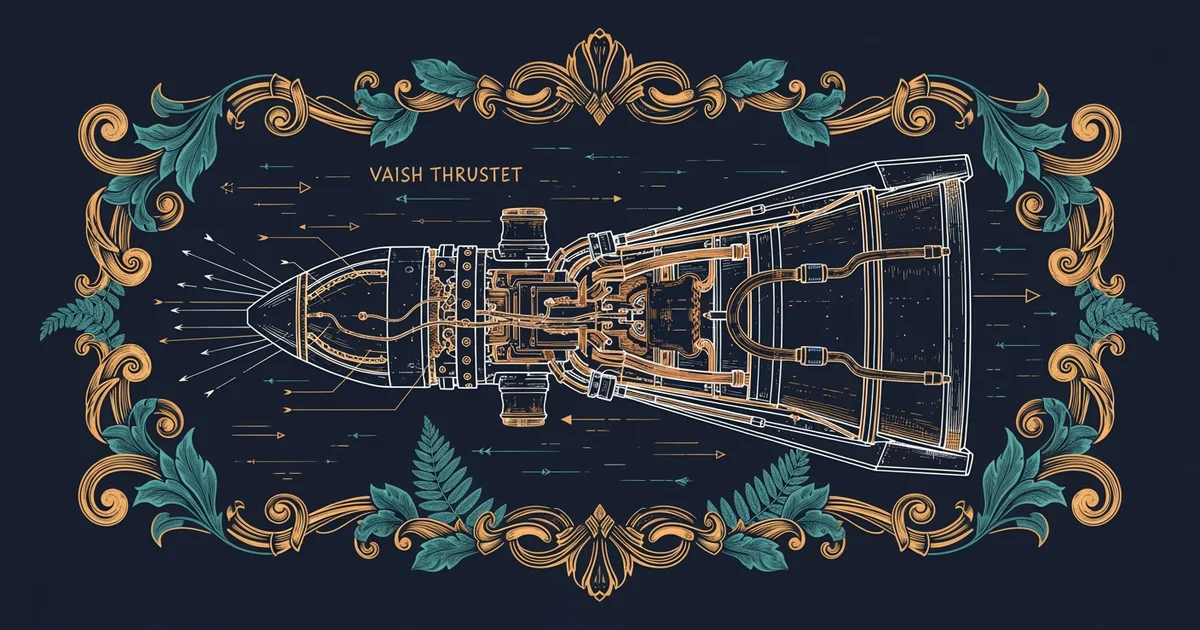
The Invisible Forces of Atmospheric Flight
To move through the air, every flying machine must manage four competing forces that pull in different directions. Think of these forces like a tug-of-war match where the teams are gravity, drag, thrust, and lift. Gravity pulls the machine down toward the earth while lift pushes it up toward the sky. Meanwhile, drag acts as a stubborn resistance that wants to slow the craft down. To overcome this, engines or propellers create thrust to push the machine forward through the thick air. When these forces balance in specific ways, the object can stay stable in the air for long periods.
Key term: Aerodynamics — the study of how gases like air move around solid objects such as wings.
Understanding how air flows around a wing is the foundation for all modern aerospace design. Air is a fluid, meaning it acts somewhat like water even though it is invisible to our eyes. When air hits a curved wing, it speeds up over the top and slows down underneath. This difference in speed creates a pressure change that pushes the wing toward the area of lower pressure. You can imagine this like a fast-moving river current that pulls a small boat toward the center. If the wing shape is just right, the air does the hard work of lifting the heavy weight.
Balancing the Mechanics of Motion
Engineers must carefully design every part of an aircraft to ensure these four forces stay in harmony. If the weight becomes too heavy, the lift can no longer support the craft, causing it to fall. If the drag increases too much, the engine may not have enough power to maintain the necessary speed. Designers use specific shapes to reduce drag and maximize lift, ensuring that the machine remains efficient during flight. This balance requires precise math and a deep understanding of how air particles collide with the surface of the craft.
To manage these forces, engineers focus on three specific components that dictate how a craft behaves during its journey through the sky:
- Airfoils are specially shaped wings that force air to travel further over the top surface, creating a pressure difference that generates upward lift.
- Control surfaces act as movable flaps on the wings and tail, allowing the pilot to change the airflow direction to steer the machine.
- Propulsion systems provide the necessary forward thrust by pushing air or exhaust gases backward, which drives the entire craft forward through the sky.
By adjusting these parts, we can make a machine climb, dive, or turn with total control. The goal is to create a design that stays stable even when the wind changes speed or direction. Every successful flight depends on this constant dance between the machine and the atmosphere. Mastery of these principles allows us to build everything from small drones to massive passenger jets that travel across the entire globe. This foundational knowledge will serve as the launchpad for your journey into the complex world of aerospace engineering and advanced rocketry.