
The Role of Consumer Choice
Imagine walking into a grocery store where only one brand of cereal exists on the entire shelf. You would have no choice but to pay whatever price the store demands for that single box. This simple scenario shows that your ability to pick between different items forces companies to compete for your business. When you walk away from a high price, you send a signal that changes how businesses operate in the wider market. Your small daily decisions act like a steering wheel for the entire economy.
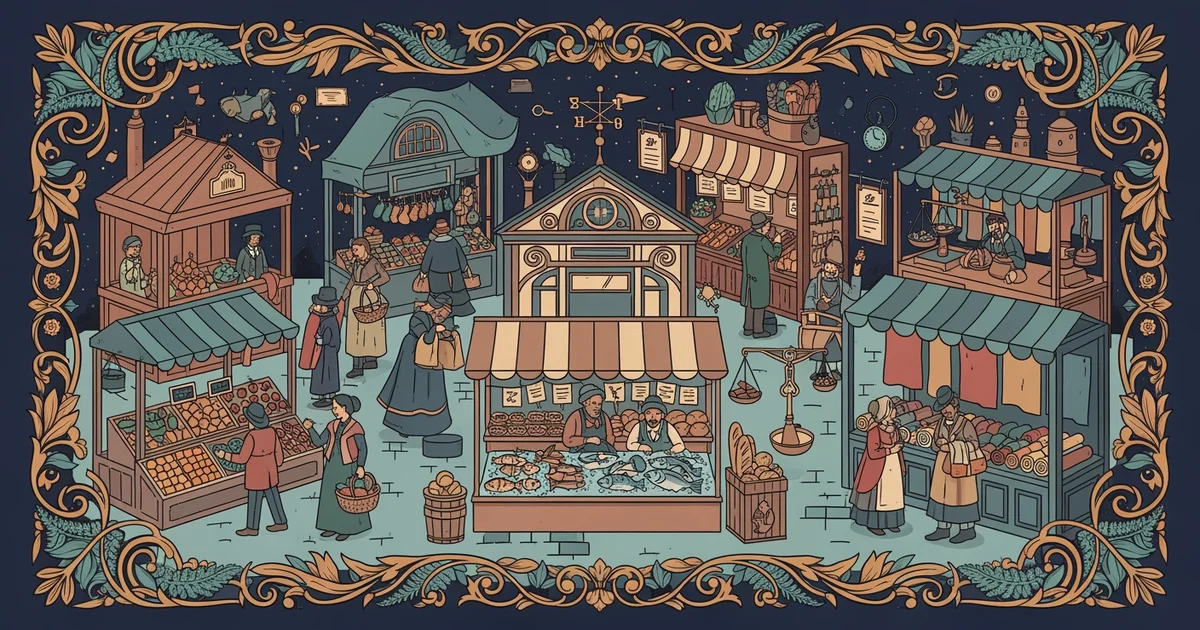
The Power of Buyer Choices
Every time you choose to buy a product, you are casting a vote for that specific company. If many people choose the same item, the company gains profit and grows larger to meet the demand. If you decide to skip a product because the price is too high, the company loses potential revenue immediately. This pressure forces firms to lower their prices or improve their quality to win you back. Without this power, companies would have no reason to innovate or keep costs low for the public.
Key term: Consumer sovereignty — the economic idea that the desires and needs of buyers ultimately control what goods are produced.
Businesses track these choices closely to ensure they remain profitable in a crowded marketplace. They look at data to see which features you prefer and which prices you reject. When you compare two similar items, you are performing a vital economic function that keeps the market healthy. This process ensures that resources go toward things that people actually want to use. You might think your single purchase does not matter, but the collective power of millions of buyers shapes the entire landscape of global trade.
Market Competition and Quality
Competition is like a race where the finish line is the satisfaction of the buyer. In this race, companies must run faster by offering better goods at lower prices than their rivals. If a business stops trying to improve, another company will quickly take its place. This cycle creates a constant drive toward better technology and more efficient production methods. You benefit from this process every time you find a cheaper or higher quality option than the one you bought last year.
| Market Type | Number of Sellers | Your Choice Power |
|---|---|---|
| Monopoly | One single firm | Very low power |
| Oligopoly | A few large firms | Moderate power |
| Competition | Many small firms | Very high power |
This table shows how the number of available sellers changes your personal influence over the market. When many firms exist, you can easily switch brands if you are unhappy with the current quality. If only a few firms exist, your choices are more restricted, which gives those firms more control over the final price. Understanding this structure helps you see why some markets feel more expensive than others. You are the most important part of this system because your wallet decides which companies survive and which ones fail.
Choosing between products is not just about your personal preference for color or taste. It is a fundamental action that keeps the entire economic system honest and productive. When you demand better value, you force the whole industry to adapt to your needs. This dynamic creates a world where businesses must work hard to earn your trust and your money. Without your participation, the engine of the economy would simply stop moving forward.
The active choices made by individual buyers provide the necessary pressure that forces businesses to improve quality and reduce costs.
Now that we understand how your choices influence the market, we will explore how the forces of supply and demand determine the actual prices you see on the shelf.
This content is educational only and does not constitute financial or investment advice.