
Defining Market Competition
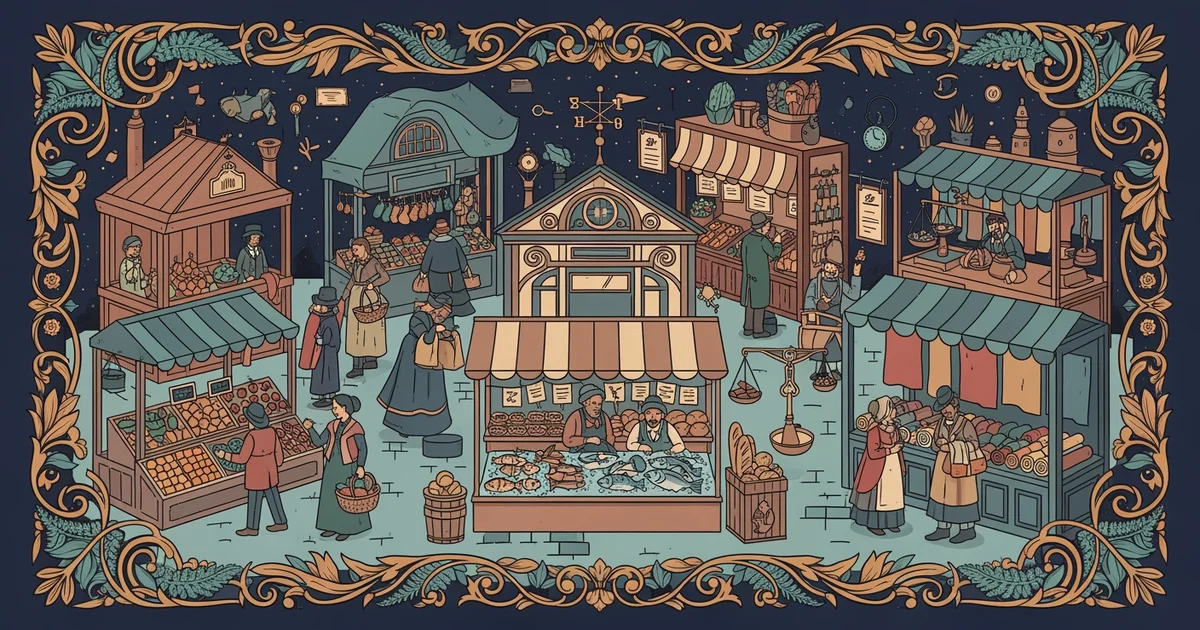
Imagine walking into a local market where only one vendor sells fresh apples at a very high price. You have no other choice if you want fruit, so you must pay the amount they demand for their goods. This situation changes completely when five other vendors open stalls right next to the first one with similar fruit. Suddenly, the vendors must lower their prices or improve their quality to earn your hard-earned money. This simple struggle for your business is the basic engine of a healthy, functioning economy.
The Mechanics of Market Rivalry
Market competition occurs when multiple firms try to win over the same group of customers. Each business acts as a rival to others by offering products that satisfy the same basic human needs. When companies compete, they cannot simply charge whatever they want because customers will leave for a better deal. This pressure forces businesses to operate efficiently while keeping their costs as low as possible. In a competitive environment, the power shifts from the seller to the buyer because the buyer holds the ultimate choice.
Key term: Market competition — the process where multiple businesses offer similar goods to customers to gain a larger share of sales.
Think of this dynamic like a race where the finish line is a customer's decision to buy. Every runner wants to win the prize, which is the profit from your sale. To win, they must run faster, train harder, or offer a better experience than the person in the next lane. If one runner slows down or starts charging too much, the others quickly pull ahead. This constant movement keeps the entire market active and prevents any single seller from becoming lazy or greedy with their pricing strategies.
Comparing Market Environments
Businesses operate in different ways depending on how many rivals they face in their local area. We can look at these differences by comparing the number of sellers and how much control they have over the final price of an item.
| Market Type | Number of Sellers | Price Control | Customer Options |
|---|---|---|---|
| Monopoly | One single firm | Very high | Extremely limited |
| Oligopoly | A few large firms | Moderate | Somewhat limited |
| Competition | Many small firms | Very low | Very high |
When you look at this table, you can see that the number of sellers dictates the freedom a company has to set prices. In a market with many sellers, no single business can force a price change on the public. If one store raises its price, you simply walk to the store next door to buy the exact same item for less money. This keeps the market fair and ensures that goods remain affordable for everyone who needs to buy them.
- Price Discovery happens when many sellers reveal the true value of a good through their competing offers.
- Quality Improvement occurs because firms must make better products to stand out from their many direct rivals.
- Efficient Production is required because firms that waste resources will lose the race to those who manage costs better.
These three factors work together to create a system that benefits the average shopper every single day. By forcing firms to prove their value, the market ensures that you get the best possible deal for your money. You are the final judge in this process, and your decision to buy or walk away is the most important signal in the entire economy. This path will show you how your choices drive the world of finance and keep the global market moving forward. This content is educational only and does not constitute financial or investment advice.
Market competition matters because it forces businesses to lower prices and improve quality to win your business.
Next, we will explore how your individual decisions as a consumer influence the entire market.