
Future Trends in Farming
Imagine a farm where every single plant tells the grower exactly what it needs to thrive. Farmers currently face the challenge of feeding a growing global population while managing limited land and water resources. Future farming trends suggest that technology will shift from simple monitoring toward fully autonomous systems that act without human intervention. This evolution relies on integrating massive data streams to create a responsive, efficient agricultural cycle that saves time and money.
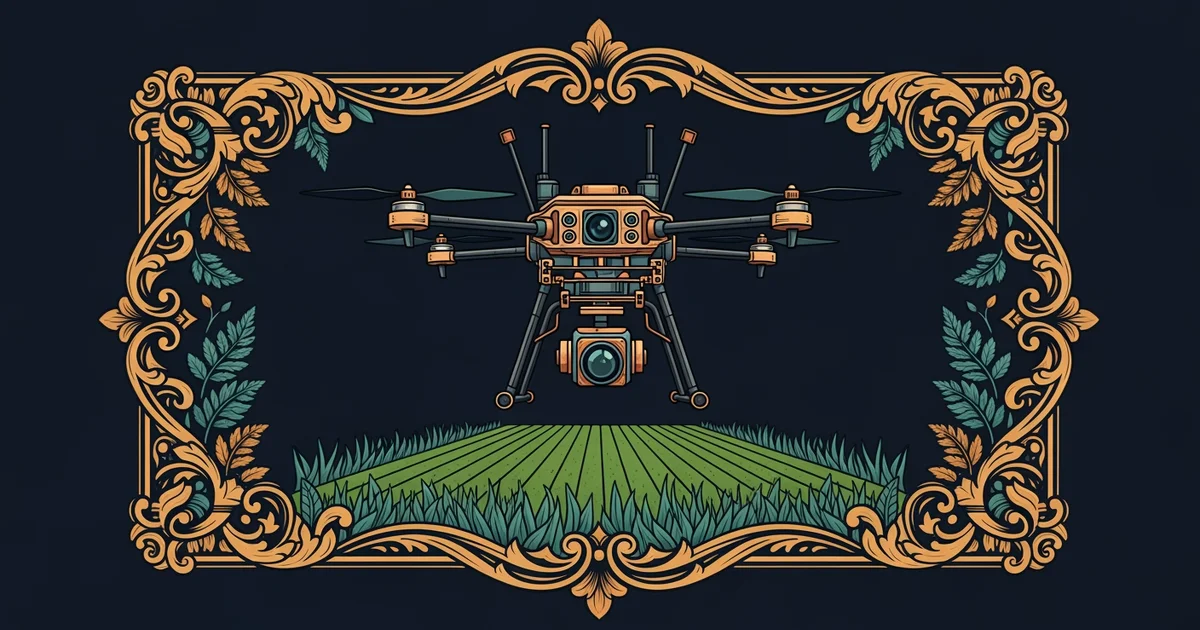
The Rise of Autonomous Systems
Advanced robotics will soon handle the most repetitive tasks on the farm with extreme precision and speed. These machines use sensors to navigate fields while avoiding obstacles and identifying individual crops that require attention. Just as a self-driving car processes road data to stay in its lane, these robots process field data to apply nutrients exactly where they are needed. By removing the need for manual labor on routine jobs, farmers can focus on complex management decisions. This shift reduces the physical strain on workers and increases overall output by ensuring that no plant is ignored during critical growth phases.
Key term: Autonomous systems — machines that perform complex agricultural tasks without direct human supervision or constant manual control.
These systems function like a master chef who constantly adjusts the heat and seasoning for every dish in a busy kitchen. The chef does not watch every single bubble, but the automated stove does it for them to ensure consistent quality. In the field, autonomous platforms use real-time data to adjust water flow or fertilizer rates on the fly. This level of control prevents waste and ensures that crops receive the perfect amount of inputs to reach their maximum potential yield.
Data Integration for Future Growth
Future farms will combine historical data with live satellite feeds to predict weather patterns and soil health shifts. This interconnected approach builds upon the economic impact analysis of previous seasons to optimize future investments in equipment. By analyzing years of harvest data, farmers can determine which crop varieties perform best under specific climate conditions. The following table highlights how different technologies contribute to this predictive model:
| Technology | Primary Function | Data Input | Expected Outcome |
|---|---|---|---|
| Soil Sensors | Moisture tracking | Chemical levels | Precise irrigation |
| Drone Imaging | Health monitoring | Infrared light | Disease prevention |
| AI Software | Yield prediction | Historical logs | Resource allocation |
- Machine learning algorithms process thousands of data points to identify subtle trends that humans might easily miss while walking through the fields. These digital tools act as a second brain for the farmer, allowing for faster responses to environmental changes like sudden heat waves or pest outbreaks.
- Smart irrigation systems utilize local weather forecasts to decide when to water crops, ensuring that moisture is provided only when the plants truly need it. This method drastically reduces water consumption while maintaining high productivity levels throughout the growing season.
These innovations represent a move away from blanket farming techniques that treat an entire field as one uniform unit. Instead, technology allows for a granular approach where every square meter receives custom care. This evolution in precision agriculture solves the foundation question by proving that technology enables higher yields with significantly fewer resources. As these tools become more affordable, even small farms will gain access to high-tech management strategies. The future of farming is not about working harder, but about working smarter through the power of connected, intelligent systems.
Future agricultural success depends on using autonomous data-driven tools to manage resources at the individual plant level rather than the field level.
Precision farming technology will continue to evolve, making it easier for farmers to produce more food with fewer resources while protecting the environment.