
Brine Evaporation Pond Dynamics
Imagine you are trying to separate salt from a large bucket of water using only the power of the sun. This simple act of waiting for liquid to vanish reveals the core secret behind how we harvest lithium from deep underground reservoirs.
The Mechanics of Solar Concentration
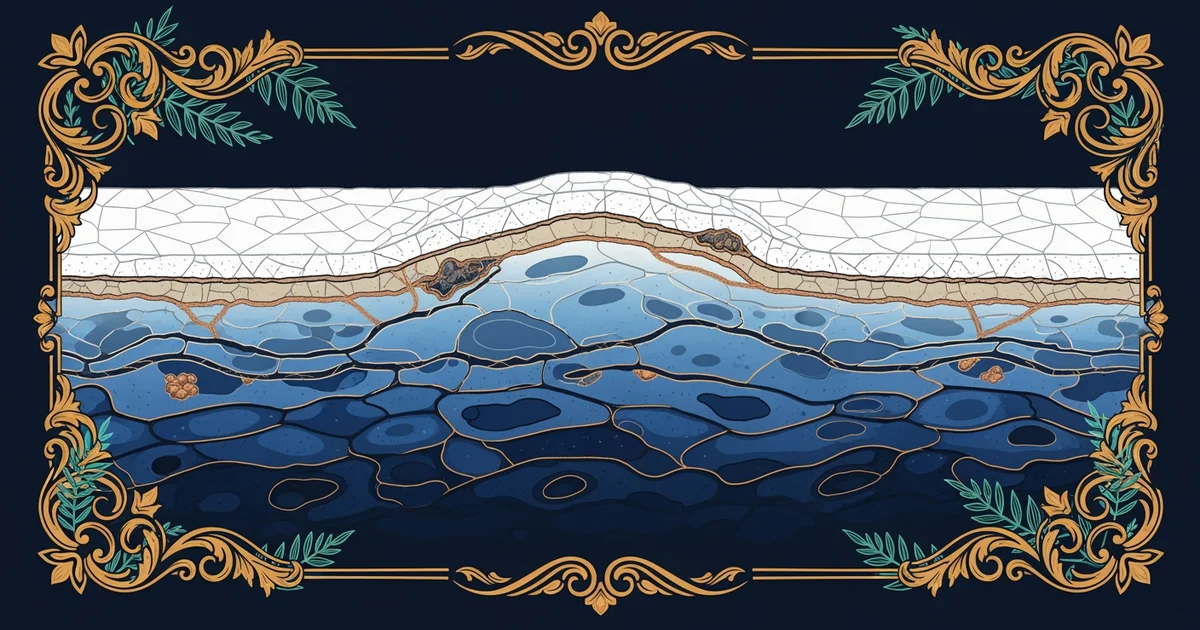
When we pump mineral-rich water from deep beneath the salt flats, we bring a complex mixture to the surface. This liquid, known as brine, contains dissolved lithium that we must isolate through a slow, natural process. We pour this liquid into shallow, man-made basins that cover vast stretches of the desert floor. As the intense sun beats down on these ponds, the water molecules escape into the air as vapor. This process leaves behind a concentrated solution where the lithium becomes much easier to manage. You can think of this like boiling down a large pot of soup until only a thick, flavorful base remains. The sun acts as the stove, while the pond serves as the pot, working day and night to reduce the volume. By removing the water, we increase the density of the valuable minerals trapped within the remaining liquid. This physical change is the essential first step in our quest to gather the raw materials for modern batteries.
Key term: Brine — a high-salinity water solution extracted from subterranean aquifers that serves as the primary source for lithium harvesting.
Once the water begins to evaporate, the minerals start to settle out of the liquid in a specific order. This sequence depends on how easily each mineral turns into a solid as the concentration rises. We must manage these ponds carefully to ensure that we do not lose the lithium during this transition. If we allow the mixture to become too thick, other unwanted salts will crystallize and block our progress. The following stages define how we track this concentration process:
- Initial Pumping: We draw raw liquid from deep wells and distribute it across the primary evaporation basins.
- Mineral Precipitation: As water levels drop, salts like sodium chloride begin to form solid layers on the pond floor.
- Progressive Transfer: We move the remaining liquid to secondary ponds to separate the lithium from other heavy minerals.
- Final Enrichment: The liquid reaches a high concentration of lithium, making it ready for chemical processing in a plant.
Managing the Pond Environment
Maintaining these vast ponds requires constant attention to weather patterns, wind speed, and local humidity levels. If the climate becomes too damp, the evaporation rate slows down, which delays the production of the lithium concentrate. We use a series of sensors to monitor the depth and chemical composition of the liquid at every stage. This data allows us to predict when the liquid should move to the next basin for further refinement. The goal is to keep the lithium moving while letting the other materials fall away. Efficiency in this system depends on maximizing the surface area exposed to the sun and wind. By spreading the liquid thin, we ensure that the evaporation happens as fast as the environment allows. This method is highly cost-effective because it relies on natural energy rather than expensive artificial heating systems. We essentially harvest the sun to do the heavy lifting for us, turning a simple desert landscape into a massive industrial refinery. The success of this process hinges on our ability to control the flow of liquid through these interconnected basins.
| Stage | Primary Action | Resulting Change |
|---|---|---|
| Primary | Solar heating | Water loss occurs |
| Secondary | Salt removal | Density increases |
| Finishing | Final transfer | Lithium enriched |
This table shows how the liquid changes as it moves through the system. Each step reduces the total volume while boosting the concentration of the desired metal. We must balance the speed of evaporation with the need for high purity in our final product. Proper management prevents the loss of lithium and ensures that the final brine is ready for the next stage of manufacturing.
The solar evaporation process transforms raw underground liquid into a concentrated mineral source by using natural heat to remove excess water.
The next Station introduces hard rock spodumene processing, which determines how we extract lithium from solid stone instead of liquid brine.