
Geological Origins of Lithium Deposits
Imagine you are holding a smartphone that relies on a tiny battery to function throughout the day. That battery contains a vital metal that came from deep within the earth before it reached your hands.
Geological Origins of Lithium Deposits
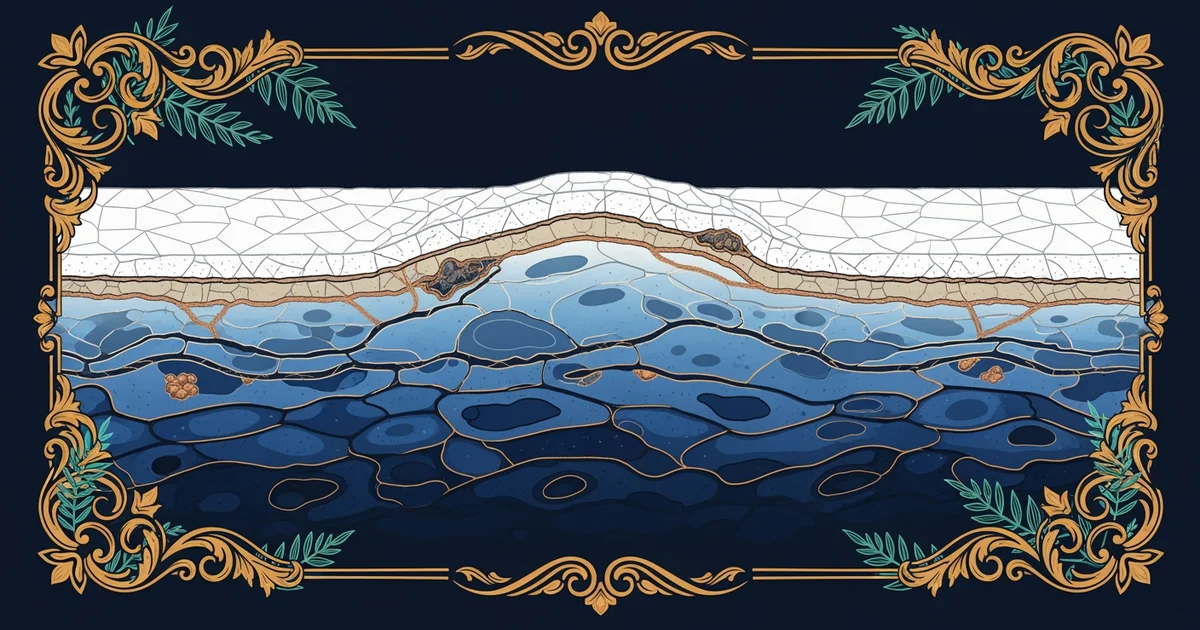
Lithium exists in two main forms within the crust of the earth, and understanding them helps us grasp how we extract this resource. The first type involves hard rock deposits, which are igneous rocks formed from cooled magma deep beneath the surface. These rocks contain minerals that trap lithium atoms within their rigid crystalline structures during the cooling process. Think of these rocks like a dense fruitcake where the lithium acts as a rare nut baked into the heavy dough. To get the lithium out, we must crush the rock into fine powder and use heat or chemicals to release the trapped particles. This process requires significant energy, making it a costly way to obtain the metal for our modern technology.
Key term: Hard rock — a dense igneous mineral source where lithium atoms are trapped inside solid crystal structures requiring physical crushing for extraction.
Brine-based deposits represent the second primary way we find this element in nature today. These deposits form when water dissolves lithium from surrounding rocks and carries it into large, enclosed basins over vast timeframes. As the water evaporates under the hot sun, the lithium becomes concentrated in the remaining salty liquid known as brine. Imagine a pot of soup left on a stove where the water slowly disappears, leaving behind a thick and salty broth. This method is often cheaper than mining hard rock because we rely on the sun to do the heavy lifting of evaporation. We pump the salty liquid into large ponds where the wind and heat separate the water from the mineral wealth.
| Feature | Hard Rock Deposits | Brine-Based Deposits |
|---|---|---|
| Source | Igneous rock formations | Salty underground pools |
| Extraction | Crushing and heating | Solar evaporation ponds |
| Energy Use | Very high requirements | Lower energy intensity |
These two methods provide the vast majority of our global supply, but they present different challenges for geologists and engineers. Hard rock mining is predictable because the deposits stay in one place, yet the environmental cost of digging remains high. Brine extraction offers a simpler path, though it depends heavily on local climate conditions and available water sources. We must balance our need for these materials with the reality of how they form in the ground. By mapping these geological features, we can better predict where future supplies might exist for the next generation of battery designs.
- Hard rock mining requires grinding heavy stones to release the lithium trapped inside the dense crystal lattice.
- Brine extraction uses natural evaporation to concentrate the lithium from salty water found in dry lake beds.
- Both methods rely on the slow cooling of the earth or the movement of water over millions of years.
Understanding these origins helps us see that our technology is linked directly to the physical history of the planet. Every time you charge a device, you are using a resource that spent eons hiding in a rock or a salty pool. This connection reminds us that our modern convenience depends on the slow and steady work of the natural world. We must continue to study these geological patterns to ensure we can meet our future demands without exhausting the earth.
Lithium is sourced primarily from either dense igneous rock formations or concentrated salty water basins, with each method requiring different levels of energy and processing.
The next step in our journey involves exploring the historical methods used to mine these minerals before modern technology changed the landscape.