
Geological Storage Basics
Imagine trying to store a giant pile of dry leaves inside your house during a heavy windstorm. You would need a room that is completely sealed off from the outside air to keep those leaves from blowing away and creating a mess. Storing carbon dioxide deep underground works in a similar way because we must find the right natural containers to hold the gas securely. We look for deep rock layers that act like locked vaults to ensure the carbon stays trapped for many centuries. This process is essential for removing greenhouse gases from our atmosphere and preventing them from heating up our planet further.
Understanding Underground Rock Storage
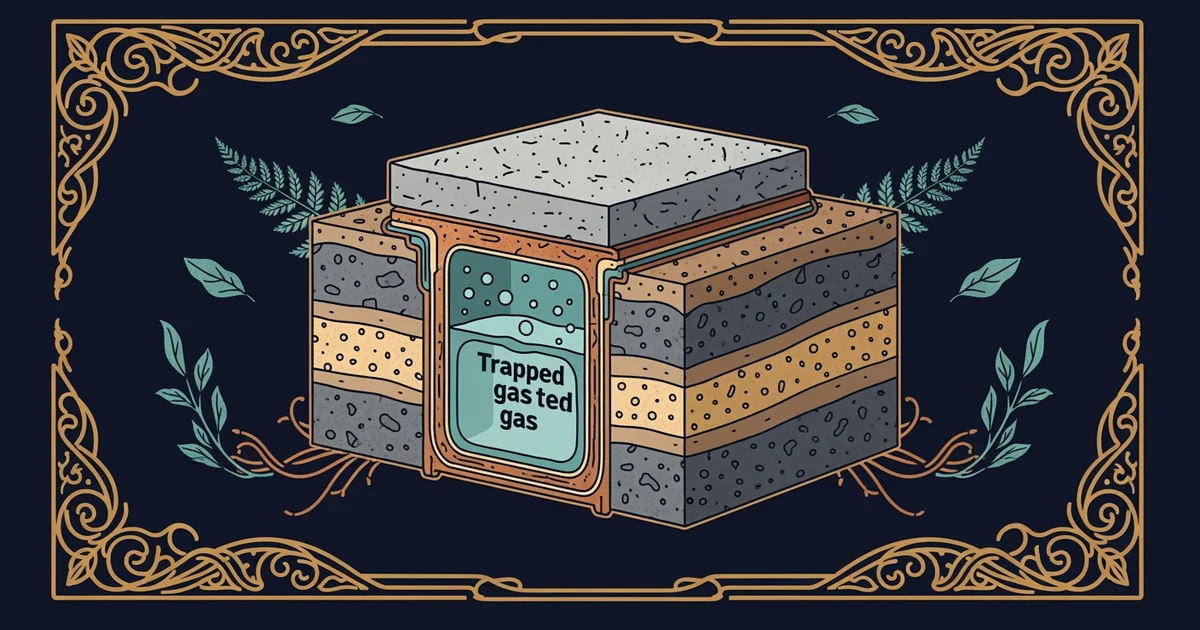
When we talk about putting carbon underground, we are not just digging random holes into the earth. Scientists look for specific types of geological formations that have the right physical structure to hold large volumes of gas. These formations often consist of porous rocks that act like a giant, hard sponge filled with tiny holes. The carbon dioxide is pumped down into these deep layers where it fills the spaces between the rock grains. Because these rocks are buried thousands of feet down, the pressure keeps the carbon in a dense state that is easy to manage.
To keep the carbon from leaking back to the surface, we must find a layer of rock that acts as a cap. This is known as a caprock, which is a dense, solid layer of stone that sits directly above the storage area. Think of the caprock like the lid on a jar of peanut butter that keeps the contents from spilling out. Without this solid barrier, the carbon would slowly rise through the cracks in the crust and eventually reach the surface again. Finding a secure caprock is the most important step in choosing a site for long-term storage.
The Role of Porosity and Permeability
Successful carbon storage depends on two main features of the rock layers found deep beneath our feet. We measure these features to see if a location can hold enough gas to make the project worthwhile. The following list explains the critical traits that geologists look for when they survey potential sites for carbon sequestration:
- Porosity refers to the total volume of empty space inside the rock that can physically hold the carbon molecules — without enough open space, the rock cannot store a significant amount of gas.
- Permeability describes how easily the gas can move through the connected pores of the rock — high permeability allows the carbon to spread out evenly through the entire storage area.
- Structural integrity ensures that the rock can handle the high pressure of the injected gas without cracking or breaking — this prevents leaks from forming after the storage process has already started.
When these three factors are present in the right balance, the rock layer becomes an ideal place for carbon storage. We avoid areas with natural faults or fractures that might allow gas to escape too quickly. By mapping the underground landscape with great care, we can identify these stable zones and use them to protect our climate for the future.
| Feature | Function in Storage | Impact on Safety |
|---|---|---|
| Porosity | Holds the gas volume | Higher capacity |
| Caprock | Seals the top layer | Prevents leakage |
| Pressure | Keeps gas dense | Increases storage |
This table shows how different parts of the earth work together to keep carbon safely tucked away. The goal is to maximize the amount of gas we can store while ensuring that the environment remains stable and secure. We are essentially using the natural architecture of the earth to solve a modern problem created by our own industrial activities. As we refine these methods, we learn more about the deep layers of our planet and how they can help us manage our carbon footprint. The challenge remains to find these perfect locations in enough places to make a real difference for the global climate.
Geological sequestration uses deep, porous rock layers capped by solid stone to safely lock carbon dioxide away from the atmosphere.
Next, we will explore how we capture carbon from factory chimneys before it ever enters the air.