
The Greenhouse Effect
Imagine standing inside a parked car on a hot summer afternoon with all the windows rolled up tightly. The sun shines through the glass and warms the interior, but that heat cannot easily escape back outside. Your car acts like a giant trap for solar energy, causing the temperature inside to rise much faster than the air outside. This simple experience illustrates the fundamental way our planet regulates its own temperature through a natural process. We call this phenomenon the greenhouse effect because it functions much like the glass walls of a garden structure designed to grow plants during cold months.
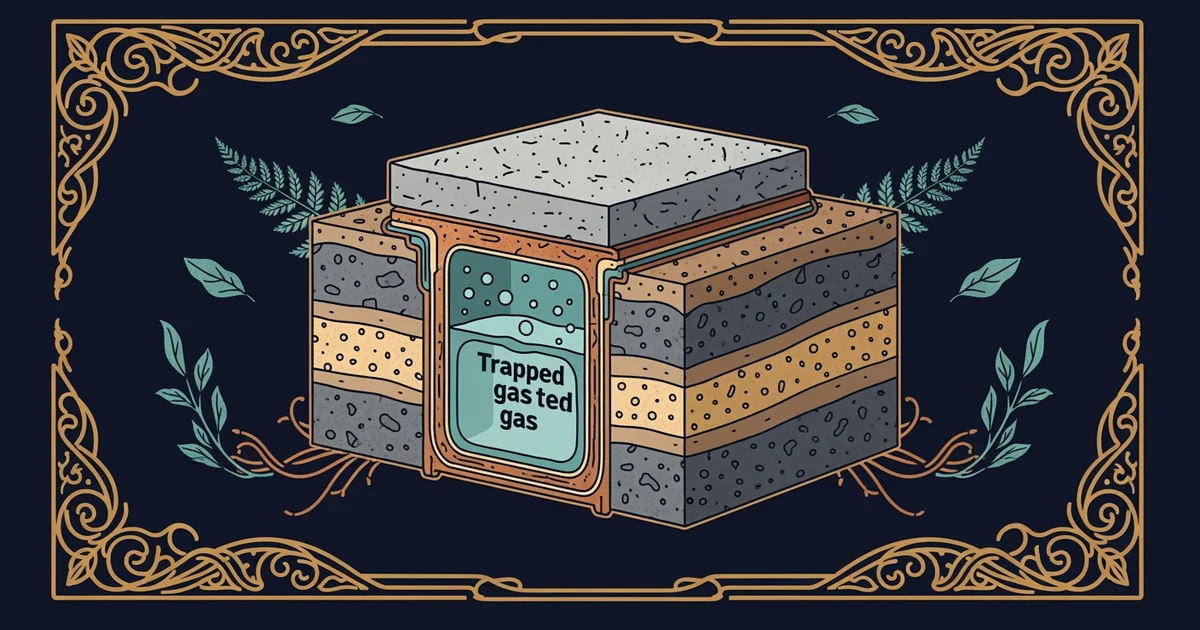
How Atmospheric Gases Trap Heat
When sunlight reaches the Earth, the surface absorbs this energy and warms up significantly. The Earth then tries to release this heat back toward space as invisible infrared radiation. However, certain gases in our atmosphere act like a thermal blanket draped over the entire globe. These molecules, known as greenhouse gases, absorb the outgoing heat and radiate it back down toward the surface. Without this natural process, the average temperature on Earth would be far below freezing, making life as we know it impossible to sustain across the continents.
Key term: Greenhouse gases — specific molecules in the atmosphere that trap heat by absorbing infrared radiation reflected from the Earth's surface.
Carbon dioxide serves as the most important contributor to this process because of its sheer volume and persistence. While other gases also trap heat, human activities have significantly increased the concentration of carbon dioxide in the air. This extra gas thickens the atmospheric blanket, which forces the planet to hold onto more heat than it did in the past. Think of this like adding an extra layer of heavy wool to your bed during a winter night. You feel much warmer because your body heat stays trapped near your skin instead of escaping into the cold room air.
The Relationship Between Carbon and Warming
As we continue to burn fossil fuels for electricity and transportation, we release vast amounts of stored carbon into the atmosphere. This release disrupts the natural balance that has kept our climate stable for thousands of years. The relationship between carbon levels and global temperatures is direct and predictable based on the laws of physics. More carbon dioxide means more heat remains trapped near the surface, which leads to a gradual rise in average global temperatures over time. Scientists track this change by measuring the concentration of these gases and comparing them to historical data points.
We can summarize how different factors contribute to the current warming trend by looking at the primary drivers of this atmospheric change:
- Industrial burning of coal and oil releases massive amounts of carbon that were once buried deep underground, which adds new heat-trapping molecules to the air.
- Deforestation reduces the number of trees available to naturally absorb carbon dioxide, meaning more of the gas remains in the atmosphere to contribute to warming.
- Modern agricultural practices often release other gases like methane, which trap heat even more efficiently than carbon dioxide does over shorter periods of time.
These factors work together to create a cumulative effect that changes the way our planet manages energy. The more we understand this process, the clearer it becomes that managing our carbon footprint is essential for climate stability. We must consider how our daily energy choices contribute to the total amount of gas trapped in our atmosphere. Every action that reduces carbon emissions acts as a way to thin that heavy blanket, allowing the Earth to cool down more effectively. This journey toward understanding carbon capture begins with recognizing how these invisible gases dictate the temperature of our entire world.
The greenhouse effect is a natural process that sustains life, but human activity has intensified it by adding excess carbon dioxide to our atmosphere.
Now that we understand how heat gets trapped, we will explore how we can store carbon deep underground to prevent further warming.