
Developing Savory Seasonings
When a busy restaurant kitchen discards hundreds of onion skins after a dinner rush, they are throwing away a concentrated source of umami flavor. This waste represents a missed opportunity to transform humble scraps into high-value culinary products. In this station, we explore how to process these overlooked materials into shelf-stable seasonings that rival expensive store-bought alternatives. By understanding the chemical properties of dried vegetable skins, you can unlock layers of deep, savory flavor hidden in the trash.
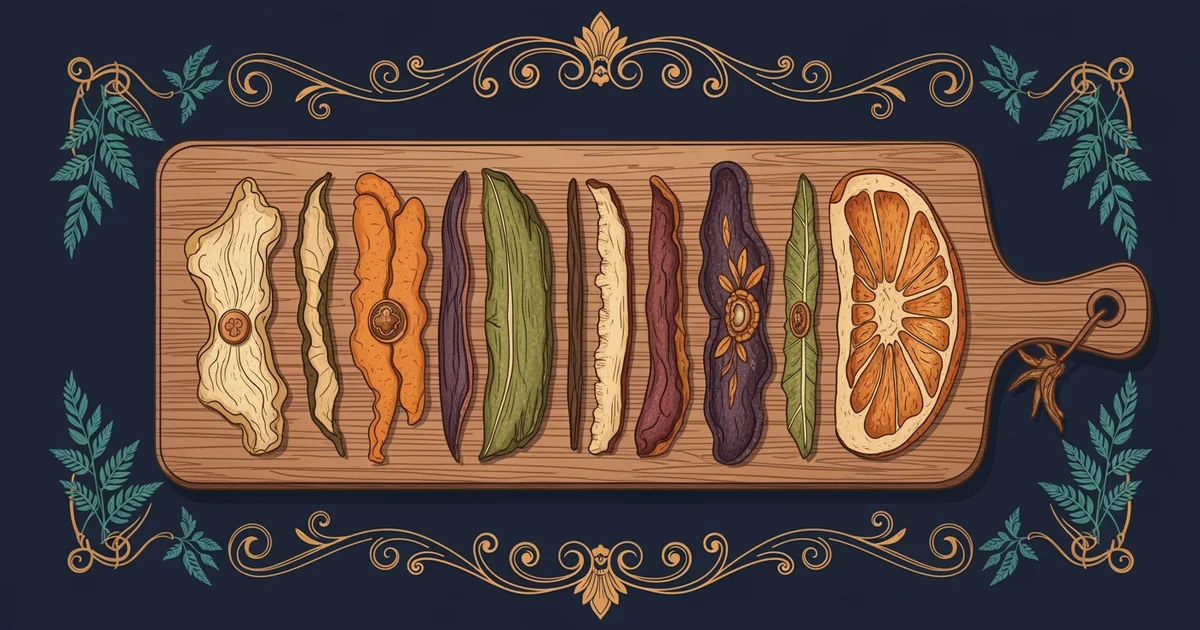
Transforming Scraps into Seasoning
To begin the process of creating a savory seasoning, you must first master the art of proper dehydration. Vegetable skins like those from onions and garlic contain high levels of sulfur compounds that provide their signature pungent aroma. When you dry these skins slowly, you preserve these volatile aromatic molecules instead of burning them off. Think of this process like a slow-motion investment portfolio where you carefully manage your assets to gain the highest interest over time. If you dry the skins too quickly at high heat, you lose the depth of flavor that makes the final product unique. Once the skins are brittle enough to snap between your fingers, they are ready for the next stage of development.
After achieving a consistent, crispy texture, the next step involves milling the dried skins into a fine powder. This stage is where you balance the intensity of the onion with the sharp bite of garlic to create a harmonious blend. You should experiment with different ratios to find a flavor profile that complements your specific culinary goals.
Key term: Umami — the savory, meaty fifth taste profile that enhances the overall depth and complexity of a dish.
This is the application of flavor extraction from Station 9, where we focused on microbial stability through moisture reduction. By grinding the skins into a uniform powder, you increase the surface area available for seasoning your food. This allows the savory notes to disperse quickly when you add the powder to soups or sauces.
Mastering the Signature Blend
Creating a signature blend requires a disciplined approach to ingredient ratios and storage conditions. You must ensure that your final product remains protected from moisture to prevent clumping and flavor degradation. The following table outlines the ideal preparation steps for developing your own unique seasoning blends using various vegetable scraps.
| Ingredient | Drying Temperature | Processing Method | Primary Flavor Note |
|---|---|---|---|
| Onion Skins | 135 degrees F | Fine mill powder | Sweet and savory |
| Garlic Skins | 120 degrees F | Coarse grind | Sharp and pungent |
| Leek Tops | 140 degrees F | Pulse in blender | Mild onion finish |
Following these steps ensures that each component contributes effectively to the final mixture. You can experiment with these ratios to create custom blends that reflect your personal culinary style while minimizing waste. Remember that the quality of your base material directly impacts the potency of your final seasoning powder.
- Collect clean vegetable skins immediately after preparation to prevent contamination.
- Spread the skins in a single layer on a drying rack for even airflow.
- Dehydrate the skins until they reach a moisture content below ten percent.
- Pulse the dried material in a clean coffee grinder until you reach your desired consistency.
- Store the finished powder in an airtight glass jar away from direct sunlight.
These steps create a reliable, repeatable process for turning kitchen waste into a pantry staple. By strictly following this sequence, you maintain the highest quality standards for every batch you produce.
Transforming discarded vegetable skins into potent seasonings relies on precise dehydration and careful blending to concentrate natural savory flavor compounds.
But this model of flavor extraction faces a major challenge when high humidity levels interfere with the shelf stability of the final powder.