
Defining Upcycled Food Ingredients
Imagine throwing away a perfectly good sandwich just because the crusts were slightly uneven. Most kitchens treat food scraps like trash, but these items actually hold untapped potential for creative cooks. By viewing discarded items as raw materials, you can change your entire approach to the modern kitchen. This shift in perspective turns a burden into a benefit for your pantry and the planet.
Understanding the Value of Food Recovery
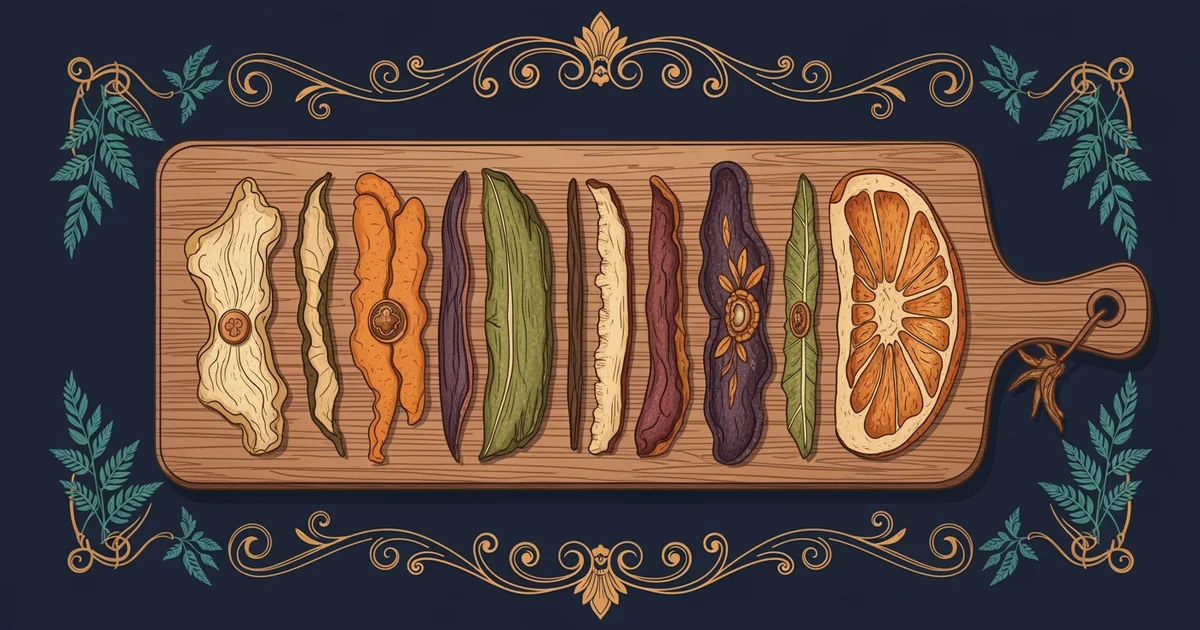
When we talk about upcycled ingredients, we refer to food products that were once destined for a landfill but are now repurposed into new culinary items. Think of these ingredients like a puzzle piece that was left in the box but fits perfectly into a new design. Many items, such as vegetable peels, fruit skins, or spent grains, contain nutrients and flavors that often get discarded during standard prep. By capturing these elements before they reach the bin, you reduce the overall environmental footprint of your cooking. This practice is not just about saving money, as it also challenges you to become a more resourceful and efficient chef in your own space.
Key term: Upcycled ingredients — food components salvaged from the waste stream that are processed into new, high-value culinary products.
Many people mistakenly assume that food scraps are inherently low quality or unsafe for human consumption. In reality, the term waste often describes items that are simply overlooked or deemed aesthetically imperfect by large-scale industry standards. For instance, a bruised apple might not look perfect on a shelf, but its sugar content remains ideal for creating a concentrated fruit syrup. When you learn to identify these hidden assets, you gain access to a wider variety of textures and flavors. This process requires a shift in how you categorize food, moving away from labels like trash and toward categories like raw material.
The Environmental Impact of Culinary Choices
Reducing food waste serves as a powerful tool for lowering the carbon emissions associated with global food production. Every time you throw away food, you also waste the water, energy, and labor that went into growing that item. By incorporating these materials back into your cooking, you effectively double the value of the resources used to produce them in the first place. Consider the following common items that often end up in the compost bin despite their potential:
- Vegetable trimmings like onion skins or carrot tops provide deep, savory bases for homemade vegetable stocks.
- Fruit pits and cores can be boiled with sugar to create aromatic jellies or unique cocktail infusions.
- Stale bread remnants can be toasted and ground into fine crumbs for thickening soups or creating crunchy crusts.
These simple actions transform what would be a negative environmental impact into a positive culinary outcome. When you choose to use these parts, you are participating in a circular food economy that prioritizes efficiency and respect for natural ingredients. This systematic approach helps minimize the pressure on agricultural systems that struggle to meet rising demand. By making small changes in how you handle ingredients, you contribute to a more sustainable future for everyone.
| Ingredient Type | Common Disposal | Upcycled Potential |
|---|---|---|
| Carrot Tops | Landfill | Pesto or Chimichurri |
| Citrus Peels | Trash | Infused Oils or Zest |
| Spent Grains | Compost | Flour or Crackers |
This table illustrates how items typically viewed as waste can serve as functional building blocks in your kitchen. Learning to see these opportunities will allow you to innovate while reducing your waste production. You will find that these recovered ingredients often provide flavors that are more intense than the primary parts themselves. As you master these techniques, you will develop a deeper understanding of how to maximize the utility of every single item you bring into your home kitchen.
Upcycled ingredients transform discarded culinary byproducts into valuable resources that reduce waste and enhance the depth of your cooking.
Now that you understand the core principles, we will explore the practical methods for sourcing these raw food byproducts from your local community.