
Sourcing Raw Food Byproducts
Imagine staring at a pile of carrot tops and onion skins after a busy dinner prep. Most cooks view these items as trash destined for the compost bin or the local landfill. However, these discarded scraps represent a hidden treasure chest of flavor and nutrition for the creative chef. By learning to identify and collect these materials, you can turn kitchen waste into valuable culinary assets. This process of sourcing raw food byproducts serves as the essential first step in modern upcycling. Understanding what to save and how to store it will change your entire approach to cooking.
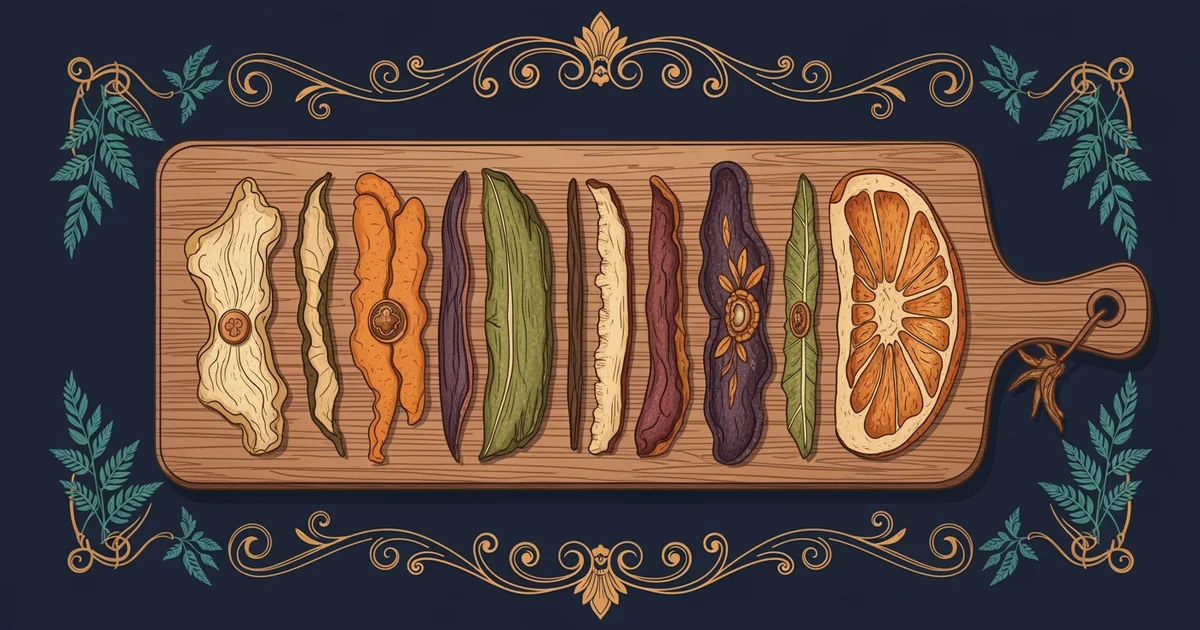
Identifying High-Value Kitchen Byproducts
Many common kitchen items possess untapped potential that often goes ignored during daily meal preparation routines. Vegetable trimmings, such as the ends of celery stalks or woody asparagus stems, contain concentrated flavors that enhance stocks and soups. Fruit peels, especially from organic citrus or apples, offer intense aromatic oils and pectin that improve jams or infused vinegars. These items are not mere garbage because they carry the structural integrity and chemical compounds needed for secondary processing. When you treat these scraps like primary ingredients, you stop viewing them as waste and start seeing them as raw materials.
Key term: Upcycling — the process of transforming discarded items or waste materials into new products of higher quality or value.
Think of your kitchen scraps as a savings account that earns interest through clever culinary techniques. Just as a bank keeps your money safe until you need to make a purchase, your freezer keeps these byproducts fresh until you have enough to process. If you throw away a single carrot peel, you lose pennies of value, but saving hundreds of peels creates a significant stock base. This economic mindset helps you recognize that every scrap has a specific role in your future recipe development.
Categorizing Scraps for Secondary Processing
Properly managing these materials requires a system to keep your kitchen organized and your ingredients safe for later use. You should sort your byproducts based on their moisture content and their intended final application in your dishes. High-moisture items like fruit pulp require immediate drying or freezing to prevent spoilage from natural bacteria growth. Drier items like herb stems or vegetable skins can be stored in breathable containers to maintain their quality over several days. Establishing these simple habits ensures that your raw materials remain in peak condition for your next big cooking project.
To help you organize your collection efforts, consider these three primary categories for common byproducts:
- Vegetable aromatics include onion skins, carrot peels, and celery ends that provide a deep base of flavor for stocks.
- Fruit pulps consist of the fiber-rich leftovers from juicing that add texture and natural sweetness to baked goods or smoothies.
- Herb stems provide concentrated essential oils that infuse oils, vinegars, or butter with vibrant flavors without wasting the delicate leaves.
Maintaining a clean separation between these groups prevents cross-contamination and ensures that your final products maintain a consistent flavor profile. You must always ensure that your scraps are washed thoroughly to remove dirt before you place them into your collection containers. If you store dirty scraps, you risk introducing harmful microbes that could ruin your entire batch of upcycled ingredients. Consistent cleaning and sorting transform these humble scraps into reliable building blocks for your culinary creations.
Transforming discarded food scraps into valuable ingredients requires consistent collection, proper cleaning, and organized storage to ensure safety and quality.
Now that you can identify and gather these byproducts, we will explore how to extract the hidden nutritional benefits from your collection.