
Submersion Techniques
Imagine your favorite jar of pickles sitting on the counter, but the top layer of vegetables has turned into a fuzzy, grey science experiment. This common kitchen disaster happens because oxygen remains trapped near the surface, inviting unwanted mold to grow on your food. To master the art of fermentation, you must ensure that your ingredients remain fully covered by the salty liquid. Keeping vegetables beneath the surface creates an environment where beneficial bacteria thrive while harmful invaders starve from a lack of air. By using simple tools to apply constant downward pressure, you protect your culinary creations from spoilage and ensure a perfect, tangy result every single time.
The Mechanics of Proper Submersion
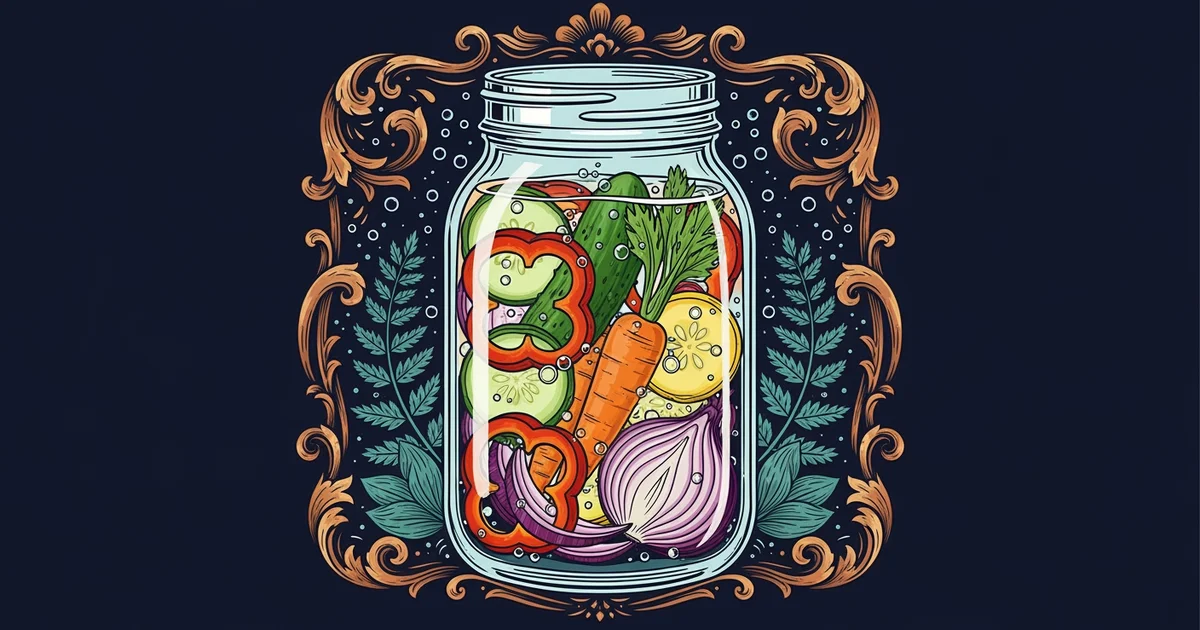
When you submerge vegetables in a brine, you create a protective barrier that separates your ingredients from the oxygen in the room. This process works much like an insurance policy for your food, where the brine acts as the premium you pay to guarantee a safe outcome. If a piece of cabbage or carrot floats above the surface, it becomes a bridge for oxygen to enter the liquid. Once air touches the exposed food, the natural balance of your ferment shifts, allowing aerobic mold to colonize the top layer. You must use physical weight to counteract the natural buoyancy of fresh produce, which often tries to rise to the top of the jar.
Key term: Brine — the salt-water solution used in fermentation to draw out moisture from vegetables and create a safe environment for helpful microbes.
Effective submersion requires selecting the right materials that will not react with the acidic liquid inside your jar. You should avoid metals like aluminum or copper, as they can leach unwanted flavors or chemicals into your ferment over time. Instead, choose inert materials like glass weights, food-grade silicone, or even a clean cabbage leaf tucked under the jar shoulder. The goal is to apply enough force to keep the solids below the waterline without crushing the vegetables into a soft, unappealing mush. You can test your setup by gently pressing down on the weights to see if the brine rises above the solid pieces of food.
Tools for Reliable Weighting Systems
To keep your ferments safe, you can choose from several reliable methods that ensure consistent pressure throughout the entire curing cycle. Each method offers different benefits depending on the shape of your container and the type of vegetables you are processing. Consider the following options for your next project:
- Glass fermentation weights provide a heavy, non-porous surface that sits directly on top of your produce to push everything down into the liquid.
- Food-grade silicone discs offer a flexible solution that fits snugly against the walls of the jar to prevent small vegetable pieces from floating past the edges.
- Ceramic or stoneware followers act as a solid barrier that covers the entire surface area of the jar, which is ideal for wide-mouth crocks or large vessels.
Choosing the right tool depends on the diameter of your container and how much space you have available at the top of the jar. If you are using a standard mason jar, a glass weight is often the most efficient choice because it is easy to clean and sanitize. Regardless of the tool you select, you must ensure it remains completely submerged in the liquid to prevent it from becoming a surface for mold growth. Check your jars daily during the first week to ensure the weights have not shifted due to the release of carbon dioxide bubbles.
| Weight Type | Material | Best For |
|---|---|---|
| Glass | Silica | Mason jars |
| Silicone | Polymer | Tight spaces |
| Ceramic | Clay | Large crocks |
Maintaining this physical barrier is the most critical step in the entire fermentation workflow. If you notice any debris floating above the brine, remove it immediately to protect the rest of your batch. By staying vigilant and using these simple mechanical aids, you can confidently produce shelf-stable foods that taste great and remain free from harmful contamination.
Applying consistent physical pressure to keep ingredients beneath the brine prevents oxygen exposure and stops surface mold from ruining your fermentation projects.
But what does it look like in practice when you prepare your first batch of vegetables?