
Vessel Selection and Mechanics
Imagine you are trying to trap a wild animal in a secure, sturdy cage. If the cage has holes, the animal escapes and your hard work is wasted. Fermentation relies on this same principle of containment to keep your cultures safe and productive. When you choose the wrong vessel, you risk contamination or failed batches that lose their flavor. Picking the right tool is the first step toward successful results in your kitchen laboratory.
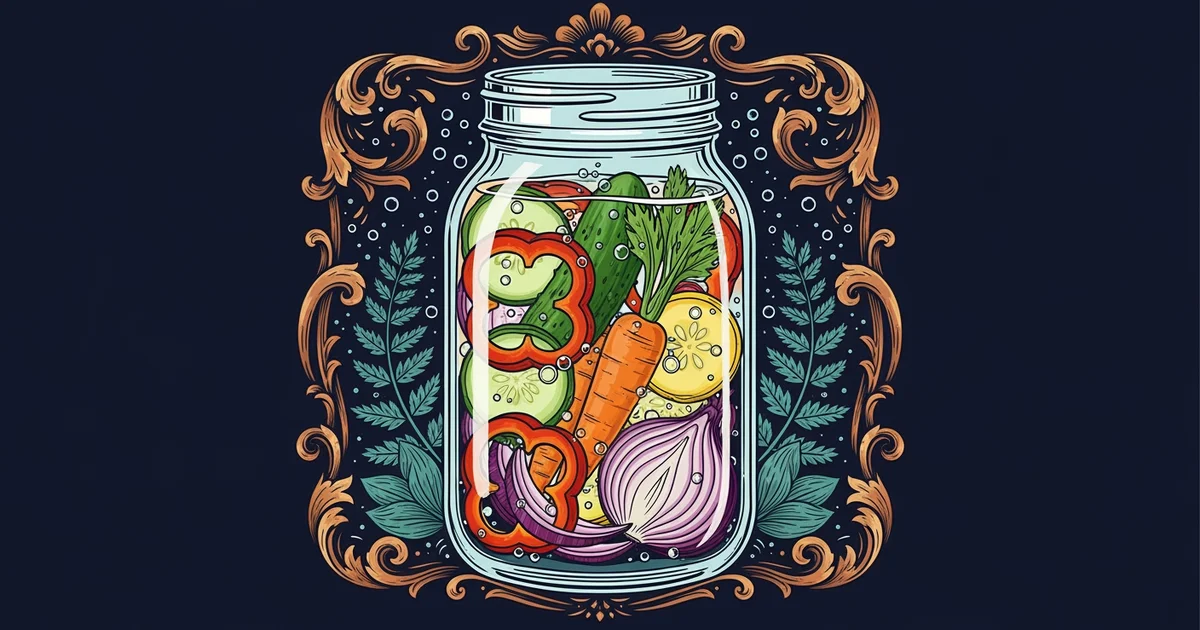
Understanding Vessel Materials and Seals
Selecting a vessel requires careful thought about how materials interact with your ingredients over time. Glass remains the standard choice because it is non-reactive and easy to clean thoroughly. Plastic can scratch, creating tiny homes for unwanted bacteria that might ruin your delicate ferment. Stainless steel is a durable option, but it must be food-grade to prevent metallic flavors from leaching into your food. You should always avoid reactive metals like aluminum or copper, as acidic environments will corrode them quickly. Think of your vessel like a bank vault for your microbes; it must be secure enough to protect the contents from outside interference while staying neutral enough not to alter the value of the deposit inside.
Key term: Anaerobic — an environment completely lacking oxygen, which is essential for the growth of specific beneficial bacteria during fermentation.
Properly sealing your vessel ensures that the environment stays truly anaerobic throughout the entire process. If oxygen enters the container, you invite mold or yeast that thrive in air, which will spoil your project. A loose lid might allow gas to escape, but it also provides a doorway for unwanted invaders. You need a system that releases built-up pressure while preventing new air from entering the space. This balance is critical for protecting the integrity of your culinary masterpiece from start to finish.
Mechanics of Pressure and Weight
Maintaining the correct pressure requires specific mechanical aids to keep your ingredients submerged and safe. When vegetables ferment, they naturally release juices that should cover the solid pieces completely. If pieces float to the surface, they encounter oxygen and begin to rot instead of fermenting properly. Using a glass or ceramic weight keeps everything pushed down beneath the brine level. This simple physical barrier acts like a dam, holding back the tide of oxygen and ensuring your ingredients stay submerged in the protective liquid layer.
To manage the gas buildup safely, you can use specialized tools that handle pressure automatically:
- Airlocks: These devices allow carbon dioxide to bubble out of the jar while preventing outside air from entering the system.
- Fermentation weights: These heavy discs press ingredients down into the brine to ensure they remain fully submerged at all times.
- Silicone lids: These flexible covers feature a one-way valve that lets gas escape without needing a separate water-filled airlock system.
Choosing the right combination of these tools depends on the scale and type of your project. Small jars work well with simple airlocks, while larger crocks might require heavy stone weights to stay stable. Regardless of the size, the goal remains the same: keep the bad air out and the good bacteria in. By mastering these mechanics, you gain total control over the environment where your ingredients transform into something delicious and shelf-stable.
Choosing a non-reactive vessel and a reliable seal ensures that beneficial microbes thrive without interference from oxygen or outside contaminants.
But what does it look like in practice when we manage the actual gas exchange and pressure inside these vessels?
Want this with sources you can check?
Premium Learning Paths for Culinary Arts & Gastronomy are researched against open-access libraries — PubMed, arXiv, government databases, and more — with their distinctive claims cited to real sources and independently checked.
See what Premium includes