
The Chemistry of Preservation
Imagine leaving a fresh head of cabbage on your kitchen counter for three weeks straight. Most people expect rot and foul smells, yet a skilled chef creates a tangy, crunchy masterpiece called sauerkraut using that exact same cabbage. This transformation relies on tiny invisible workers that change the chemistry of your food to keep it safe from harmful decay. By understanding how these microbes alter their environment, you gain the power to turn simple garden vegetables into complex, shelf-stable ingredients that last for months.
The Acidic Shift in Microbial Environments
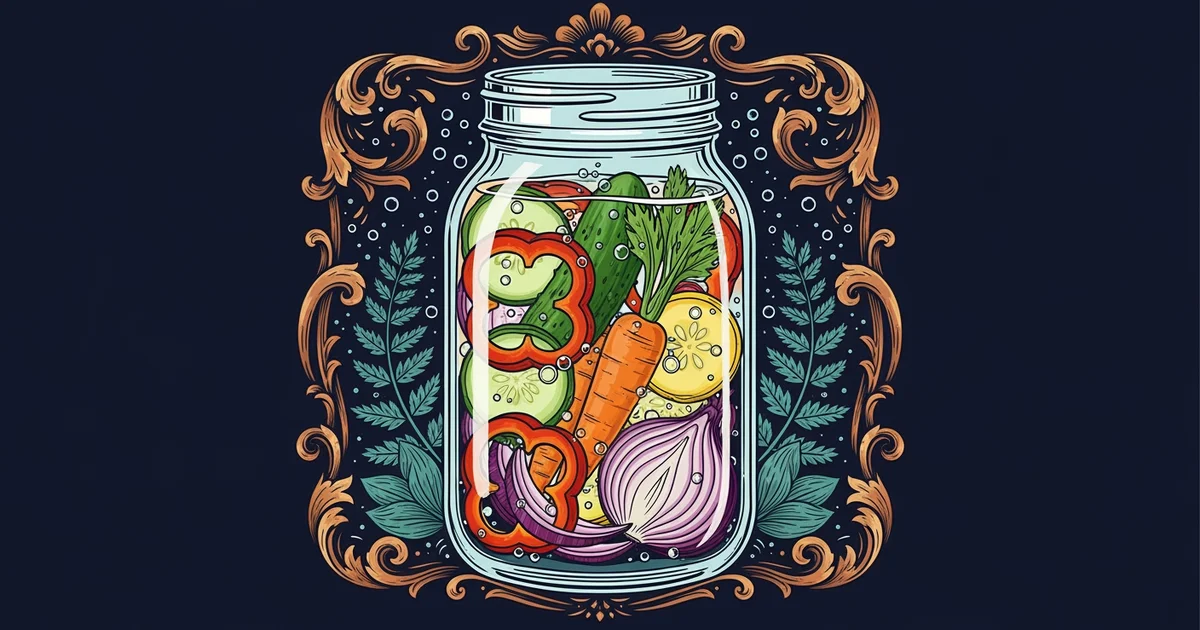
When you submerge vegetables in a salty brine, you create a very specific home for beneficial bacteria to thrive. These tiny organisms consume the natural sugars found inside the plant tissues during their active growth phase. As they eat these sugars, they release a byproduct known as lactic acid into the surrounding liquid environment. This process acts like a natural defense system because most common spoilage bacteria cannot survive in highly acidic conditions. By lowering the pH level of the jar, the beneficial microbes effectively lock out unwanted invaders that would otherwise cause the food to spoil or turn unsafe.
Think of this process like a crowded room at a party where the air conditioning suddenly breaks down. The beneficial bacteria are like guests who enjoy the heat and keep dancing, while the unwanted guests are like people who immediately leave because they feel too uncomfortable. As the room gets hotter, the unwanted guests exit, leaving more space and resources for the dancers to thrive. This shift creates a stable environment where only the helpful microbes remain, ensuring that your food stays preserved through the natural production of acidity.
Chemical Changes and Preservation Cycles
Beyond just creating acid, the fermentation process changes the actual structure of the food you are preparing. Enzymes released by these microbes break down complex plant fibers into simpler, more digestible components that have deeper flavors. This chemical breakdown is why fermented foods often taste much more complex than their raw counterparts. You are essentially letting the microbes perform a slow, controlled digestion of the ingredients before you even take your first bite. This ensures that the final product is not only safer to eat but also significantly more flavorful.
To manage this chemical transformation, you must balance your ingredients carefully to support the right microbial growth. The following elements are essential for maintaining a healthy and safe fermentation cycle:
- Salt concentrations must remain precise, as this mineral draws moisture out of the vegetables to create the necessary brine while simultaneously suppressing dangerous pathogens that might compete with the good bacteria.
- Anaerobic conditions require that you keep the food fully submerged under the liquid, because oxygen exposure allows mold to grow and ruins the delicate chemical balance you have worked so hard to establish.
- Temperature control dictates the speed of the chemical reactions, because warmer rooms encourage faster microbial activity while cooler spaces allow the flavors to develop slowly over a longer period.
Key term: Anaerobic — a biological environment that completely lacks oxygen, which is necessary for the specific types of fermentation that produce lactic acid.
Maintaining these conditions ensures that the beneficial bacteria dominate the jar throughout the entire preservation cycle. If you provide the right environment, the microbes handle the heavy lifting of preservation for you. This partnership between the chef and the invisible world is the foundation of all successful fermentation techniques. You are essentially acting as a manager for a tiny, microscopic factory that produces flavor and safety as its primary output. By monitoring the environment, you ensure that the factory continues to run smoothly without any interruptions or unwanted contamination from the outside world.
Fermentation preserves food by encouraging beneficial microbes to produce lactic acid, which creates an environment that prevents spoilage while enhancing flavor.
Now that you understand how acidity protects your ferments, we will explore the specific safety protocols required to handle these active cultures without introducing harmful contaminants.