
Fruit Development Science
Imagine biting into a crisp apple and a soft blackberry, wondering why these two fruits feel so different on your tongue. While we call both items fruit in the kitchen, nature uses a very specific set of rules to build them. These rules depend entirely on how a plant manages its ovary after pollination occurs within the flower. By looking closely at the structure of these plants, we can categorize them based on their physical development patterns. This science helps chefs understand how to best prepare different types of produce for the perfect culinary result.
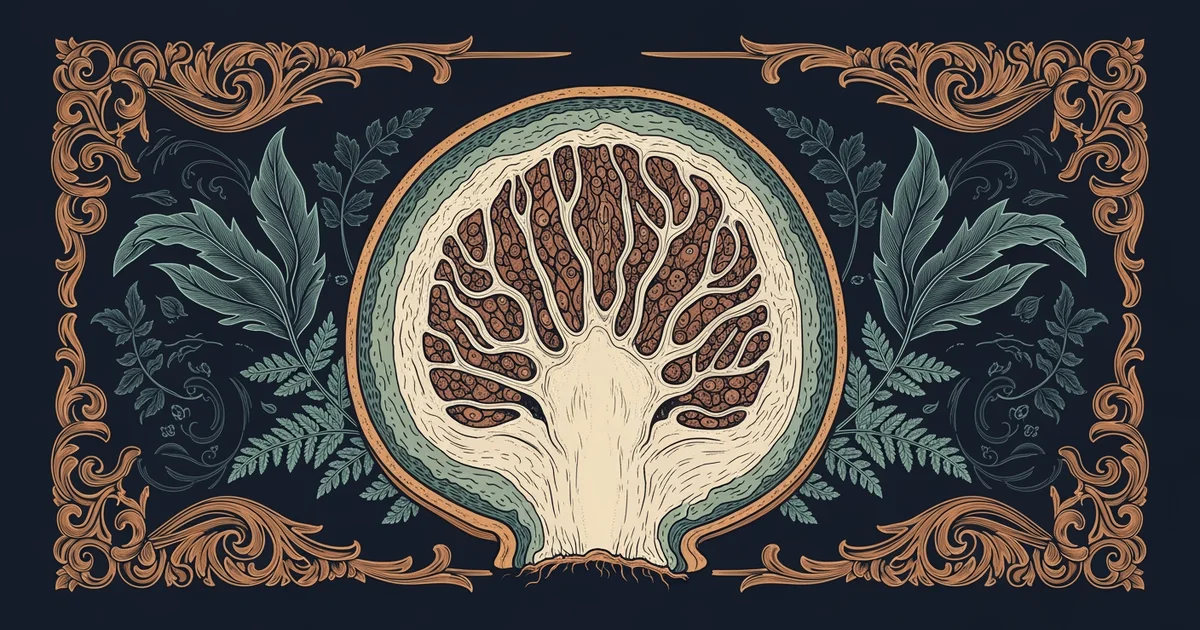
The Botanical Anatomy of Fruit
Every fruit begins its life as a tiny ovary hidden deep inside the flower structure. When pollen reaches the flower, it triggers a transformation that turns the ovary into a protective container. This container holds the seeds of the plant until they are ready to spread into the wild. Think of the fruit like a high-stakes investment portfolio where the plant puts all its resources into one goal. The ovary wall acts as the vault that keeps the valuable seeds safe from harm until maturity. If the plant spends more energy on the outer wall, we get a fleshy fruit that animals love to eat. If the plant focuses on a hard outer shell, we get a dry fruit that protects seeds through harsh winters.
Key term: Ovary — the enlarged base of a flower that matures into a fruit to protect developing seeds.
Botanists classify these fruits based on how many ovaries contribute to the final structure we see. A simple fruit comes from one single ovary, while a complex fruit might involve many ovaries. This distinction is vital for understanding texture because it dictates how water and sugar distribute throughout the fruit. When a single ovary swells with juice, we often find a consistent texture throughout the entire piece. When multiple ovaries fuse together, we might find distinct pockets or varied textures inside the same bite. Understanding this growth pattern allows a cook to predict how a piece of fruit will react when exposed to high heat or cold.
Distinguishing Berries from Drupes
We often confuse culinary terms with scientific definitions, which can lead to mistakes in the kitchen. A true botanical berry is a fleshy fruit produced from a single ovary with multiple seeds inside. Grapes and tomatoes fit this definition perfectly because their entire wall becomes soft and edible. In contrast, a drupe is a fleshy fruit that contains a single hard pit protecting the seed. Peaches and cherries are classic examples of drupes because they wrap a soft exterior around a stony center. Using the wrong classification can ruin a dish if you expect a soft center but hit a hard pit instead.
| Fruit Type | Seed Structure | Typical Texture | Common Culinary Use |
|---|---|---|---|
| Berry | Many seeds | Soft throughout | Purees and sauces |
| Drupe | One hard pit | Firm to soft | Baking and grilling |
| Pome | Central core | Crisp to firm | Slicing and salads |
This table highlights why knowing the internal structure of your fruit is so important for daily prep. When you slice a berry, you rarely worry about hitting a solid barrier that could damage your knife. When you process a drupe, you must account for the pit by using specific cutting techniques. The structural difference between these two categories determines how easily you can process them for jams or salads. If you treat a drupe like a berry, you will likely struggle with the pit during the preparation phase.
Understanding botanical development allows us to predict the texture and internal structure of fruits before we even pick up a knife.
The next Station introduces seed and grain utility, which determines how plant embryos influence the texture of our daily bread.