
Standardizing Milling Grades
When a local bakery in Portland processes heritage grains for their signature sourdough, they must decide exactly how much of the wheat kernel to include in the final flour. This decision determines the texture, flavor, and nutritional profile of every loaf that comes out of their oven. This process of isolating parts of the grain is what professionals call milling extraction. Understanding these rates is essential for any baker who wants to control their final product quality and consistency. We categorize flour based on how much of the original grain remains after the mechanical milling process is complete.
Understanding Flour Extraction Rates
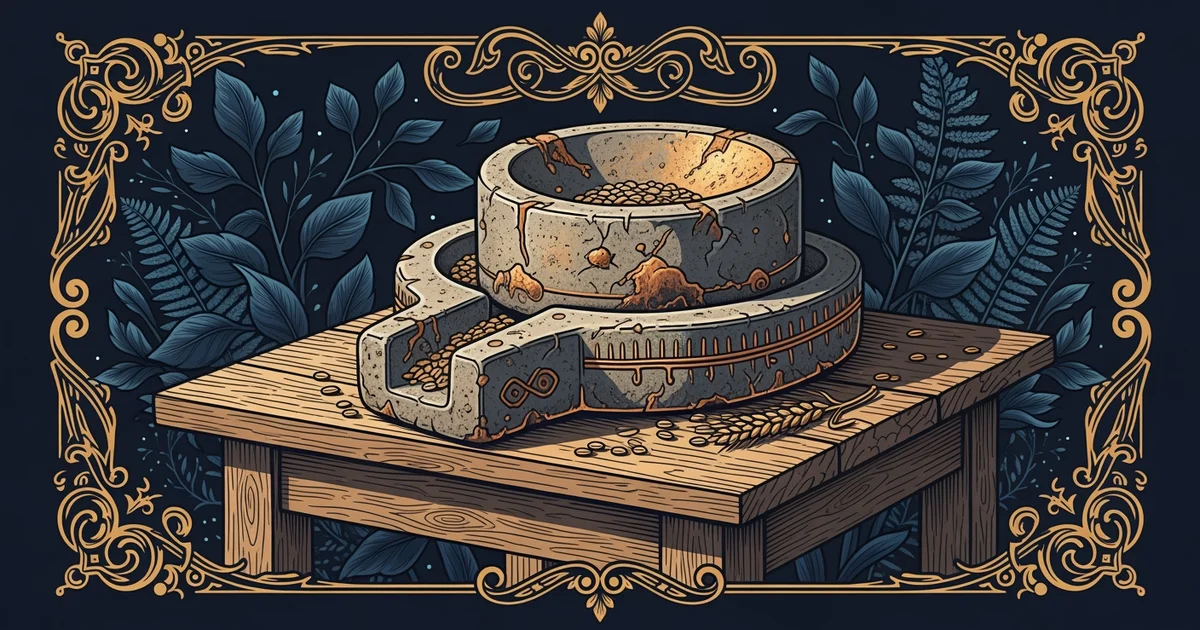
When we talk about extraction rates, we are measuring the percentage of the total grain kernel that ends up in the finished flour. If you start with one hundred pounds of wheat and produce eighty pounds of flour, your extraction rate is eighty percent. This process is very similar to how a jeweler sorts raw stones by size and clarity. The miller uses heavy steel rollers to break the grain into smaller pieces before using sifters to separate those pieces. The bran and germ are often removed to create a lighter product that has a longer shelf life. If you leave these parts inside, you are creating a much denser and more nutritious flour.
Key term: Extraction rate — the percentage of the original grain kernel that remains in the final flour product after the milling and sifting process.
High extraction flour contains more of the outer layers of the grain, which creates a darker color and a nuttier taste. Low extraction flour, often called white flour, is made mostly from the inner starch core of the grain kernel. This inner core is much easier to work with because it lacks the sharp edges of the bran. Bakers must choose their extraction rate carefully to match the specific needs of their recipes. A delicate pastry needs a low extraction flour while a hearty rustic bread benefits from a higher rate. Consistency in these rates allows a bakery to maintain the exact same flavor profile across every single batch they produce throughout the year.
Categorizing Flour by Composition
Because different parts of the grain react differently to water and heat, we must classify them by their specific components. Whole grain flour uses the entire kernel, including the bran, the germ, and the endosperm. Refined flour removes the bran and germ entirely, leaving only the starchy endosperm behind for the baker to use. This distinction is vital because the oils in the germ can cause flour to go rancid if it is stored for too long. We can summarize the primary differences between these two common types of flour in the following table to help clarify their roles in the kitchen.
| Flour Type | Composition | Texture | Shelf Life |
|---|---|---|---|
| Whole Grain | Full Kernel | Dense | Short |
| Refined | Endosperm | Fine | Long |
| High Extraction | Mostly Kernel | Medium | Medium |
These categories help us understand why professional kitchens manage their inventory with such strict precision. The refined flour acts as a stable base for most commercial operations because it stays fresh for many months. Meanwhile, the whole grain flour is treated like a volatile ingredient that must be used quickly to avoid spoilage. Bakers often blend these types to achieve a specific balance of health benefits and structural integrity. Learning these categories allows the baker to manipulate the crumb structure of their bread with much greater accuracy. By mastering these grades, the baker gains total control over the sensory experience of their final food product. This is the practical application of the milling science we first explored back in Station 1.
Standardizing flour extraction allows bakers to balance the nutritional density of whole grains with the consistent shelf stability of refined starches.
But this model of standardized grading faces a major challenge when small-scale mills try to replicate large-scale industrial consistency.