
Stream Processing
Imagine a busy digital highway where thousands of cars arrive every single second of the day. If you tried to group these cars into massive batches before letting them pass, the entire system would grind to a halt. Modern software systems face this exact problem when they handle live user data that never stops moving. Instead of waiting for a large collection of records to arrive, engineers build systems that process every item as it enters the queue. This approach ensures that information remains fresh and relevant for the end user at all times.
The Mechanics of Continuous Data Flow
When we talk about stream processing, we refer to the continuous ingestion and evaluation of data events. Unlike older methods that store data on a disk to process later, stream processing handles information while it is still in motion. Think of it like a high-speed assembly line in a factory. If a machine detects a faulty part, it kicks it off the line immediately instead of waiting for the entire batch to finish. This speed allows companies to react to events like credit card fraud or website errors in just a few milliseconds.
Key term: Stream processing — the method of computing data continuously as it arrives rather than waiting for a large group to collect.
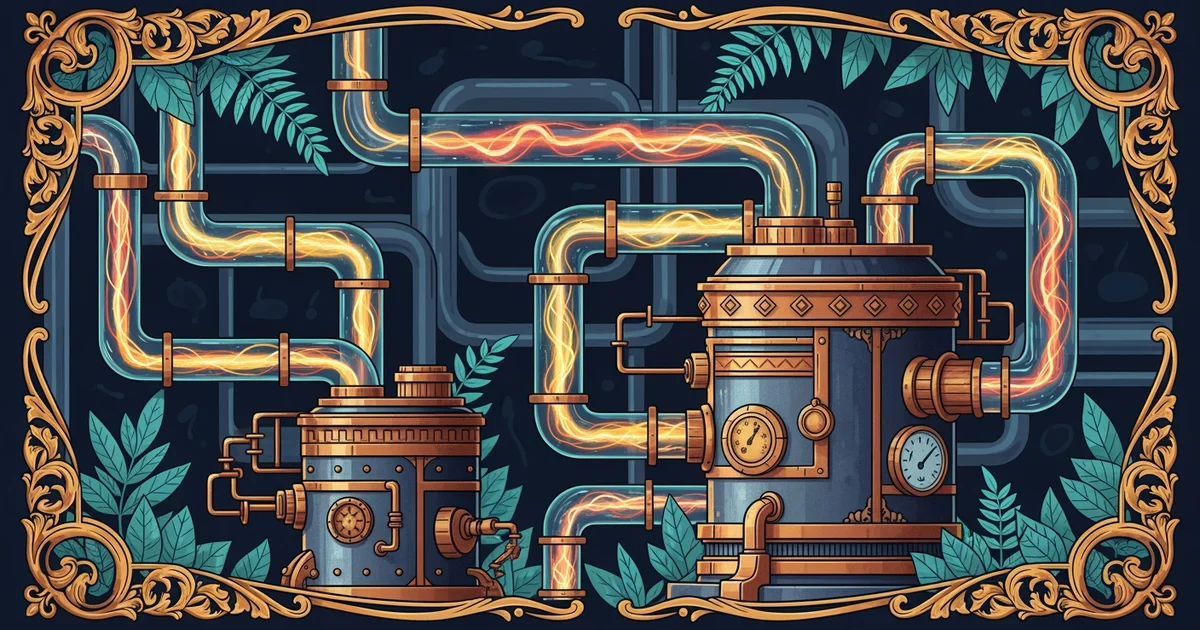
To make this happen, the system needs a reliable way to keep data moving without losing any packets. It uses a series of pipes that connect the source of the data to the final analytical engine. If the flow becomes too heavy, the system must scale up its resources to handle the pressure without breaking. This requires a stable connection between the input source and the processing unit. Without this constant connection, the stream would break and cause significant delays in the overall system performance.
Comparing Real-Time Handling to Traditional Batches
When you compare how these two methods manage tasks, you can see why one is better for speed. Batch processing works like a person who waits until the end of the week to wash all of their laundry at once. It is efficient for large loads but bad if you need a specific shirt right now. Stream processing is like washing each item as soon as you take it off. It requires more energy and constant attention, but it keeps your clothes ready for use at any moment.
| Feature | Batch Processing | Stream Processing |
|---|---|---|
| Timing | Scheduled intervals | Immediate arrival |
| Latency | High delay times | Very low delay |
| Data Size | Large static blocks | Continuous flow |
| Resource | High burst usage | Steady constant use |
This table shows that the choice depends entirely on the needs of the application. If you are calculating monthly payroll, batch processing is perfect because you only need the final total once. If you are tracking the location of a ride-sharing vehicle, you must use stream processing to keep the map updated for the driver and the passenger. You cannot afford to wait for a batch to finish when the car is moving down the street right now.
Identifying Use Cases for Rapid Data
Many modern applications rely on this speed to function correctly in our fast digital world. You can find these systems in many areas where timing determines the success or failure of a service. Consider the following examples where delay is not an option for the developers:
- Financial fraud detection systems monitor every transaction for suspicious patterns and block them before the money actually leaves the account, preventing theft before it completes.
- Social media platforms use stream processing to suggest trending topics by analyzing what millions of users are posting at this exact second across the globe.
- Smart home devices monitor sensors for smoke or water leaks and trigger an emergency alert to your phone before the damage becomes too severe to fix.
These systems must handle massive volume without failing or slowing down during peak hours. By processing each event as a single unit, the software stays lean and responsive. This architecture allows developers to build smarter features that adapt to user behavior in real time rather than reacting to stale data from yesterday.
Stream processing treats data as a continuous flow of events that requires immediate action to ensure the system remains current and useful.
Now that we understand how data flows in real time, how do we organize the complex tasks required to manage these moving parts effectively?
Want this with sources you can check?
Premium Learning Paths for Computer Science & AI are researched against open-access libraries — PubMed, arXiv, government databases, and more — with their distinctive claims cited to real sources and independently checked.
See what Premium includes