
Introduction to Data Pipelines
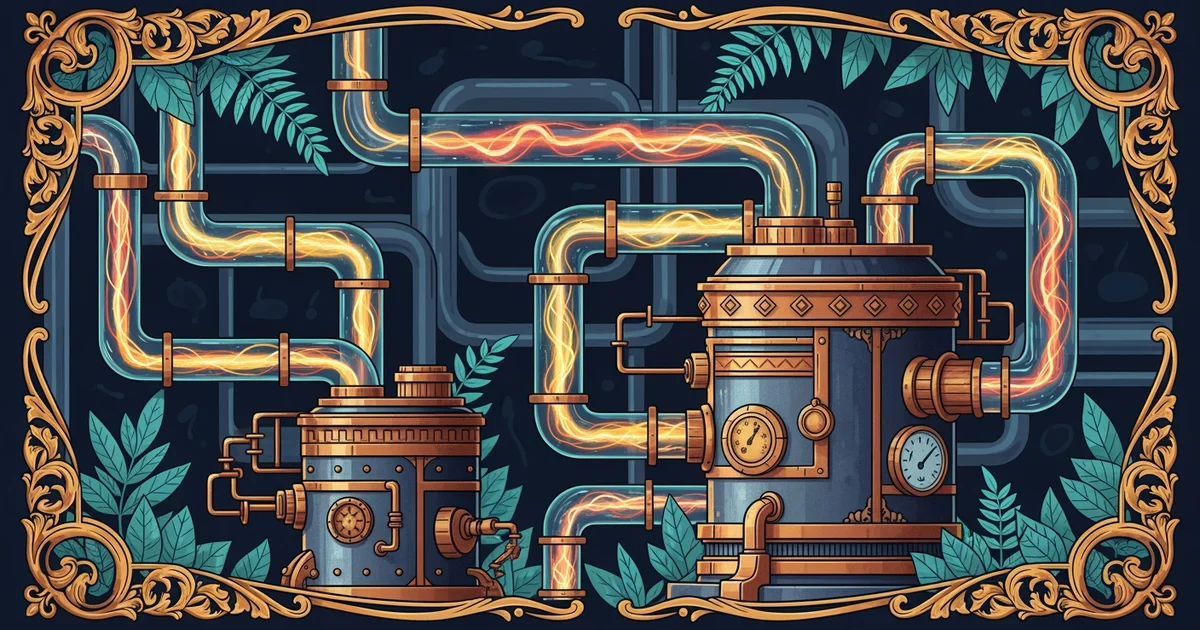
Imagine a massive city water system where thousands of pipes must deliver clean water to every single home. Without a coordinated network of pipes, pumps, and filters, that water would remain trapped in distant reservoirs, leaving the city completely dry and unable to function.
The Function of Data Flow
Modern digital systems operate exactly like that city water network, relying on a data pipeline to move information from where it is created to where it is needed. Businesses generate vast amounts of raw information every second, but this raw data is often messy, disorganized, and scattered across many different storage locations. A pipeline acts as the essential infrastructure that gathers these scattered bits of information into a single, usable stream. By automating the movement of data, companies ensure that their applications always have access to the most recent and accurate facts. Without this constant flow, digital systems would quickly become outdated, slow, and unable to provide the real-time insights that users expect from modern technology.
Key term: Data pipeline — a set of automated processes that move raw data from one system to another while cleaning and organizing it for future use.
Transforming Raw Information into Value
Once the data is moving through the pipes, it must undergo a series of transformations to become useful for decision-making. Raw data often contains errors, missing values, or duplicate entries that can confuse computer programs if left untouched. Engineers build specific stages within the pipeline to filter out this noise and format the information into a standard structure that machines can read easily. Think of this process like a high-speed assembly line in a factory where raw materials are sorted, cleaned, and refined into a finished product. If the assembly line stops or malfunctions, the entire factory output grinds to a halt. This transformation layer is the heart of the pipeline because it turns chaotic, unorganized digital noise into clear, actionable intelligence that supports business goals.
To understand how these systems handle different tasks, consider the following common stages of data processing:
- Extraction involves pulling raw information from various sources like mobile apps or website logs so the system can begin the processing journey.
- Transformation applies logical rules to clean, sort, and reformat the data so that it matches the requirements of the destination database.
- Loading moves the finished, high-quality data into a final storage location where it waits to be used by analysts or automated software.
Infrastructure for Digital Growth
As organizations grow, the volume of information they handle increases, requiring pipelines that can scale without breaking. A well-designed system manages this growth by distributing the workload across multiple servers, ensuring that no single point of failure stops the entire process. This reliability is vital for industries like finance or healthcare, where even a small delay in data processing could result in significant errors or missed opportunities. By investing in robust pipeline architecture, companies create a foundation that supports innovation and allows them to adapt to new challenges. Engineers focus on building these systems to be flexible, allowing them to adjust to changing data formats or increased traffic without needing a complete rebuild.
| Pipeline Stage | Primary Purpose | Resulting State |
|---|---|---|
| Extraction | Collecting raw data | Captured information |
| Transformation | Cleaning and sorting | Refined information |
| Loading | Final storage placement | Ready for analysis |
By following this structured approach, data engineers ensure that every piece of information is handled correctly from the moment it is created until it reaches its final destination. This lifecycle management is what makes modern digital systems feel seamless and reliable to the end user. You will learn how to build these complex flows and manage the entire lifecycle of data as we continue through this path.
Reliable data pipelines act as the essential digital plumbing that moves, cleans, and organizes raw information so that modern systems can function effectively.
By mastering these foundational concepts, you will gain the skills needed to design robust systems that power the next generation of data-driven technology.