
Disturbance and Colonization
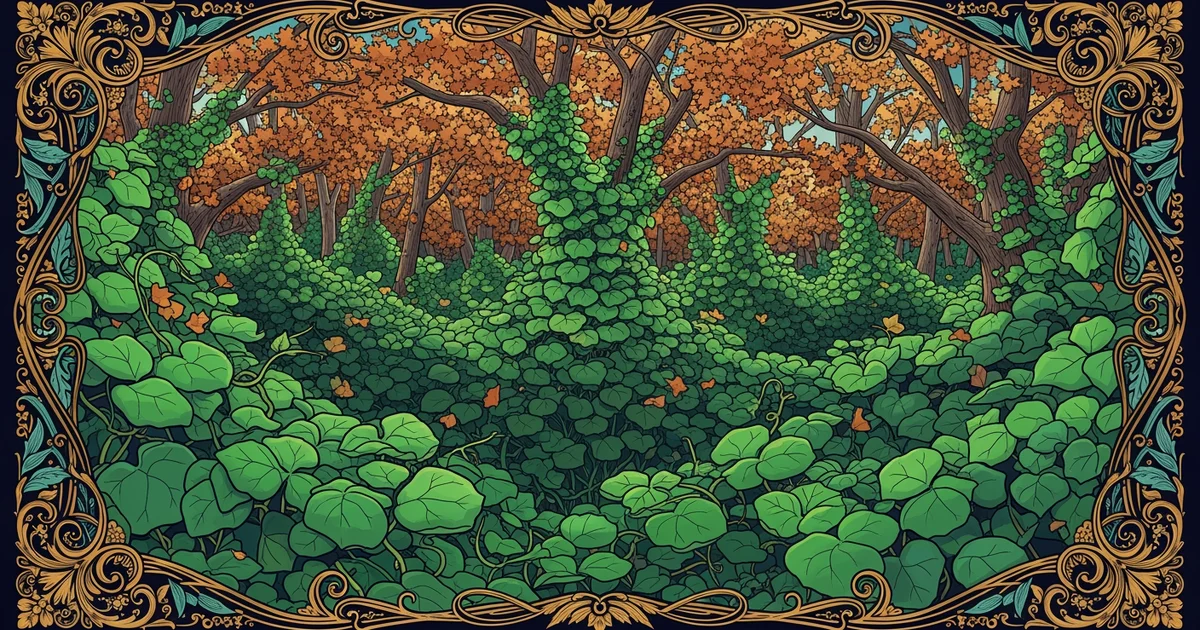
Imagine a pristine forest floor suddenly cleared by a massive storm that knocks down every single tree. This sudden gap in the canopy creates a perfect opening for new life to enter the scene. While native plants might eventually reclaim the space, invasive species often possess the speed to arrive first. These uninvited guests thrive when human activity disrupts the natural order of an environment. By understanding how these gaps form, we can better predict where unwanted species might establish their roots.
The Dynamics of Habitat Disturbance
When we talk about disturbance, we refer to any event that removes biomass or alters the physical structure of a habitat. Natural events like wildfires or floods cause these shifts, but human actions create them much more frequently today. Roads, construction sites, and agricultural fields act as massive, permanent wounds on the landscape that never fully heal. These areas experience constant change, which prevents native plants from ever settling into a stable rhythm. Because the ground remains exposed, invasive species find the perfect conditions to start their rapid growth.
Think of a disturbance like an empty seat at a crowded dinner table during a busy holiday party. If a guest leaves, the seat does not stay empty for long because someone else will quickly claim it. Invasive species act like the guests who are already standing near the table and waiting for any open spot. They carry the necessary seeds or spores to colonize the area before slower native species can react. This competitive advantage allows them to dominate the site while the original residents are still recovering from the initial shock.
Colonization and Resource Availability
Once a disturbance occurs, the area experiences an immediate increase in available resources like sunlight, water, and soil nutrients. Native plants usually have complex relationships with their environment that help them share these resources in a very balanced way. However, invasive species often grow with a strategy that prioritizes fast expansion over long-term stability. They consume these open resources at an incredible rate to fuel their aggressive spread across the damaged landscape. This process of colonization turns a minor patch of bare dirt into a stronghold for non-native invaders.
We can compare the spread of these species to a business trying to capture a new market share. When a competitor leaves a niche, the first company to offer a product wins the loyalty of the customers in that space. Invasive species act exactly like that first company by flooding the area with their own biological output. They do not wait for permission or for the ecosystem to reach a natural balance before they start building their network. Once they establish a foothold, they use their new resources to push back against any native plants that try to return.
| Disturbance Type | Impact Level | Primary Risk Factor |
|---|---|---|
| Road Construction | Very High | Edge Effect Access |
| Wildfire Damage | Moderate | Rapid Seed Spread |
| Urban Expansion | High | Habitat Fragmentation |
Key term: Colonization — the process where a species moves into a new area and establishes a self-sustaining population.
Because these disturbances occur so often near our homes, the risk of invasion increases significantly in developed zones. Every time we clear land for a new building, we create a fresh invitation for these aggressive organisms to move in. If we want to protect our local ecosystems, we must manage the land with a focus on minimizing these permanent gaps. By keeping the landscape intact, we deny invasive species the empty seats they need to take over the table.
Human-driven landscape changes create open niches that allow invasive species to colonize and dominate ecosystems before native plants can recover.
The next Station introduces Trophic Cascade Effects, which determines how these invasive populations change the flow of energy through the entire food web.