
Defining Invasive Species
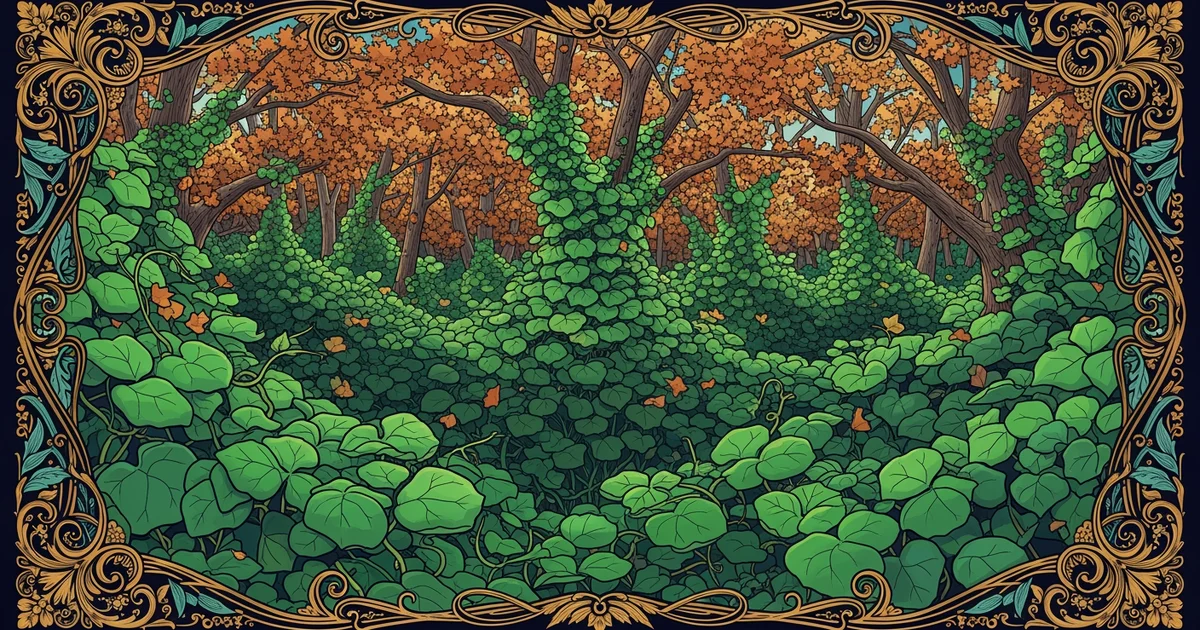
Imagine your local park suddenly filling with a plant that chokes out every other flower. This fast-spreading intruder does not belong there and leaves no room for the native species. You are witnessing a classic example of an ecological shift caused by an uninvited biological guest. These organisms arrive from distant lands and quickly change the environment to suit their own survival needs. Understanding why these species thrive while others struggle is the first step to protecting our natural world.
Distinguishing Non-Native from Invasive
Many people confuse the terms non-native and invasive, but the difference is vital for science. A non-native species is simply any organism living outside its original home range. Most non-native plants or animals exist peacefully without causing major harm to their new surroundings. In contrast, an invasive species is a non-native organism that causes significant environmental or economic damage. The key distinction lies in the negative impact on the local ecosystem. Think of it like a new student joining a classroom. A student who arrives from another state is just new to the school. However, a student who disrupts every lesson and prevents others from learning is acting like an invasive species. This behavior creates a serious imbalance that affects the entire group dynamic.
Key term: Invasive species — a non-native organism that causes ecological or economic harm in a new environment.
Nature usually balances itself through complex relationships between predators, prey, and available resources. When an invasive species enters this system, it often lacks natural predators to keep its population size in check. Without these checks, the population grows at an exponential rate. The invader consumes resources that native species depend on for their daily survival. This competition forces native populations to decline as they lose access to food and shelter. The following table highlights the differences between these two categories of species:
| Feature | Non-Native Species | Invasive Species |
|---|---|---|
| Origin | Outside original range | Outside original range |
| Impact | Generally neutral | Highly destructive |
| Growth | Often limited | Rapid and unchecked |
| Spread | Slow or controlled | Aggressive and wide |
The Mechanism of Ecosystem Disruption
Once an invasive species establishes a firm foothold, it begins to alter the physical structure of the habitat. These changes can be subtle at first, like a change in soil chemistry or water quality. Over time, these shifts make the environment less hospitable for the plants and animals that evolved there. An invasive plant might release chemicals that prevent other seeds from sprouting in the nearby soil. Meanwhile, an invasive animal might hunt native species that have no natural defenses against such a predator. This process is similar to a business owner who aggressively buys out all local competitors in a town. By controlling all the resources, the owner forces the original shops to close down. The town loses its variety and becomes dependent on the single, dominant entity for all its needs.
Understanding these dynamics helps us see why some environments remain resilient while others collapse under pressure. When we identify the characteristics of an invader, we can better predict where damage might occur. This knowledge allows experts to prioritize areas that need protection from future arrivals. By learning these core principles, you will gain the skills to analyze how human activity shapes the health of our planet. This path provides a complete guide to understanding how invasive species reshape our global ecosystems.
The difference between a non-native species and an invasive one depends entirely on the negative impact the organism has on its new home.
By the end of this learning path, you will understand how invasive species move across the globe and what we can do to stop them.