
Future of Evolution
Human activity now shapes the planet with the same force as ancient geological shifts. We are no longer just passive subjects of natural selection but active architects of our biological future.
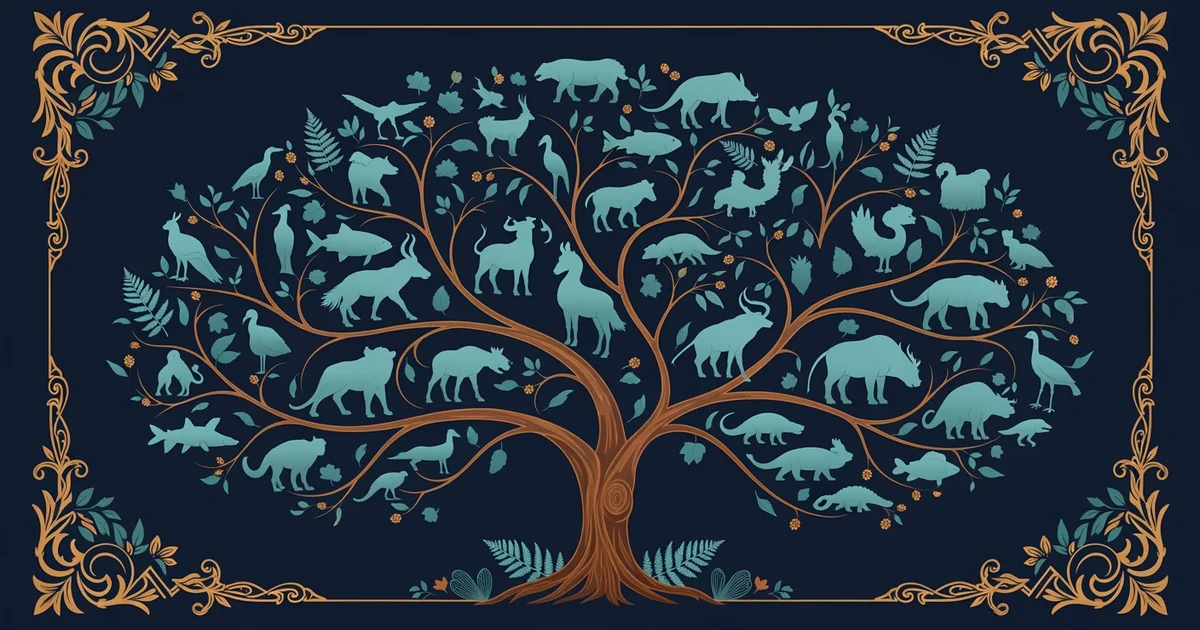
The Human Influence on Natural Selection
Modern evolutionary processes differ from the past because our species creates rapid changes in global habitats. When we build cities or create vast agricultural zones, we force other species to adapt to these new realities. This creates a unique form of pressure where survival depends on navigating artificial landscapes rather than wild ones. Think of this like a company changing its entire business model because the market shifted overnight. The organisms that thrive are those that can quickly learn to exploit the resources we provide. This transition represents a major departure from the slow, steady pace of change seen in the fossil record. By altering the environment, we effectively act as a primary driver of how other life forms will evolve.
Key term: Anthropogenic pressure — the environmental changes caused by human activity that force species to adapt to new, artificial survival conditions.
As we look toward the future, we must consider how these pressures will alter the genetic makeup of various populations. Some species show signs of rapid change in body size or behavior to fit into smaller, fragmented habitats. This trend indicates that evolution is not just a historical process but a living, breathing reality occurring right now. We must understand that our footprint is permanent and influences the genetic trajectory of every organism we touch. Biological trends often reflect the urgency of the environment, and our current era is one of intense, human-driven modification.
Predicting Future Biological Trends
Biological systems will likely follow specific patterns as they continue to respond to the changing world. Many species are currently facing a trade-off between specialization and flexibility in their survival strategies. Those that specialize too much risk extinction if their narrow niche disappears due to human development. Conversely, those that remain flexible can survive in a wider range of conditions. We can observe these trends through several key biological shifts occurring in the wild today:
- Genetic drift in isolated populations occurs when human structures prevent movement, leading to a loss of diversity over time.
- Phenotypic plasticity allows individuals to change their physical traits during their lifetime to survive sudden shifts in local temperature.
- Rapid adaptation in urban environments favors species that can tolerate higher levels of noise and artificial light during the night.
These patterns suggest that future life will favor organisms that can process human-made inputs effectively. The ability to thrive near human settlements is becoming a new kind of fitness. This shift will likely lead to a world where only the most adaptable species remain in our immediate surroundings.
We can compare these survival strategies to how a household manages its budget during a financial crisis. Some families cut all non-essential spending to survive, while others find new ways to earn money to maintain their lifestyle. In nature, species that cannot find new ways to secure energy or shelter will simply vanish. The future of evolution depends on this capacity to manage limited resources in a rapidly changing, human-dominated world.
As we move forward, the interaction between natural selection and human technology will define the path of all life. We have learned that evolution is not a static concept but a dynamic process that responds to every change in the environment. The foundation of life on Earth is its ability to adjust to these shifts, even when those shifts are caused by us. The future remains uncertain, but the mechanisms of change remain consistent with the history of life on this planet.
The future of evolution is defined by the capacity of life to adapt to environmental changes caused by human activity.
Understanding how human influence accelerates biological change provides a clearer picture of how life survives in a shifting world.