
Synthetic Biology Integration
Imagine you are an architect designing a building that can repair its own broken windows overnight. This vision is now becoming reality through the powerful combination of genetic editing and cellular engineering. We no longer just read the code of life to understand our past biological history. We now actively rewrite that code to build new biological machines for our future. This synthesis of engineering and biology allows us to treat the cell like a programmable computer system.
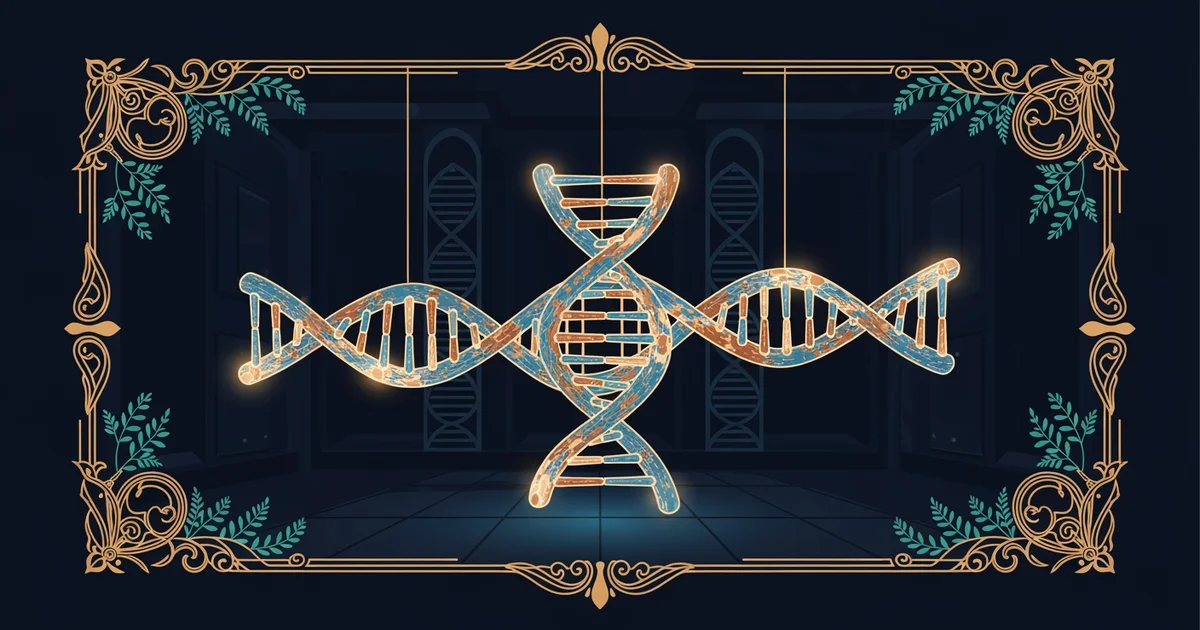
The Engineering of Biological Systems
When we integrate synthetic biology, we treat living cells as if they were hardware components. Scientists identify specific genetic sequences that perform a useful task like producing insulin or breaking down plastic. They then use tools to cut these sequences and paste them into a host organism. This process is similar to how a software developer writes code for a new application. The cell acts as the operating system that runs the instructions we provide. By applying these methods, we can transform simple bacteria into tiny factories that produce life-saving medicine. This approach shifts our focus from merely observing nature to actively participating in its design and future evolution.
Key term: Synthetic biology — a field of science that involves redesigning organisms for useful purposes by engineering them to have new abilities.
This integration creates a new way to solve complex biological problems that were once impossible. We can now design microbes that detect toxins in water and change color to warn us. These engineered systems rely on precise genetic switches that turn specific biological functions on or off. Much like a thermostat controls the heat in your home, these switches maintain balance within the cell. If the environment changes, the cell reacts by producing the necessary proteins to survive or respond. This level of control represents a massive leap forward in how we manage our health and environment.
Designing Projects with Genetic Circuits
To build these systems, we often use genetic circuits to organize how cells process information and execute tasks. A genetic circuit consists of multiple DNA components that work together to perform a logical operation. If a cell senses a specific signal, it triggers a reaction that leads to a desired output. We can think of this like a household budget where you allocate funds based on your monthly income. If your income increases, you might choose to save more or spend on specific goals. Similarly, cells use energy and resources based on the signals they receive from their environment. By designing these circuits, we ensure the cell uses its limited energy for the task we assigned.
We must consider the following factors when we design a new biological project:
- The metabolic load describes how much energy the cell spends on our new task compared to its natural survival needs. If the load is too high, the cell may stop functioning or die because it lacks enough energy for its basic life requirements.
- The signal sensitivity defines how quickly the cell responds to an external trigger like a chemical or light source. High sensitivity allows the cell to react instantly to small changes in its environment, which is vital for early detection systems.
- The stability of the genetic construct ensures that the new instructions remain intact over many generations of cell growth. If the code is not stable, the engineered trait will disappear as the cells divide and replicate over time.
Practical Applications of Integrated Biology
Integrating these concepts allows us to address the foundation question of how we can rewrite the code of life. We are essentially moving toward a future where we can treat diseases by replacing faulty genetic software. By combining CRISPR tools with synthetic circuits, we create a robust platform for modern medicine. We no longer rely on chance to find a cure for a specific genetic condition. Instead, we design a custom solution that targets the root cause of the illness directly. This process requires a deep understanding of both the hardware of the cell and the software of the genome. As we master these tools, we gain the ability to shape the future of our species in ways we never imagined.
Synthetic biology integrates genetic editing and circuit design to turn living cells into programmable systems capable of solving complex global problems.
Synthetic biology provides the framework for us to transition from understanding the code of life to authoring it for the benefit of all humanity.