
Evolutionary Problem Solving
Imagine a bird trying to find the perfect branch for its nest during a storm. If the branch breaks, the bird must find a stronger one or it will lose its home to the wind. This simple challenge shows how nature forces living things to improve their designs over many generations. When environments change, only the animals with the most effective traits survive to pass their genes to their offspring. This process is how nature solves complex engineering problems without using a single blueprint or computer program. We call this process natural selection, and it serves as the ultimate guide for engineers today.
The Mechanism of Iterative Refinement
Nature acts like a patient engineer who tests thousands of prototypes before selecting a final design. Every living creature represents a version of a design that has survived past environmental threats. When a trait provides a clear advantage, that trait becomes more common in the population over time. Think of this process like a company updating its software based on user feedback. Each new version keeps the features that users like while removing the ones that cause bugs or crashes. In the wild, the feedback comes from the environment itself through hunger, predators, or changing weather patterns. If an animal design fails to meet these challenges, it does not persist in the gene pool.
Key term: Natural selection — the process where organisms better adapted to their environment tend to survive and produce more offspring.
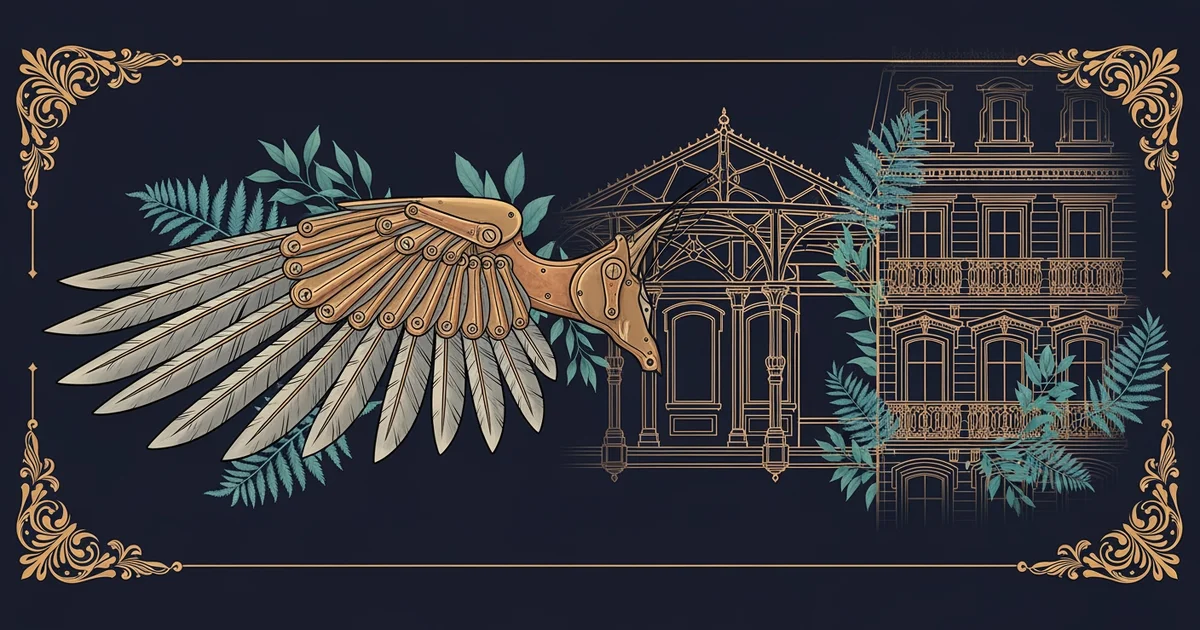
This cycle of trial and error creates highly optimized structures that humans often struggle to replicate. For instance, the shape of a bird wing is the result of millions of years of aerodynamic testing. Every small change in wing length or feather angle was tested against the reality of gravity and air resistance. We can view this as a series of design iterations where nature constantly refines the final product. By studying these results, engineers can bypass the millions of years of testing and jump straight to the most efficient solutions. This saves time and resources while ensuring that our human inventions perform as well as those found in nature.
Environmental Pressure as a Design Constraint
Every design project requires specific constraints to function correctly, and nature uses environmental pressure to set these rules. These pressures act as the boundaries that force a species to evolve into a specific form. A fish living in deep, dark water faces different pressures than a bird living in high, windy mountains. The fish must deal with extreme pressure and low light, while the bird must manage lift and energy efficiency. These constraints force the development of unique features that solve these specific problems. When we look at these creatures, we are essentially looking at a list of solutions to very difficult engineering puzzles.
| Environmental Pressure | Biological Response | Engineering Result |
|---|---|---|
| High Water Pressure | Flexible skeletons | Deep sea submersibles |
| Air Resistance | Aerodynamic feathers | Efficient aircraft wings |
| Thermal Extremes | Specialized insulation | Advanced thermal clothing |
These pressures ensure that no energy is wasted on features that do not help the creature survive. If a feature does not contribute to the survival of the species, it eventually fades away through the process of evolution. This efficiency is exactly what modern engineers want to achieve in their own work. By identifying the specific pressures that shaped a natural design, we can apply those same principles to our own technology. We do not just copy the shape of the wing or the shell; we copy the logic behind why that shape works so well.
Nature teaches us that the best designs are not those that are the most complex or expensive to build. Instead, the best designs are those that solve the most critical problems with the least amount of wasted energy. When we look at a leaf or a bone, we are seeing a structure that has been stripped of all unnecessary parts. This "lean" design philosophy is a major goal for engineers who want to create sustainable and effective products. By mimicking this evolutionary approach, we can move away from wasteful designs and toward solutions that are perfectly suited to their intended purpose. We are not just building tools; we are learning to think like nature thinks when it solves a problem.
Natural selection acts as a continuous testing process that removes inefficient designs and keeps the most effective solutions for survival.
Next, we will explore how these evolved shapes allow us to create advanced materials that mimic the strength and flexibility of biological structures.