
Defining Biological Light
Imagine walking along a dark beach at night where every footstep causes the wet sand to glow with a soft, blue light. This natural phenomenon is not magic, but a fascinating chemical process that living organisms use to interact with their environment.
Understanding Natural Light Production
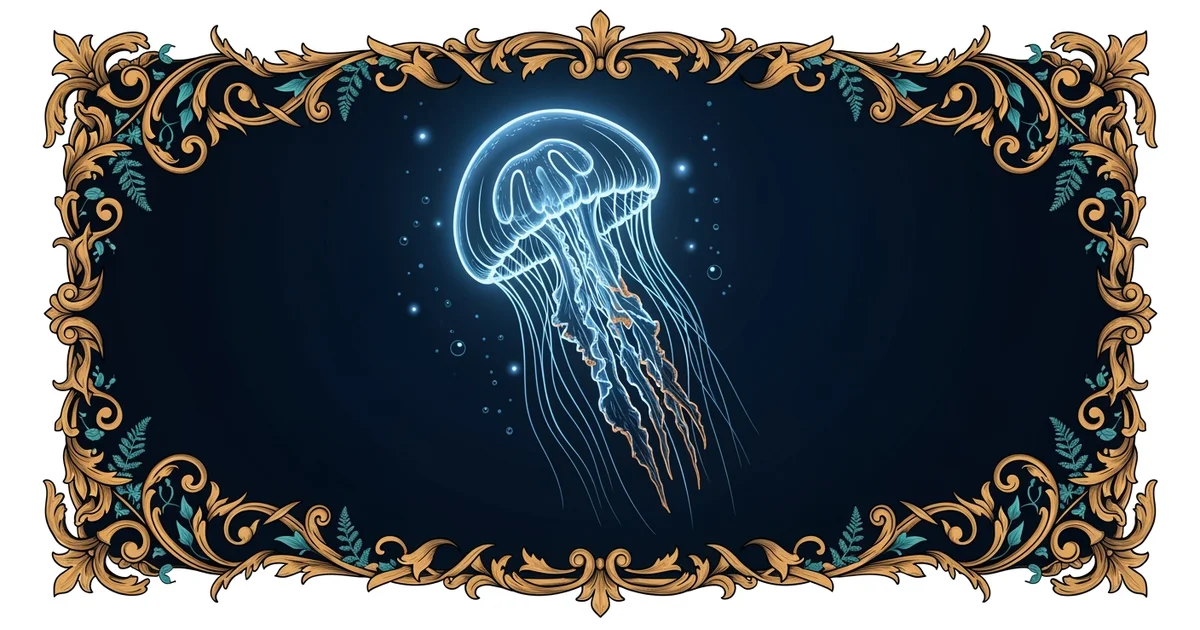
Biological light is a unique form of energy emission that happens within the bodies of various living things. Unlike a lightbulb that gets hot to the touch, this process is known as bioluminescence, which is essentially cold light. The organism creates this light by mixing specific chemicals inside its own body to trigger a reaction. Think of it like a glow stick you might crack at a party, where two separate liquids mix to produce light without any heat. This efficient conversion of chemical energy into light energy allows creatures to survive in dark places like the deep ocean. It serves as a vital tool for hunting prey, attracting mates, or even defending against predators in the pitch-black water.
To understand how this works, we must look at the specific components that make the light possible in nature. Most bioluminescent organisms rely on a light-emitting molecule and an enzyme to speed up the process. When these two components meet in the presence of oxygen, they release energy in the form of photons. This reaction is incredibly precise because the organism controls the timing and intensity of the glow. Unlike fire, which consumes fuel and releases heat, this biological process keeps the organism cool while it shines. This makes it an ideal way for delicate marine life to thrive in environments where heat would be dangerous or impossible to manage.
Distinguishing Between Light Types
It is common to confuse different ways that nature produces light, but there are clear differences between them. While bioluminescence is the internal production of light through chemical reactions, fluorescence is a different process entirely. Fluorescence occurs when an object absorbs light from an outside source and then re-emits it at a different color. You can compare this to a reflective safety vest that only glows when a car headlight shines directly onto it. Without that external light source, the fluorescent object remains dark. Bioluminescent creatures, however, generate their own light from within, meaning they do not need any outside energy to glow.
To clarify these differences, we can look at how they interact with their surroundings in the wild:
- Bioluminescence involves a chemical reaction inside the organism that creates light independent of any outside sources.
- Fluorescence requires an external light source to excite the molecules, which then glow as they release that energy.
- Phosphorescence is another type where an object stores light energy and releases it slowly over a longer period.
By comparing these three methods of light production, we can better appreciate the complexity of biological systems. Bioluminescence stands out because it is a self-sustaining system that gives the organism total control over its visibility. This control is a major advantage for survival in deep-sea habitats where sunlight never reaches. By mastering this internal chemistry, these creatures have carved out a niche that few other life forms can inhabit. This foundation will help you explore how these light-producing skills evolved over millions of years to support diverse life forms across our planet.
Living creatures produce light through internal chemical reactions that stay cool to the touch, unlike light generated by external sources or heat.
By the end of this path, you will understand the evolutionary history, chemical mechanisms, and ecological purposes of light production in nature.