
Future Bioelectric Frontiers
Imagine your brain acting as a biological computer where thoughts travel as lightning fast pulses across complex living circuits. Scientists are now building bridges between these organic systems and digital machines to change how we interact with the world. This field of study explores how we might eventually merge human cognition with external hardware to enhance our natural abilities. By decoding the language of neurons, researchers hope to create tools that restore lost functions or expand the limits of what a human mind can achieve.
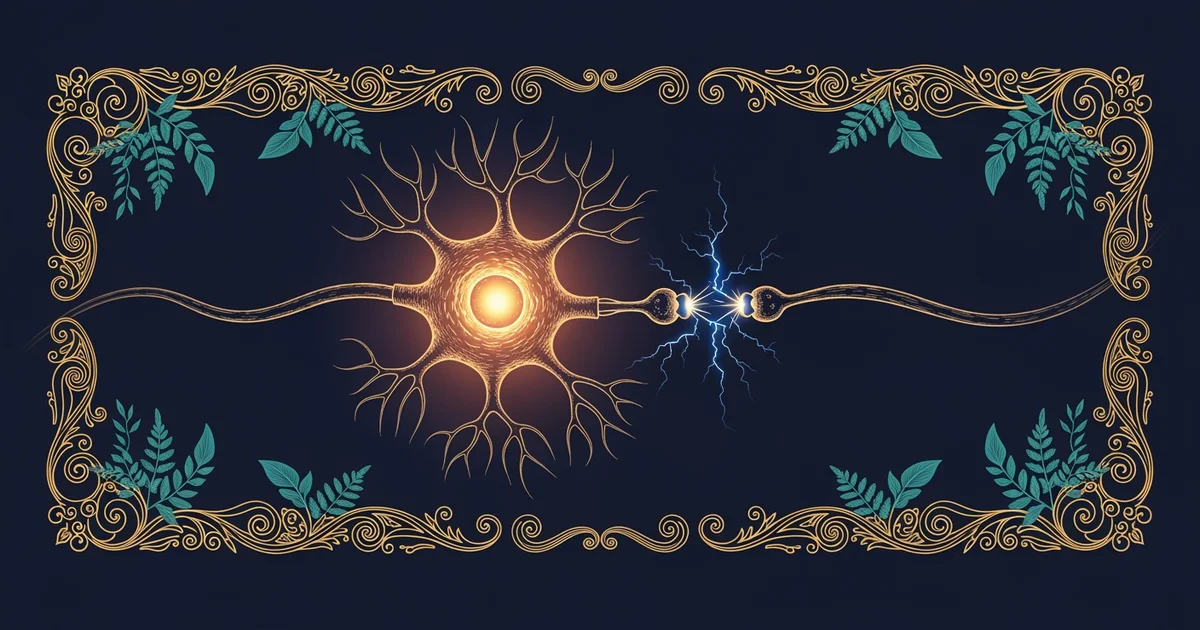
The Evolution of Neural Interfaces
Early efforts to map the brain relied on simple sensors that could only record basic electrical activity from the scalp. These tools were limited because they could not isolate signals from specific neurons deep within the brain tissue. Modern Brain-Computer Interfaces (BCIs) now use tiny arrays of electrodes that sit directly on the surface of the cortex to capture high-quality data. Think of this like upgrading from a fuzzy radio signal to a clear high-definition stream that lets you hear every single note in a symphony. This transition allows for much more precise control over robotic limbs or digital interfaces.
Key term: Brain-Computer Interface — a direct communication pathway between an enhanced or wired brain and an external device.
As we refine these connections, we must consider how the body adapts to having foreign hardware integrated into its delicate electrical network. The brain is remarkably plastic, meaning it can reorganize itself to incorporate new inputs just as it learned to walk or speak during childhood. When a person uses a BCI, their neural pathways actually change to treat the device as an extension of their own body. This process mirrors how a musician eventually stops thinking about their fingers and simply plays the melody through the instrument.
Future Frontiers and Ethical Challenges
Future developments will likely focus on bidirectional communication where the device sends sensory feedback back into the brain. This means a user could feel the texture of a digital object or sense the position of a robotic hand as if it were real. The following list outlines the primary goals researchers are currently pursuing to make this technology both safer and more effective for daily use:
- Neural Signal Decoding involves translating raw electrical spikes into meaningful commands that computers can execute instantly without any lag.
- Biocompatible Materials ensure that the brain does not reject the sensors by using flexible polymers that mimic the soft texture of organic tissue.
- Wireless Data Transmission removes the need for physical ports on the skull, which reduces the risk of infection and allows for complete freedom of movement.
- Direct Synaptic Stimulation aims to bypass damaged nerves by sending signals directly to the brain centers responsible for movement and sensory perception.
Integrating these technologies requires us to address significant questions about privacy and the nature of human identity. If a machine can read your thoughts or influence your neural patterns, who owns that data and how do we protect the sanctity of the mind? These dilemmas are not just technical but deeply philosophical, as they force us to define where the human ends and the machine begins. The field stands at a crossroads where scientific progress must move in lockstep with ethical oversight to ensure these tools serve humanity well.
| Feature | Current Technology | Future Goal |
|---|---|---|
| Connectivity | Wired connections | Wireless links |
| Precision | Broad neural areas | Single-neuron control |
| Feedback | Visual only | Sensory touch feedback |
| Longevity | Short-term usage | Lifetime integration |
We have journeyed from understanding simple ion channels in individual cells to imagining a future where those channels connect to global information networks. Your body generates the electricity for your thoughts through the movement of ions across cell membranes, a process that can now be mimicked or assisted by modern engineering. By bridging the gap between biology and technology, we are learning to repair broken systems and perhaps redefine the potential of the human experience.
The future of bioelectricity lies in creating seamless two-way communication between our internal electrical signals and external digital systems to expand human capabilities.
Understanding how we interface with technology today prepares us to navigate the complex ethical and biological changes that will define the next century of human evolution.