
Muscle Contraction Mechanics
Your body moves only when tiny electrical sparks trigger a chain reaction deep inside your muscles. Imagine a heavy gate that stays locked until someone turns the key in the correct slot. This is how your nerves signal your muscles to jump into action every single second.
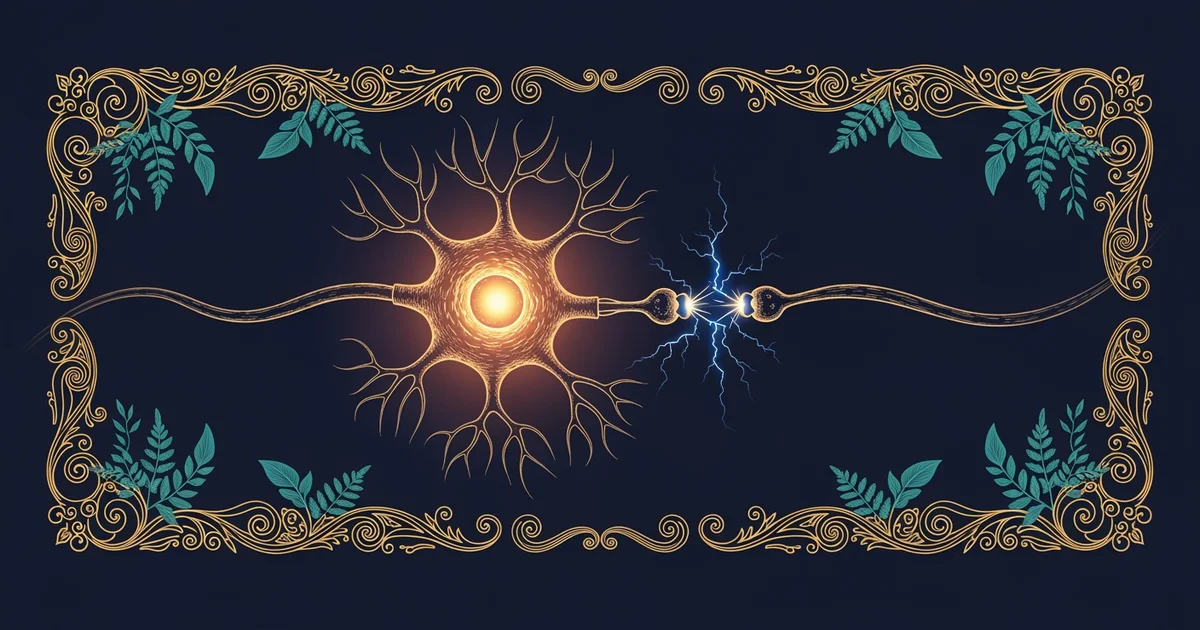
The Electrical Trigger for Movement
When a nerve signal reaches the muscle, it arrives as a pulse of electricity that changes the cell membrane. This pulse travels rapidly along the outer surface of the muscle cell to reach the interior. The signal moves through small tunnels called T-tubules that reach deep into the muscle fiber structure. These tunnels act like a highway system to deliver the electrical message to the core of the cell. Once the signal arrives, it triggers the release of calcium ions from storage units inside the muscle. This process is known as excitation-contraction coupling because it links the electrical command to the physical work of pulling fibers. Think of this process like a light switch that powers a machine; the switch sends current, and the machine starts moving immediately. Without this electrical link, your muscles would remain perfectly still regardless of your conscious intentions.
Key term: Excitation-contraction coupling — the physiological process where an electrical nerve impulse leads to the physical contraction of a muscle fiber.
The Mechanics of Muscle Fiber Sliding
After the calcium release, the muscle fibers begin the actual mechanical work of shortening their length. The calcium binds to regulatory proteins that normally block the interaction between two key filaments. These filaments are named actin and myosin, and they are the primary components of your muscle structure. When the blocking proteins move away, the myosin heads grab onto the actin filaments like a person climbing a rope. The myosin pulls the actin toward the center, which causes the entire muscle fiber to shrink in size. This sliding action happens thousands of times across your body to create smooth and powerful movements. You can compare this to a rowing crew working in perfect rhythm to pull a boat forward. Each stroke uses energy to create tension and movement until the electrical signal stops and the calcium returns to storage.
| Component | Primary Role | Interaction |
|---|---|---|
| Actin | Thin filament | Provides the track for movement |
| Myosin | Thick filament | Provides the force for pulling |
| Calcium | Signal ion | Unlocks the binding sites for action |
This table highlights how the different parts of the muscle cell work in tandem to produce motion. The calcium acts as the foreman of the crew, while the actin and myosin perform the heavy lifting. If the calcium remains present, the muscle stays contracted and ready to exert force against resistance. When the electrical signal fades, the calcium is pumped back into its storage containers to stop the movement. This cycle repeats every time you move your arm, blink your eyes, or take a single step forward. The speed of this process allows your body to react to the world in fractions of a second.
Muscles convert electrical nerve signals into mechanical force by using calcium to unlock the sliding movement of internal protein filaments.
But what does it look like in practice when your heart must maintain this rhythm without a moment of rest?