
Ion Channel Diversity
Imagine your home security system requires a specific key to unlock the front door while the back gate opens only when you press a doorbell. Your cells use a similar logic to control the flow of electricity across their outer membranes. These tiny gates are essential for your body to function properly.
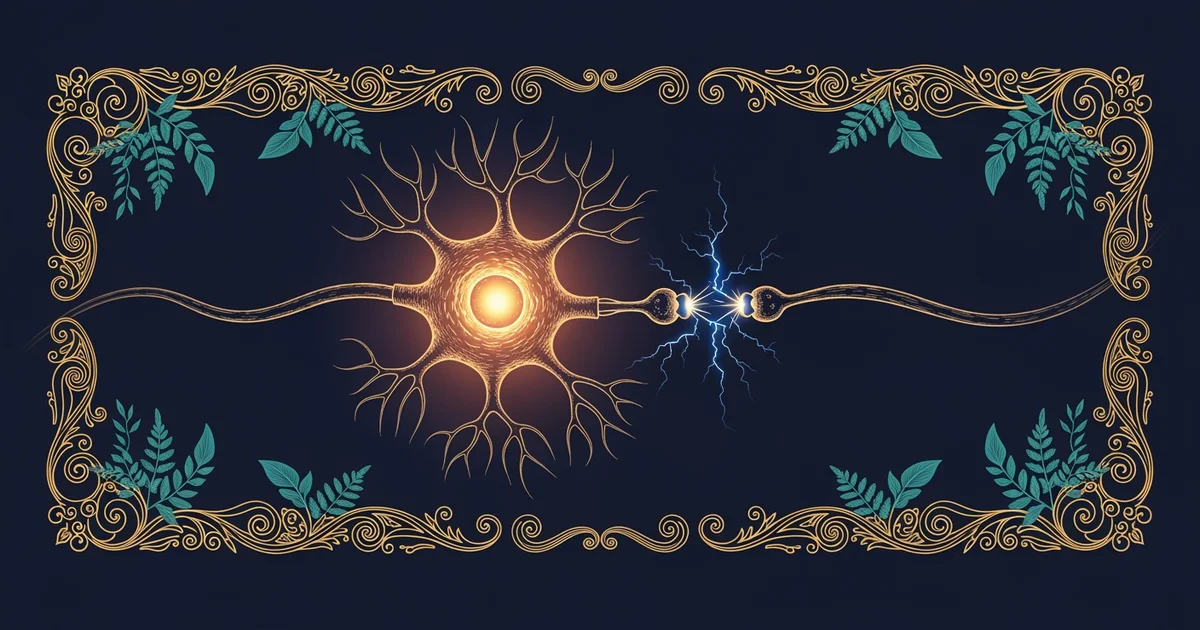
The Mechanism of Gated Channels
Cells maintain a steady electrical charge by moving ions across their protective barriers. This process relies on specialized proteins known as ion channels that act like controlled doorways for charged particles. Because these particles cannot pass through the fatty cell membrane on their own, they must wait for a signal to open the gate. Think of these proteins as highly selective bouncers at a club who only admit guests with the correct credentials. Without these gatekeepers, your nerves would fire constantly and your heart would beat without any rhythm or control.
These channels remain closed until a specific trigger forces them to change their physical shape. This shape shift creates an opening that allows ions like sodium or potassium to flow through. Once the stimulus stops, the protein snaps back into its closed position to stop the flow of electricity. This rapid switching allows your brain to send signals across your body in mere milliseconds. The diversity of these channels ensures that different parts of your body respond to different types of chemical or electrical triggers.
Distinguishing Voltage and Ligand Gated Channels
Cells use two primary methods to decide when to open these protein gates. The first type responds to changes in the local electrical environment surrounding the cell membrane. These are called voltage-gated channels because they react specifically to the shifting electrical potential across the membrane. When the charge reaches a certain threshold, the protein detects the shift and pulls open its gate. This mechanism is the primary reason why electrical signals can travel long distances down the length of your nerve fibers.
The second type of channel responds to chemical signals rather than electrical ones. These are known as ligand-gated channels because they require a specific molecule to bind to their surface. When a signaling chemical lands on the binding site, the protein changes shape and opens the pathway. This process is crucial for passing messages between two different cells at the junction where they meet. The table below highlights the differences between these two common types of gates.
| Feature | Voltage-Gated Channels | Ligand-Gated Channels |
|---|---|---|
| Trigger | Electrical charge change | Chemical molecule bind |
| Purpose | Propagating nerve signals | Receiving chemical signals |
| Speed | Extremely fast response | Slightly slower response |
| Location | Along axons and fibers | At cell junctions only |
These channels work together to create the complex electrical web that defines your nervous system. By using different triggers, your body can prioritize certain signals over others based on the needs of the moment. For instance, the voltage-gated channels keep the signal moving quickly down the nerve path. The ligand-gated channels act as the translators that convert chemical messages into electrical ones at the end of the line. This division of labor allows your body to process information with high precision and incredible speed.
Key term: Ion channel — a protein structure embedded in the cell membrane that regulates the flow of charged particles to create electrical signals.
Understanding how these gates open provides the foundation for learning how cells communicate. Every movement you make, from blinking to running, depends on the coordinated opening and closing of these microscopic structures. When these channels fail to function, the electrical flow stops and the body loses its ability to coordinate basic tasks. Scientists study these proteins to understand how medicine can influence nerve activity and treat various conditions.
The body maintains electrical control by using specialized proteins that open only in response to specific electrical or chemical triggers.
The next Station introduces synaptic transmission, which determines how these ion channels facilitate communication between two distinct cells.