
Fluid Shifts in Orbit
Imagine pouring a full glass of water into a shallow pan and watching the liquid spread across the entire bottom surface. On Earth, gravity constantly pulls your bodily fluids toward your feet, keeping your system balanced and pressurized in a specific way. When you transition into the weightless environment of space, that constant downward pull disappears, causing a dramatic redistribution of your internal fluids. This phenomenon, known as fluid shifts, represents one of the most immediate and impactful physiological changes that every astronaut experiences upon reaching orbit. Without gravity to anchor your blood volume, your body reacts in ways that can feel quite strange and uncomfortable during the first few days of a mission.
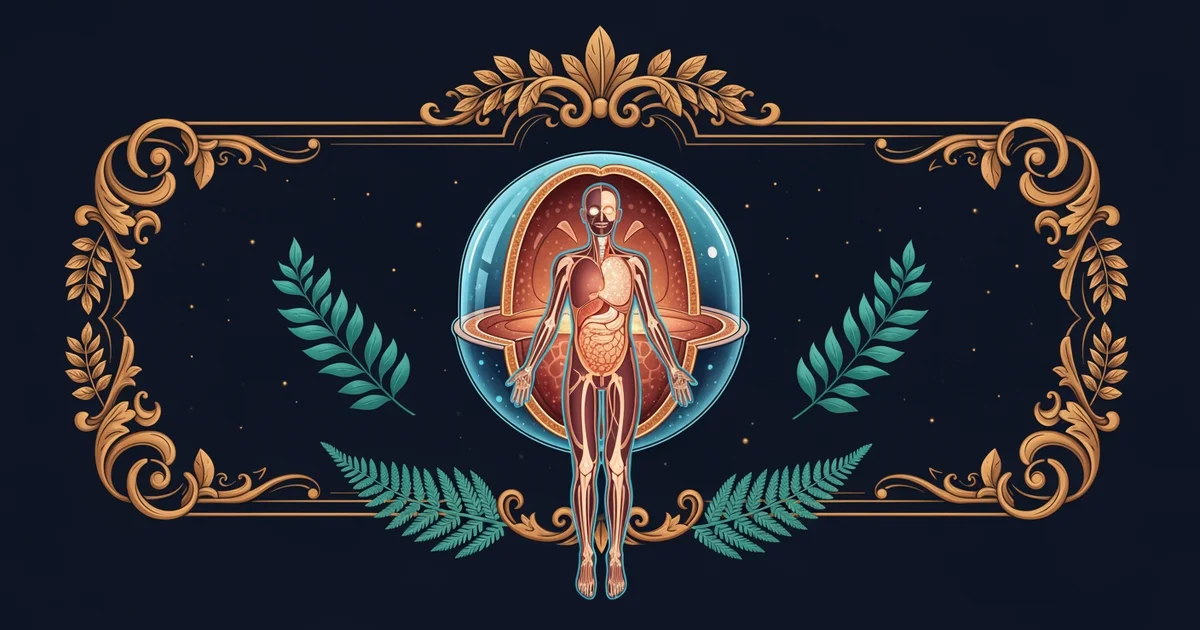
The Mechanism of Internal Redistribution
When gravity is removed, the blood and other interstitial fluids that usually pool in your legs begin to migrate toward your upper body. You can think of this process like a city’s water pressure suddenly equalizing after a massive pipe burst in the basement is finally repaired. In space, the legs lose significant volume, while the chest, neck, and head experience a sudden surge of excess fluid. This shift causes the face to appear puffy and the nasal passages to swell, which often results in a feeling of congestion similar to a head cold. Your body interprets this increased volume in the upper torso as a signal that you have too much water overall.
Key term: Fluid shifts — the redistribution of blood and interstitial fluids toward the upper body caused by the removal of gravitational force.
Because your brain senses this higher pressure in the chest and head, it mistakenly assumes you are over-hydrated and triggers mechanisms to shed the perceived excess. This leads to increased urination, which helps the body reach a new, lower total fluid volume that is more comfortable in microgravity. While this adjustment helps you feel better in the short term, it creates a new challenge for your cardiovascular system. Your heart must now adapt to pumping a smaller total volume of blood while dealing with the altered pressure dynamics of a weightless environment.
Cardiovascular Adaptation and Consequences
As your body settles into its new fluid balance, the cardiovascular system undergoes several structural and functional changes to maintain stability. The heart does not need to pump as hard against gravity to move blood to the brain, which can lead to a slight decrease in the size of the heart muscle over time. This adaptation allows the body to conserve energy, but it also means the system becomes less efficient at handling the return to gravity upon landing. The following table highlights how different body regions respond to the initial shift of fluids during the transition to spaceflight.
| Body Region | Initial Change | Long-term Adjustment |
|---|---|---|
| Lower Limbs | Fluid loss | Muscle mass reduction |
| Thorax | Pressure increase | Heart rate stabilization |
| Head/Face | Fluid accumulation | Sensory system swelling |
To manage these changes effectively, astronauts must monitor their hydration levels and perform specific exercises throughout their missions. By maintaining a steady intake of fluids and electrolytes, crew members can prevent excessive dehydration during the adaptation phase. The body is remarkably resilient, and it will eventually find a new equilibrium that allows for sustained performance in orbit. Understanding these shifts is vital for mission success because it informs how we design life support systems and exercise protocols for long-duration space travel.
Fluid shifts represent the body's natural attempt to reach a new physiological equilibrium when the traditional downward pull of gravity is removed.
The next Station introduces muscle atrophy mechanisms, which explains how the lack of gravitational resistance impacts the structural integrity of your skeletal muscles.