
The Space Environment
Imagine standing on a beach without any sunscreen while the sun beats down on your skin. You would quickly feel the heat and notice the damage from the invisible rays hitting you. Space is like that beach, but the intensity of the exposure is far greater because there is no atmosphere to shield you. Astronauts living in orbit face a harsh environment where the protective layers of Earth simply do not exist. Understanding these dangers helps us design better ships to keep our crews safe during long missions. We must treat the space environment as a hostile territory that requires constant vigilance and protective engineering.
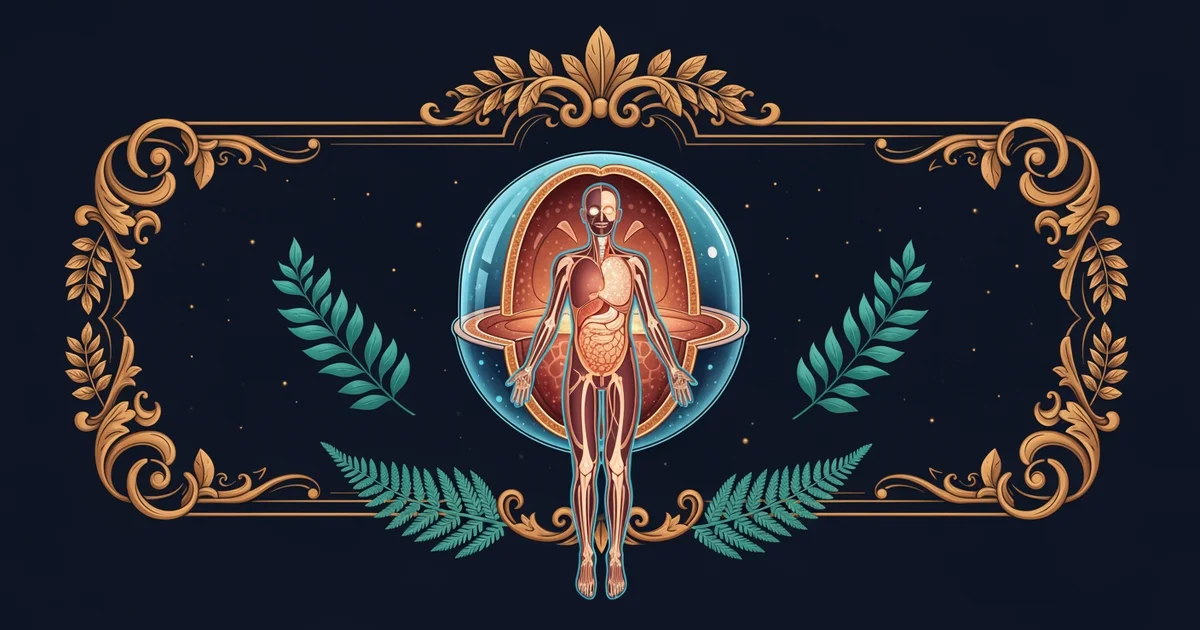
The Nature of Orbital Hazards
Space travel involves navigating through invisible threats that can harm human biology over time. The primary hazard comes from ionizing radiation, which consists of high-energy particles that can penetrate solid materials and living tissue. Think of these particles like tiny, high-speed bullets that travel through your body and damage the delicate structure of your cells. On Earth, our thick atmosphere and magnetic field act like a giant umbrella that deflects most of these harmful particles away from us. Once you leave that protective bubble, your body becomes directly exposed to the constant flow of cosmic energy. Without this barrier, the risk of cellular mutation and long-term health issues increases significantly for every day spent outside our atmosphere.
Key term: Ionizing radiation — a type of energy released by atoms that travels in the form of electromagnetic waves or particles and can cause damage to biological cells.
There are three main sources of radiation that missions must track to ensure the safety of the crew. Each source presents a different challenge based on its origin and energy level. We categorize these threats to better understand how to shield the spacecraft effectively against them.
- Galactic cosmic rays originate from outside our solar system and carry immense energy that is very difficult to block completely with current materials.
- Solar particle events occur when the sun releases sudden bursts of high-energy protons during active solar cycles, which can be dangerous if a crew is caught in the open.
- Trapped radiation belts consist of charged particles that get caught in the magnetic field of the Earth, creating zones that are particularly hazardous for low-earth orbit missions.
Engineering Protective Solutions
Managing these risks requires a clever approach to spacecraft design that balances weight with the need for strong shielding. Adding heavy materials like lead or thick steel would protect the crew, but it would also make the ship too heavy to launch into orbit. Engineers must find lighter materials that can absorb high-energy particles without adding too much mass to the total weight of the vehicle. This is similar to choosing the right gear for a hiking trip where you want the best protection from the weather without carrying a backpack that is too heavy to move. We use advanced plastics and hydrogen-rich materials because they are better at slowing down radiation than dense metals.
| Radiation Source | Primary Hazard | Mitigation Strategy |
|---|---|---|
| Galactic Rays | Constant high-energy impact | Use hydrogen-rich shielding materials |
| Solar Particles | Sudden intense energy bursts | Design a dedicated storm shelter area |
| Trapped Belts | Localized high-density zones | Limit time spent in specific orbits |
By carefully mapping these zones, mission planners can adjust the path of the spacecraft to avoid the most dangerous areas. Keeping the total dose of radiation as low as possible remains the main goal for every mission design team. We must constantly monitor the space weather to ensure that the crew stays safe during their journey through the void. Learning how to live in this environment is the first step toward exploring deeper into our solar system.
Managing the risks of space travel requires understanding that the lack of atmospheric protection makes ionizing radiation a constant, invisible threat to human health.
Next, we will examine how the absence of gravity causes fluids to shift within the human body, leading to new physiological challenges for astronauts.