
Backward Contamination Dangers
Imagine you bring a rare, unknown plant into your home that carries a hidden, aggressive mold. This mold spreads across your living space, consumes your food, and compromises the air you breathe before you even realize it exists. Returning samples from space carries a similar risk for our entire planet. We call this threat backward contamination, which describes the accidental introduction of extraterrestrial life into Earth's biosphere. When we retrieve rocks or ice from distant worlds, we must ensure that nothing hitchhikes back with our spacecraft. Even if the odds of finding life seem incredibly low, the potential impact on our ecosystem demands extreme caution. We cannot afford to gamble with the safety of our global environment.
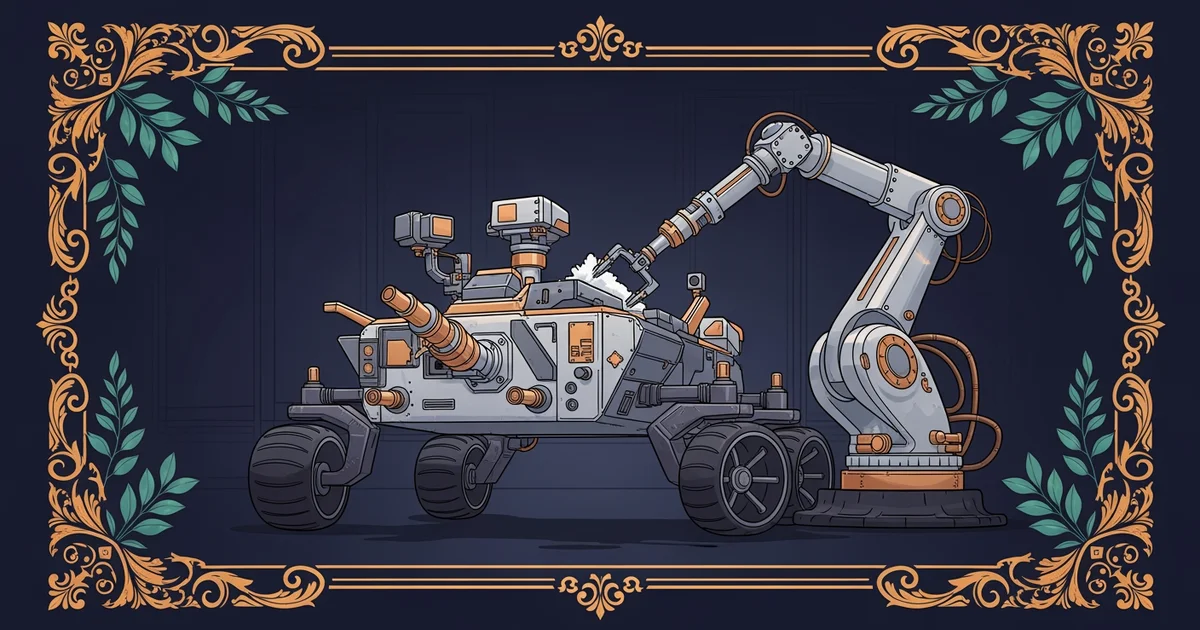
The Protocols of Planetary Defense
To prevent this nightmare scenario, space agencies follow strict containment guidelines for every return mission. These protocols start long before the spacecraft ever leaves the surface of the target planet or moon. Engineers design sample containers with multiple layers of mechanical seals to prevent any gas or dust from leaking. Think of these containers like a high-security vault that stays locked during the entire journey home. If the primary seal fails, the secondary layer acts as a backup to keep the contents isolated from the outside environment. This layered protection ensures that even a catastrophic landing accident does not expose the Earth to unknown biological agents. We treat every gram of space material as a potential biohazard until proven otherwise.
Key term: Bio-containment — the set of physical and procedural barriers used to prevent the accidental release of biological agents into a new environment.
Once the capsule arrives on Earth, it undergoes a rigorous decontamination process before experts open it. The landing site acts as the first line of defense, where recovery teams use specialized equipment to secure the hardware. They place the sample container into a sealed transport unit that maintains a sterile environment during transit to a laboratory. This lab serves as a high-security bunker where scientists study the samples under strict isolation. No air, liquid, or dust from the sample container leaves the facility without being sterilized first. This approach mimics how a hospital isolates a patient with a dangerous, contagious infection to stop it from spreading.
Managing Risks Through Isolation
Maintaining this level of security requires constant monitoring of the physical barriers and the environment inside the lab. Scientists use a variety of methods to ensure that the containment remains intact throughout the entire study period. These methods include the following strategies to keep our planet safe from potential alien microbes:
- Pressure management systems maintain a negative air pressure inside the laboratory rooms to ensure that any airflow always moves inward toward the danger zone.
- Chemical sterilization baths use powerful agents to neutralize any organic material that might cling to the outer surface of the sample containers during the move.
- High-efficiency particulate air filters capture microscopic particles that could contain dormant life forms, preventing them from escaping through the ventilation systems into the atmosphere.
These systems work together to create a multi-stage defense that makes the chance of a leak extremely remote. The goal is to isolate the unknown completely while allowing researchers to perform the necessary tests. If a sample shows signs of biological activity, the protocols become even more restrictive to prevent any accidental exposure. By following these steps, we can explore the solar system without risking the delicate balance of life on Earth. We must remain vigilant, as the stakes of planetary protection are simply too high to accept any shortcuts in our safety procedures.
Safeguarding Earth from extraterrestrial life requires absolute isolation of space samples through layered mechanical seals and strictly controlled laboratory environments.
The next Station introduces clean room engineering, which determines how we build the hardware that keeps these samples isolated from the moment they are collected.