
The History of Bio-containment
Imagine a scientist opening a package from Mars, only to find a microscopic hitchhiker that has never encountered an immune system on Earth. This scenario sounds like a movie script, but it drives the very real and serious rules governing space travel today.
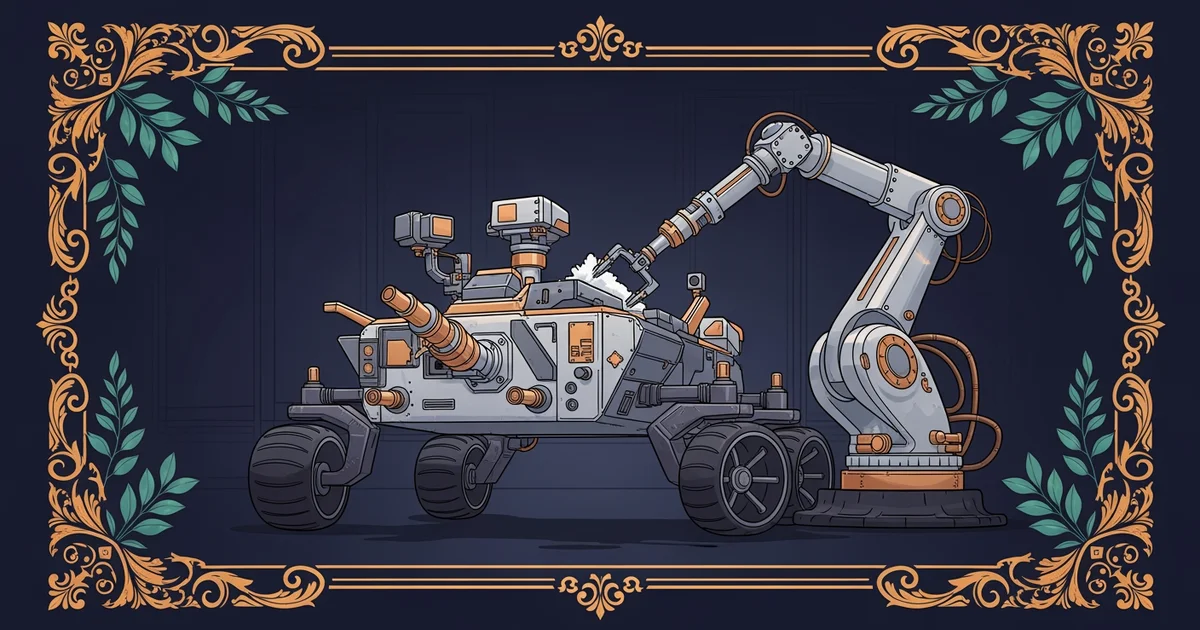
The Evolution of Containment Standards
Space agencies began to worry about biological contamination during the early years of the lunar race. Leaders realized that sending human objects to other worlds might leave behind Earth bacteria. Scientists also feared that returning samples could bring back alien organisms that might threaten our delicate biosphere. To manage these risks, experts developed strict rules known as planetary protection protocols. These rules require that every spacecraft intended for a landing must undergo intense sterilization processes before launch. Engineers use heat, radiation, and chemical baths to kill any microbes clinging to the metal surfaces. This process is much like a surgeon scrubbing their hands before a major operation to ensure that no germs enter the sterile body cavity. Without these steps, we risk ruining the unique data we seek to collect from other planets.
Key term: Planetary protection — the practice of protecting solar system bodies from contamination by Earth life and protecting Earth from potential extraterrestrial life.
As our reach expanded from the Moon to Mars, the threat of contamination grew much larger. Early missions lacked the advanced technology we use today to keep equipment perfectly clean. Scientists learned through trial and error that even a single spore could survive the harsh vacuum of space. They started building assembly rooms that filter out almost every speck of dust and biological matter. These clean rooms act like high-security vaults where workers wear full-body suits to keep their own skin cells away from the hardware. This level of caution ensures that the data we receive from distant worlds remains untainted by our own biological footprint. It remains a massive challenge to keep machines sterile while also ensuring they function correctly in space.
Historical Milestones and Global Agreements
International groups eventually came together to create a unified set of rules for all space-faring nations. These agreements ensure that every country follows the same strict standards to avoid accidental planetary pollution. The following table highlights how our approach to biological safety has shifted over the past few decades as technology improved.
| Era | Primary Concern | Common Method | Goal |
|---|---|---|---|
| 1960s | Moon Missions | Heat Sterilization | Prevent Earth life transfer |
| 1990s | Mars Rovers | Dry Heat Baking | Protect future life discovery |
| 2020s | Sample Return | Sealed Containers | Total isolation of materials |
These milestones reflect our growing understanding of how life might survive in extreme conditions. We now know that some bacteria can survive inside rock cracks or deep within ice layers. This discovery forced engineers to rethink how they build spacecraft to ensure no hidden spaces exist for microbes to hide. We must treat every mission as a potential vector for biological exchange between two different worlds. By maintaining these high standards, we protect the integrity of our search for life beyond our home planet.
- Initial policies focused on preventing the spread of Earth life to the Moon during the first human landings.
- Later rules required that any probe landing on a planet with potential life must be nearly sterile.
- Modern protocols now demand that any samples brought back to Earth remain in double-sealed metal containers.
These steps ensure that we do not accidentally introduce foreign biology into our own fragile ecosystem or destroy the environment we aim to study. The history of these protocols is a long story of learning to respect the unknown biological possibilities of the deep cosmos.
Biological safety in space relies on strict isolation methods that prevent the accidental exchange of life between planets.
The next station explains how tiny organisms can survive the extreme vacuum of deep space.