
Future Design Trends
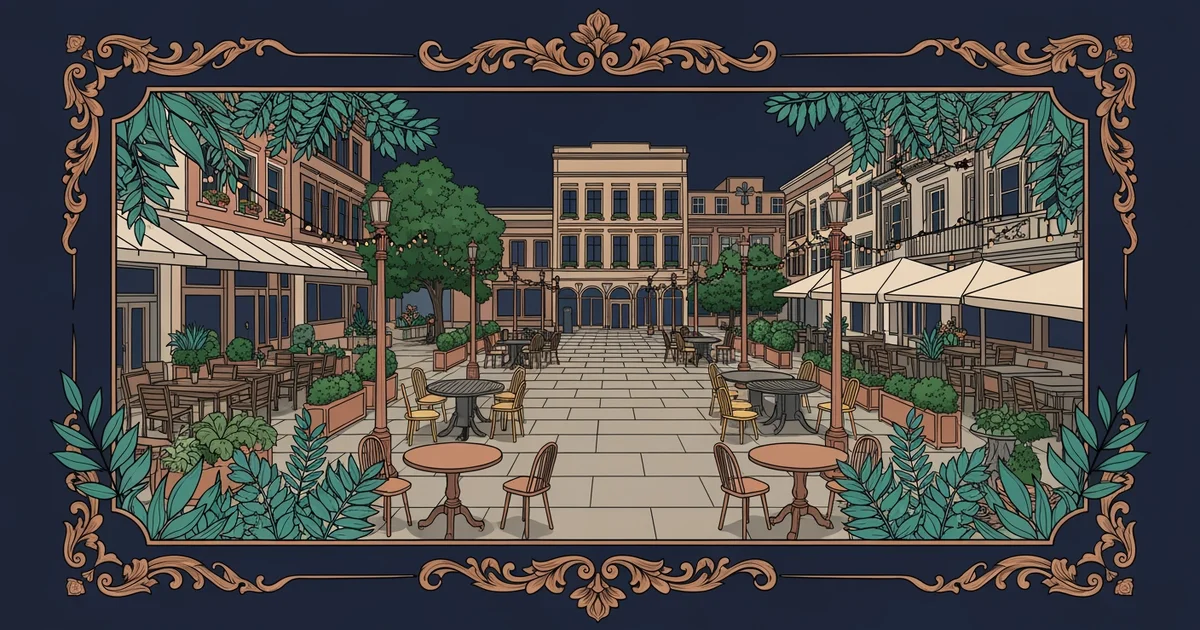
Imagine walking through a neighborhood where every street corner acts like a living room. You see neighbors sharing coffee while solar panels power public Wi-Fi stations under green canopies. This vision represents the future of public design. Designers now focus on creating spaces that blend nature with modern technology. They want to ensure that these areas remain welcoming to everyone in the local community. By thinking about how we use space, we can build better social hubs for future generations.
Integrating Nature and Technology
Designers are currently shifting toward biophilic design to improve our mental well-being in urban settings. This approach brings natural elements like plants and water into the center of our concrete environments. Think of this like adding a healthy salad to a fast-food meal to improve nutrition. The goal is to balance hard architecture with soft, natural textures that soothe the human brain. When we integrate these elements, public spaces become more than just transit points for busy people. They become places where people want to stop, linger, and interact with their neighbors for hours.
Technology also plays a massive role in how these future spaces will function for us. Smart benches and interactive kiosks provide information while offering charging ports for our mobile devices. These tools bridge the gap between our digital lives and our physical need for human connection. We must ensure that this technology remains accessible to all people regardless of their financial status. If we fail to do this, we risk creating digital divides within our most important public areas. Designers must prioritize equity when they plan these high-tech additions to our shared neighborhood landscapes.
Adapting Spaces for Changing Needs
Public architecture must become more flexible to handle the shifting demands of our modern society. We often see spaces designed for one purpose that sit empty for most of the day. Future trends favor modular architecture which allows a single location to serve multiple different needs. A morning yoga class could easily transition into a remote work hub by the afternoon. This flexibility ensures that public investments provide value to the community around the clock every day.
To understand how these spaces evolve, we can look at the following key design priorities:
- Climate resilience requires that we build structures capable of handling extreme weather events while maintaining comfort.
- Universal accessibility ensures that every person can navigate and enjoy the space without facing physical barriers.
- Social density planning encourages people to gather in ways that feel safe, comfortable, and highly inviting.
- Energy autonomy allows public spaces to generate their own power through wind or solar energy systems.
Key term: Modular architecture — a construction method that uses pre-built sections to create flexible spaces that adapt to changing community requirements.
These priorities help us address the tension between static building designs and our dynamic social lives. In earlier stations, we explored case studies of successful plazas and the importance of social health. By combining those historical lessons with these new design trends, we create a stronger foundation. We now face a major open question regarding how much control communities should have over these designs. Should architects decide the layout, or should the residents dictate how their own public spaces function?
| Feature | Traditional Design | Future Design Trend |
|---|---|---|
| Purpose | Single use only | Multi-use flexible |
| Energy | Grid dependence | Self-sustaining solar |
| Nature | Decorative plants | Integrated ecosystems |
| Access | Standard entry | Universal design focus |
This table highlights why moving toward flexible and sustainable design creates a better social environment. When we prioritize these features, we move closer to the goal of building strong, connected communities. We must continue to ask how our physical surroundings influence our daily interactions with other people nearby. By blending technology, nature, and flexibility, we ensure that our future public spaces remain relevant.
Future public spaces thrive when they balance natural comfort with flexible technology that serves the diverse needs of the community.
Next, we will explore how you can actively participate in building your own local community and physical environment.