
Building Your Community
Imagine you are walking through a neighborhood where every single store is locked tight behind iron gates. You notice that the streets feel empty and cold because nobody has a place to gather or talk. This is exactly what happens when a city lacks a true community hub for its residents. Building a vibrant local space requires more than just bricks and mortar; it demands a clear plan for human connection. When we design these spaces, we are essentially building a social engine that powers the health of our local area.
Creating Inclusive Social Hubs
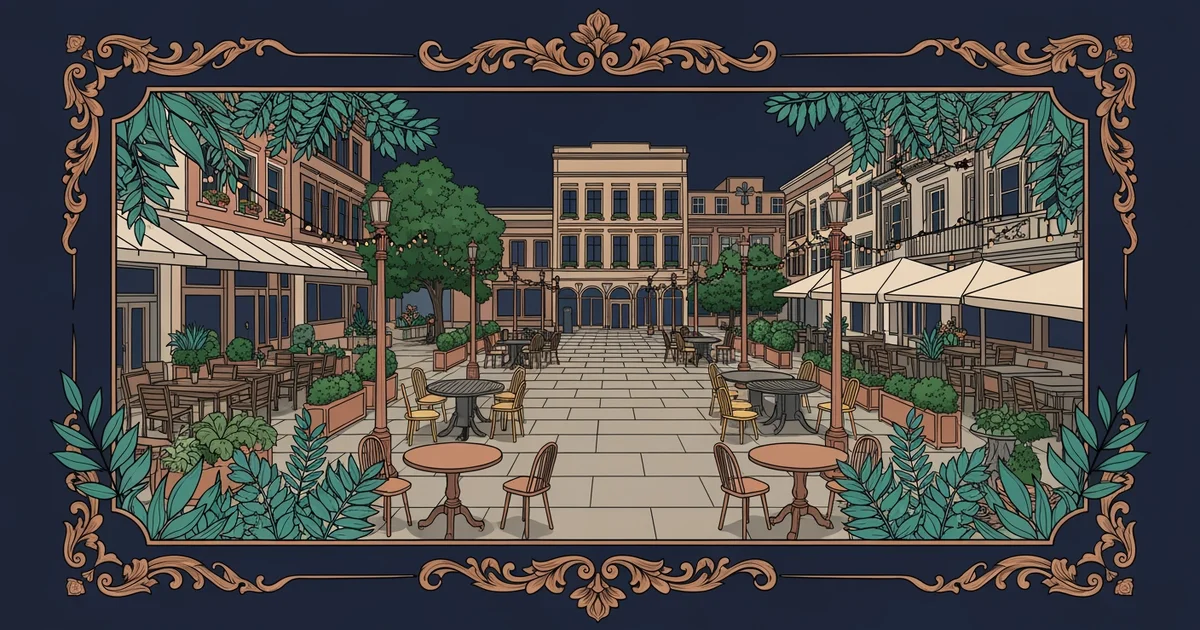
To build a successful community hub, planners must prioritize accessibility for every member of the neighborhood. A space that only serves one demographic will eventually fail to foster the deep bonds needed for a strong community. Think of a community hub like a public garden that requires constant tending to stay alive and useful. If you plant only one type of flower, the ecosystem remains fragile and prone to disease. By including diverse seating, open areas for events, and quiet zones for reading, you create a rich environment that invites people to stay longer. This variety ensures that different groups find value in the space at different times of the day.
Key term: Third Place — a social environment separate from the home and the workplace where people gather and interact.
Designing these spaces involves balancing the needs of many different groups within the same physical footprint. You must consider how a senior citizen uses a plaza differently than a teenager looking for a place to hang out. If the design ignores these differences, the space becomes a ghost town rather than a hub. Successful hubs often use modular furniture that can move to accommodate small groups or large crowds. By allowing the space to change its shape, you ensure that it remains relevant as the community grows and evolves over time.
Strategies for Sustainable Development
Once you have a design, you must ensure that the community feels a sense of ownership over the location. A project that feels imposed from the top down will rarely gain the support of the locals living nearby. Instead, you should invite residents to help shape the programming and the rules of the space. This collaborative approach creates a shared responsibility that keeps the area clean and safe for everyone. When people feel that their voice matters, they are much more likely to protect and maintain the shared environment.
| Feature Type | Primary Purpose | Best Implementation Strategy |
|---|---|---|
| Flexible Seating | Social Comfort | Use lightweight, movable chairs |
| Greenery | Visual Appeal | Plant native, low-maintenance trees |
| Public Art | Identity | Partner with local student artists |
We can organize the steps for developing these hubs into a simple, effective roadmap for success:
- Conduct a survey to understand the specific needs of local residents who live nearby.
- Select a central location that is easy to reach by walking or public transit.
- Implement low-cost, temporary installations to test how people use the space in practice.
- Gather feedback from the community to refine the design before making permanent investments.
- Establish a local committee to manage events and oversee the long-term maintenance needs.
By following this roadmap, you turn a vacant lot into a living, breathing part of the neighborhood. These spaces connect to the future design trends we studied earlier by focusing on human-centric architecture. They also build upon the foundational ideas of social health by giving people a reliable place to build their support networks. A well-designed hub acts as the glue that holds a neighborhood together during difficult times. Without these shared spaces, the social fabric of a city begins to fray and eventually falls apart.
Effective community hubs succeed by balancing flexible design with active resident participation to ensure every person feels welcome.
Building strong community hubs is the most vital step in turning a collection of houses into a thriving neighborhood.