
Future City Integration
Imagine walking through a city where the central hub is not just a place for mail, but a vibrant community anchor. These historic buildings, once designed solely for logistics, now hold the potential to become the beating heart of our modern urban neighborhoods. As we look at the evolution of urban design, we see that these structures offer a unique opportunity to bridge the gap between our past architectural heritage and our future service needs. By reimagining the post office as a multi-functional space, planners can create hubs that serve both digital and physical needs for every resident.
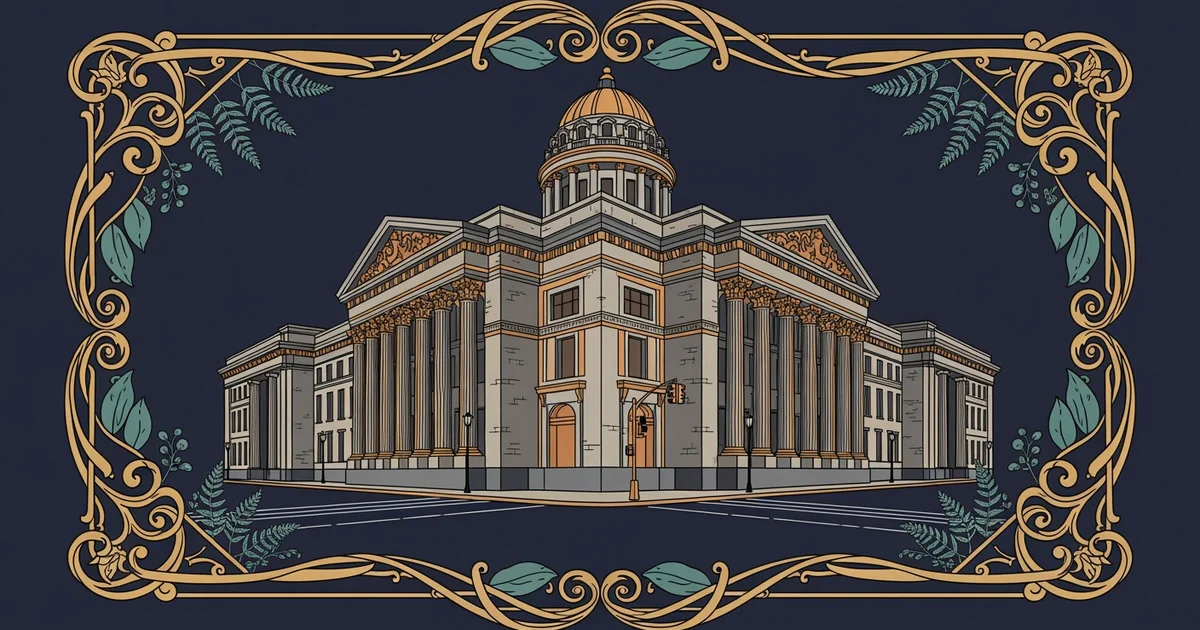
Transforming Historic Assets into Civic Hubs
When we consider the integration of these legacy buildings, we must look at how they functioned in the past compared to their potential today. Many older post offices occupy prime real estate in the center of town, making them perfect candidates for adaptive reuse. This process involves repurposing existing structures for new functions, which preserves local history while reducing the environmental cost of new construction. Much like a classic car that gains a modern engine to stay relevant on today’s highways, these buildings can gain new technology to serve the modern public. By keeping the exterior intact, cities maintain their unique character while providing services that residents actually need today.
Key term: Adaptive reuse — the practice of renovating an existing building to serve a new purpose that better fits the current needs of the community.
To effectively integrate these spaces, designers should focus on creating flexible environments that can shift based on daily requirements. A post office might function as a parcel distribution center in the morning, a co-working space during the afternoon, and a community classroom in the evening. This versatility ensures that the building remains active throughout the entire day rather than sitting empty during off-peak hours. Such a model reduces the pressure on other city infrastructure by concentrating various services into one accessible location. This approach creates a more efficient urban layout that saves both time and energy for the average city dweller.
Strategic Integration for Future Growth
Integrating these historic sites into modern urban plans requires a careful balance between preservation and innovation. We must ensure that these centers do not become stagnant monuments but instead evolve into civic nodes that connect people to essential resources. A civic node functions as a central point where technology, social interaction, and logistics meet to support the daily lives of citizens. By placing these nodes strategically throughout a city, planners can reduce the need for long commutes to access government or commercial services. This decentralized approach makes city life more sustainable and enjoyable for everyone involved.
When planning for these future hubs, cities should consider the following essential service categories to ensure they meet modern demands:
- Digital connectivity access points provide reliable high-speed internet for people who lack stable service at home, ensuring that everyone can participate in the modern digital economy without needing expensive private equipment.
- Micro-logistics distribution centers allow local businesses to receive and send goods quickly, which reduces the number of delivery trucks on residential streets and lowers overall traffic congestion in the city center.
- Community engagement zones offer flexible meeting rooms for local groups to organize events, fostering stronger social ties among neighbors who might otherwise never interact in a busy urban environment.
These functions directly address the tension between the physical infrastructure of the past and the digital demands of the present. By combining these, we solve the problem of underutilized space while solving the lack of local service access. Historic post offices provide the physical foundation for this vision because they were built to be accessible to all. When we layer modern tech onto these historic foundations, we create a city that respects its past while preparing for the needs of the next generation.
Integrating historic post offices into modern urban design allows cities to create flexible, multi-purpose hubs that bridge the gap between past infrastructure and future service needs.
The next step involves synthesizing these concepts into a final urban strategy that promotes long-term growth and community resilience.