
Public Space and Utility
Imagine walking into a grand building downtown where the air smells of old paper and fresh ink. You see neighbors trading news near the service counter while others wait for their packages to arrive. This historic structure serves as the heartbeat of the local community, connecting distant corners of the world to your own front porch. Beyond its primary role of moving mail, the post office acts as an anchor for social life in every town.
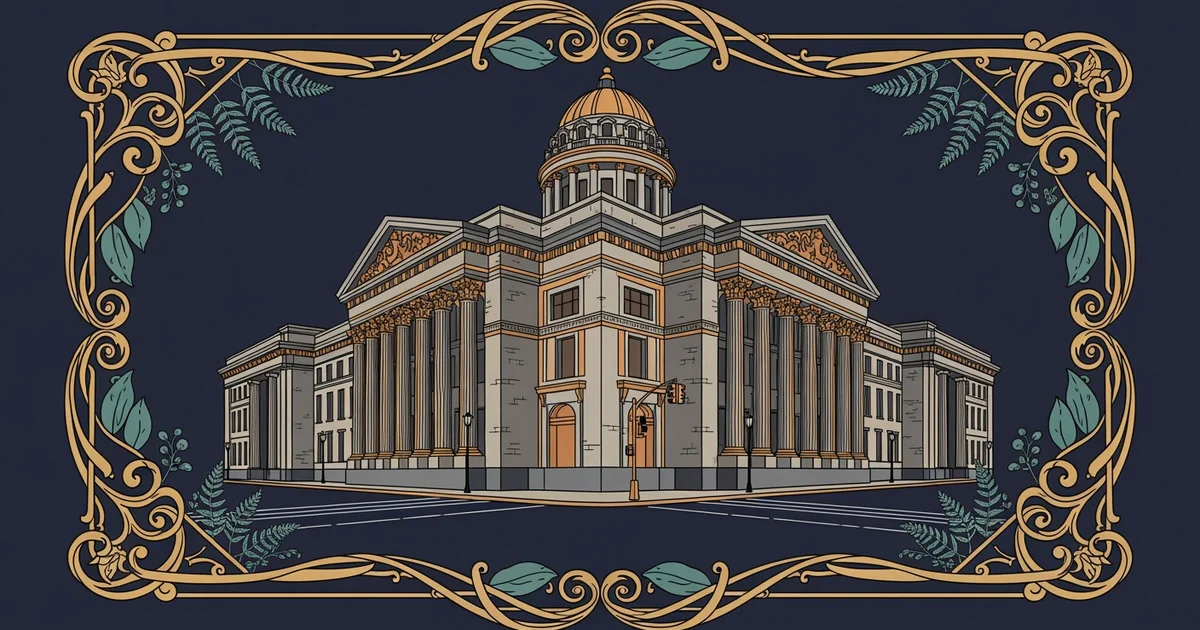
The Architecture of Social Interaction
Historically, the post office functioned as a primary civic hub where citizens gathered to exchange information and goods. Architects designed these spaces with high ceilings and wide lobbies to handle large crowds during peak hours of activity. This layout encouraged people to linger, talk, and observe their fellow residents while they waited for their turn. Much like a modern coffee shop, the post office provided a neutral ground for people of all backgrounds to meet.
Designers intentionally placed these buildings in the center of town to ensure easy access for all residents. By clustering essential services near the post office, planners created a natural gathering spot for the entire population. When you visit a historic post office today, notice how the central floor space invites movement and conversation. This architectural choice transformed a simple utility building into a vital center for social engagement and public life.
Key term: Civic hub — a central location designed to provide public services while fostering community interaction and social cohesion among residents.
Utility and Shared Public Space
While the primary goal of the post office remains the delivery of mail, its secondary role as a public utility is equally important. The building functions like a town square that operates indoors, protecting citizens from the elements while they conduct their daily business. This dual nature allows the post office to serve as a reliable anchor in an ever-changing urban landscape. When other businesses move or close, the post office often stays in place, providing a sense of stability.
To understand how these spaces serve the public, consider the following ways they facilitate daily life:
- The lobby provides a secure and dry environment where citizens can read notices, check community boards, and wait for services without needing to spend money.
- Wide entrance paths allow for heavy foot traffic, ensuring that the building remains a accessible point for people who rely on walking as their primary transport.
- Shared writing desks offer a dedicated space for citizens to fill out forms, fostering a sense of shared purpose among those who are working on their personal affairs.
These features ensure the building remains relevant even as digital communication changes how we send our letters. The physical presence of the post office reminds us that public space is essential for a healthy society. By maintaining these areas, cities preserve a tradition of face-to-face interaction that digital tools often fail to replicate.
| Feature | Social Purpose | Utility Benefit |
|---|---|---|
| Lobby | Meeting point | Shelter from weather |
| Counter | Direct contact | Service delivery |
| Notice board | Local news | Information sharing |
This table shows how physical elements of the post office support both social and practical needs. The lobby acts as a social space, while the counter serves the practical need of sending mail. Each part of the building works together to maintain a strong connection between the citizen and the state. As we study these historic spaces, we learn that good design serves the people just as much as it serves the function of the building itself. The post office remains a testament to the power of shared public space in our modern world.
Historic post offices function as essential community anchors that bridge the gap between individual utility and collective social interaction.
Next, we will explore how the aesthetic choices of the neo-classical era transformed these functional buildings into symbols of civic pride.