
Food Forest Architecture
When a small urban community in Seattle transformed a vacant concrete lot into a thriving food forest, they discovered that stacking plants vertically mimics the efficiency of a high-rise office building. Just as a city manages space by building upward to house more businesses, a designer uses vertical layers to pack more edible life into a single acre of land. This is the Permaculture Design approach from Station 11, which turns a flat, unproductive garden into a complex, self-sustaining ecosystem that functions like a wild forest. By organizing plants based on their height and light needs, you maximize the yield of every square foot without needing extra fertilizer or constant human labor.
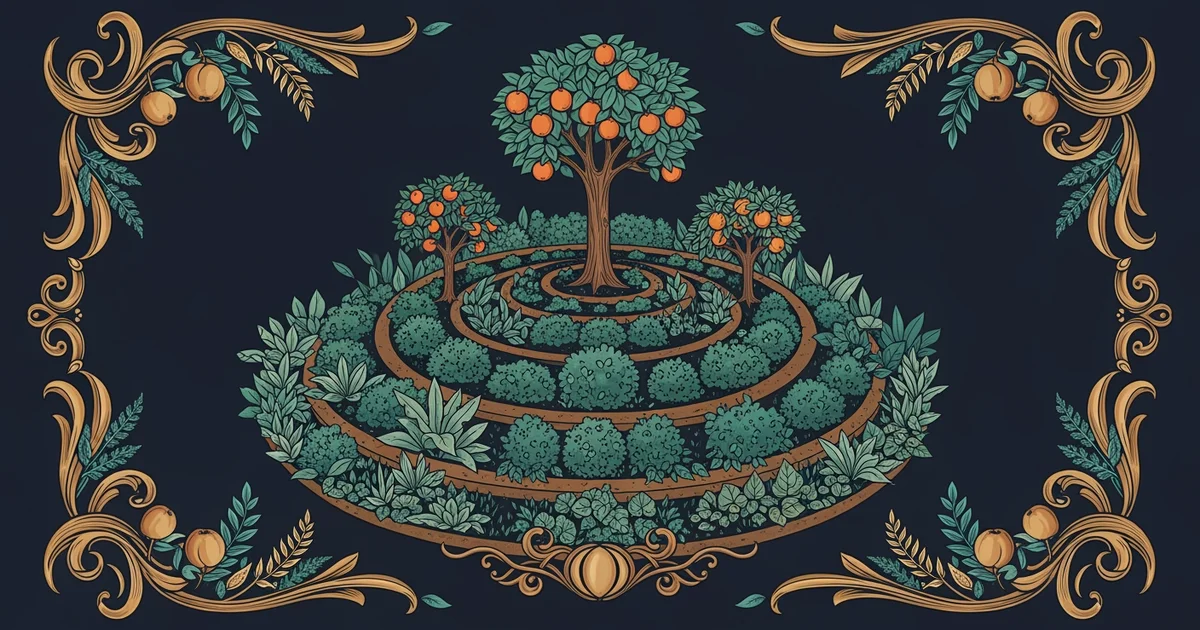
The Seven Layers of Forest Architecture
To build a functional food forest, you must arrange plants into specific vertical zones that capture sunlight at different levels. Think of this like a multi-level investment portfolio where different assets provide returns at different times of the year. The primary goal is to ensure that no sunlight hits the ground directly, as bare soil is a wasted resource that loses moisture and nutrients. By filling the space from the canopy down to the roots, you create a living system that recycles its own energy and supports a diverse range of beneficial insects and soil microbes.
Key term: Food Forest — an intentional planting of edible plants that mimics the architecture and self-sustaining nature of a natural woodland ecosystem.
When planning your layout, you should follow the traditional seven-layer model to ensure every niche is occupied. Each layer serves a unique role in the overall health of the system, from providing shade and shelter to mining deep nutrients from the subsoil. These layers work together to create a stable environment that resists pests and thrives throughout the changing seasons. The following list outlines the essential components that form the structure of a productive, mature temperate forest garden:
- The Canopy layer consists of large nut and fruit trees that form the tallest roof of the system, providing long-term structural stability.
- The Low Tree layer includes smaller fruit trees like peaches or apples that sit beneath the canopy and benefit from partial shade.
- The Shrub layer features berry bushes and currants which fill the mid-level space and provide high-yield harvests throughout the summer months.
- The Herbaceous layer is made up of perennial vegetables and medicinal plants that die back to the ground every winter season.
- The Rhizosphere layer focuses on root crops like potatoes and carrots that grow underground and improve soil structure through their expansion.
- The Soil Surface layer uses creeping plants and groundcovers to protect the earth from erosion while suppressing weeds through dense growth.
- The Vertical layer utilizes vines and climbers that scale the trunks of taller trees to reach sunlight without taking up extra ground space.
Optimizing Yield Through Strategic Integration
Designing this system requires a deep understanding of how different species interact within their specific vertical niche. Much like a business owner who must balance short-term cash flow with long-term capital growth, you must select plants that provide immediate food while others mature over several decades. If you only plant canopy trees, you will wait years for a harvest, but by integrating the lower layers, you get food within the first season. This balance ensures the system remains economically and ecologically viable while it grows toward its final, mature state of total self-sufficiency.
Proper design also requires that you consider the light requirements of each species as they grow into their designated layers. A sun-loving fruit tree will fail if it is planted beneath a dense canopy of walnut trees, so you must map your site based on existing sun patterns. By placing taller species on the northern side of your plot, you prevent them from casting long shadows that would kill the smaller plants in your southern zones. This careful spatial arrangement ensures that every plant receives the energy it needs to produce a healthy harvest for the community.
Designing a food forest requires layering plants vertically to capture maximum sunlight and create a self-sustaining ecosystem that mimics the structure of natural woodlands.
But this model becomes difficult to manage when invasive species begin to outcompete your carefully selected perennial crops.