
Edge Effect Theory
Imagine walking along a forest path where the dense woods suddenly meet a sunny, open meadow. You will notice that this specific area is buzzing with more types of birds, insects, and plants than the deep forest or the open field alone. This phenomenon is known as the edge effect, which describes the increased biodiversity found at the boundary between two distinct ecosystems. By intentionally creating these borders in our designs, we can boost the productivity and health of our human habitats significantly.
Understanding Boundary Dynamics
When two different environments meet, they create a unique zone that possesses characteristics of both neighboring systems. This transition area, often called an ecotone, allows species from both sides to thrive while also supporting specialized organisms that only live in these margins. Think of this like a busy street corner in a city where two different neighborhoods meet, bringing together a wider variety of shops, people, and services than either neighborhood could offer on its own. The overlap creates a richer, more complex environment that supports a greater abundance of life forms.
Key term: Edge Effect — the increased variety and density of species found at the junction where two distinct ecosystems overlap.
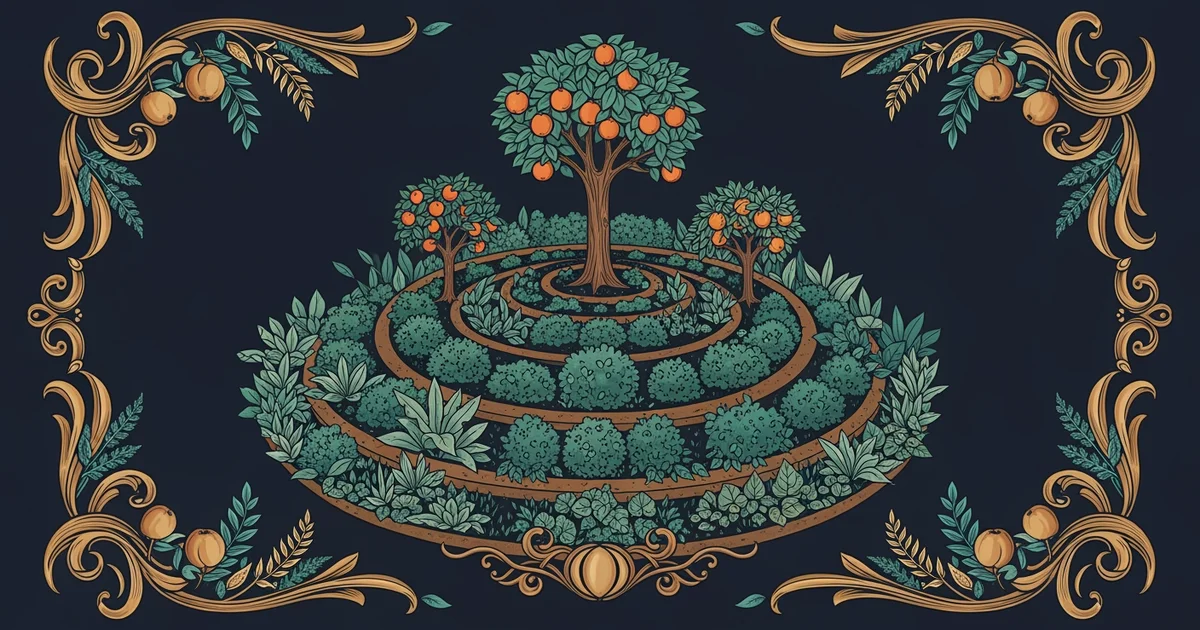
This increased activity happens because the boundary provides diverse resources that are not available in the interior of either habitat. For example, a bird might find the shelter of the forest for nesting while finding the abundant food sources of the meadow for hunting. Because these zones offer multiple resources in close proximity, they naturally attract a higher volume of life. Designers use this principle to maximize the potential of small spaces by creating more edges within a landscape. We can create these edges by adding features like ponds, hedgerows, or varied planting beds within a property.
Designing for Maximum Biodiversity
To effectively use the edge effect, we must understand how to create these transitions without disrupting the balance of the existing natural systems. Adding too many edges can sometimes fragment a habitat, which might harm sensitive species that require large, undisturbed areas to survive. Instead of simply creating more borders, we should focus on creating high-quality, productive edges that serve multiple functions. By layering different plant heights, water features, and textures, we build a complex web of life that makes our human habitats more resilient and self-sustaining.
We can organize these features by looking at how different environmental elements interact within a design:
- Structural edges provide physical complexity by using varied heights, such as placing tall trees next to short shrubs to create a layered canopy that captures more sunlight.
- Resource edges occur where two different types of land meet, like the shoreline of a pond, which provides both water for animals and fertile soil for aquatic plants.
- Microclimate edges develop where windbreaks or walls create protected, warm pockets that allow plants to grow in seasons when they usually would not thrive.
By carefully planning these transitions, we ensure that every square foot of the design is working to support the entire system. This strategy turns a flat, uniform space into a vibrant, multi-layered landscape that mirrors the complexity of a natural forest. When we increase the number of these productive junctions, we also increase the overall stability and output of the environment. The goal is to mimic nature by ensuring that our human spaces are not just static structures but active, living networks that grow and adapt over time.
The edge effect increases system productivity by creating rich, diverse transition zones that provide more resources for a wider range of life.
The next Station introduces water harvesting mechanics, which determines how these edge zones stay hydrated and productive throughout the changing seasons.