
Historical Design Movements
Imagine sitting on a chair that forces your body into a rigid, uncomfortable posture all day. You might wonder why some furniture feels like a natural extension of your body while others feel like a punishment. History shows that designers often shift between prioritizing strict visual beauty and focusing on the physical needs of the human form. Understanding these past shifts helps us see why modern offices and homes look exactly the way they do today. By looking at how previous eras solved these problems, we learn how to balance style with the reality of daily human movement.
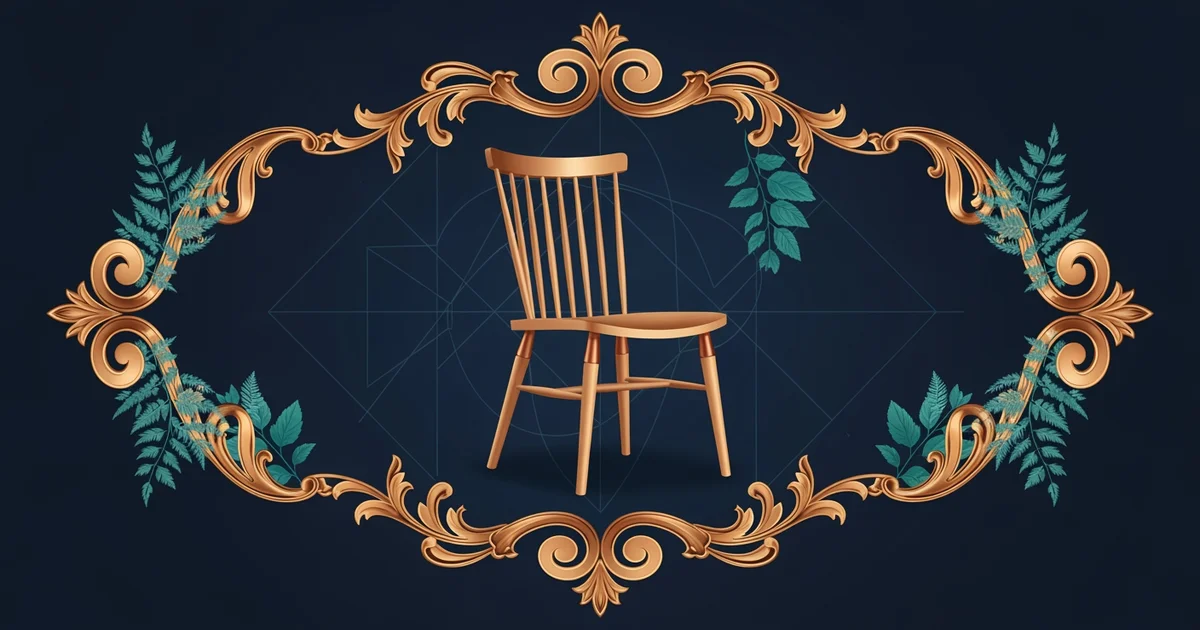
The Evolution of Design Styles
Design movements represent the collective ideas of creators who wanted to change how people interact with their surroundings. During the early twentieth century, the Modernism movement emerged as a direct reaction against the heavy, ornate decorations of the Victorian era. These designers believed that objects should serve a clear purpose rather than just looking expensive or fancy. They stripped away unnecessary carvings and focused on clean lines and simple shapes. Think of this like choosing a plain, high-quality tool over a decorative trinket that breaks easily. This shift prioritized efficiency, which remains a core goal for designers who create functional furniture for busy modern lives.
Following the rise of functionalism, many designers began exploring how industrial materials could change our living spaces. The Mid-Century Modern era brought new life into homes by using molded plastics, bent plywood, and thin metal legs. These materials allowed for mass production, making well-designed furniture affordable for average families for the first time. This transition proved that high-quality design did not have to remain a luxury reserved only for the wealthy elite. By embracing these new manufacturing methods, designers could create light, airy pieces that made smaller living spaces feel much larger and more open.
Key term: Industrial Design — the professional practice of designing products, devices, objects, and services that are manufactured through mass production.
To better understand how these styles compare across different priorities, we can examine their core focus areas:
| Movement | Primary Goal | Aesthetic Style | Material Focus |
|---|---|---|---|
| Victorian | Social Status | Heavy Ornament | Dark Woods |
| Modernism | Pure Function | Clean Lines | Steel and Glass |
| Mid-Century | Mass Access | Organic Shapes | Plastic and Plywood |
Balancing Aesthetics and Functionality
Designers today often face the same tension between making something look beautiful and making it work well. When a designer chooses a specific style, they are essentially choosing how they want the user to feel while using the object. If you prioritize visual flair, you might sacrifice the comfort that comes from proper support. If you focus only on utility, you might create a space that feels cold and uninviting to the people who use it. Successful design requires a delicate balance of these two forces to ensure that objects remain both usable and pleasant to look at over time.
Consider how your favorite chair performs its job during a long study session at your desk. If the chair uses a design from the past that ignored human anatomy, you will likely feel tired or sore after only an hour. Modern furniture design now integrates the lessons from these historical movements to avoid those old mistakes. We take the clean efficiency of the early modernists and combine it with the comfortable, human-focused shapes found in later eras. This combination creates a workspace that supports your health while also fitting the aesthetic style of your personal home environment.
By analyzing these movements, we identify the patterns that lead to long-lasting and effective design solutions. We see that every successful movement solved a specific problem for the people of its time. When we design for the future, we carry these lessons forward to ensure our creations serve us well. We must respect the history of these styles while also looking for ways to improve upon their limitations. This process ensures that we do not simply repeat the past but build a better foundation for our daily lives.
Historical movements provide a blueprint for balancing visual appeal with the practical needs of the human body.
Future design choices must consider how physical comfort and aesthetic style influence our daily interactions with the objects around us.