
The Purpose of Furniture Design
Imagine sitting on a chair that looks beautiful but makes your back ache after only five minutes. You quickly realize that a piece of furniture failing to provide comfort is essentially a sculpture rather than a seat. Designers must solve this tension between visual appeal and physical utility every time they create a new object. They transform raw materials into functional items by balancing how things look with how people actually use them. This process defines the purpose of furniture design in our daily lives.
The Balance of Utility and Form
When you interact with a desk or a bed, you are participating in a relationship between your body and the object. A designer must consider the human frame to ensure the item supports your weight and posture correctly. If a table is too high for your arms, it becomes frustrating to use regardless of its style. This functional requirement acts as the anchor for every creative decision a designer makes during the planning phase. Without this focus on human needs, the object loses its primary reason for existing in a home.
Key term: Ergonomics — the study of how to design objects to fit the physical capabilities and limitations of the human body.
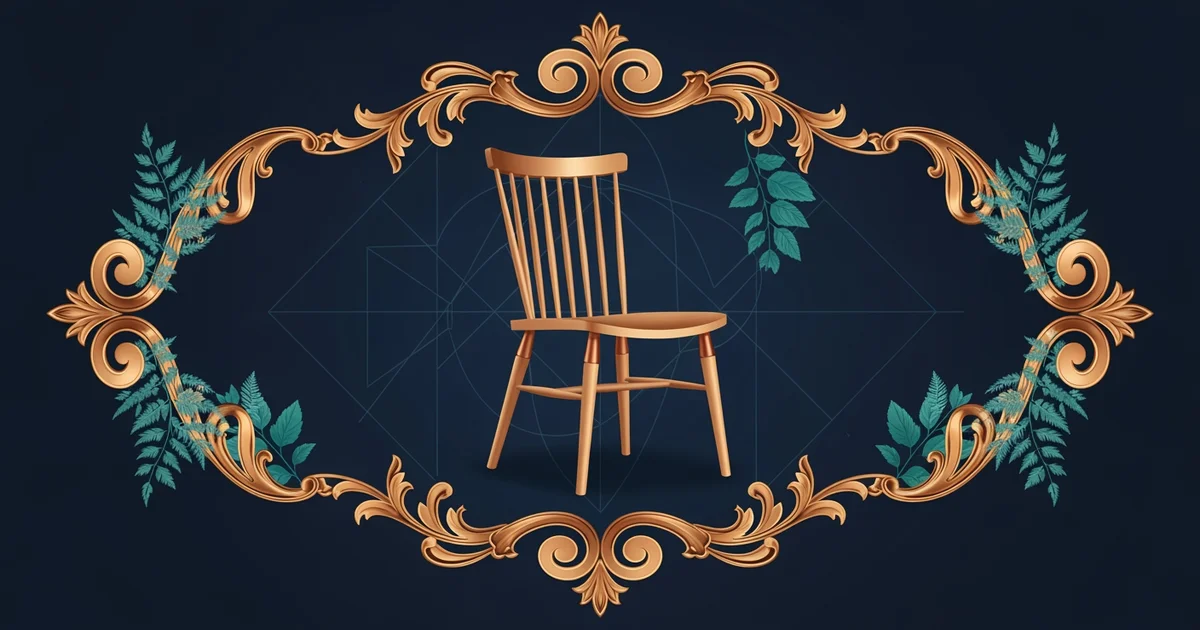
Designers often view their work as a bridge between art and engineering. Think of a chair like a pair of shoes that you wear while sitting down. Just as a shoe must protect your foot while allowing you to walk, a chair must support your spine while you rest. If the shoe looks great but causes blisters, you will stop wearing it immediately. Similarly, if a piece of furniture is uncomfortable, you will avoid using it despite its artistic beauty.
Materials and Their Functional Roles
Every raw material brings specific traits that influence how an object performs its intended job. Wood might offer warmth and strength, while metal provides structural rigidity for frames that carry heavy loads. Designers select these materials based on the environment where the furniture will live and the stress it must endure. The following table outlines how different materials contribute to the overall purpose of a design:
| Material | Primary Benefit | Typical Application | Influence on Design |
|---|---|---|---|
| Hardwood | Durability | Dining tables | Provides stability |
| Steel | High strength | Desk bases | Allows thin shapes |
| Plastic | Flexibility | Stackable chairs | Enables complex curves |
These choices are not random decisions made for aesthetic reasons alone. A designer must account for how a material reacts to daily wear and tear over many years. For instance, using a soft wood for a high-traffic surface would lead to dents and scratches quickly. By choosing the right material, the designer ensures the object remains useful and attractive for a long time. This foresight protects the investment of the person who eventually buys the furniture.
Professional designers also consider how furniture shapes the flow of movement within a room. A large sofa might anchor a living space, but it must not block the natural path people take to walk through the area. This spatial awareness is just as important as the comfort of the furniture itself. When designers balance these needs, they create environments that feel natural and welcoming to everyone. They turn empty spaces into functional areas that support our daily routines and social interactions.
Furniture design succeeds when it harmonizes the physical needs of the human body with the practical demands of the surrounding environment.
By understanding these core goals, you will be prepared to explore how historical design movements have shaped the way we see furniture today.