
Introduction to Resilience
Imagine a tall skyscraper swaying like a tree during a heavy storm while remaining perfectly intact. This is the goal of modern engineering when we design buildings that face extreme environmental stress. We often think of buildings as rigid and unmoving, but the best designs actually mimic the flexibility found in nature. By allowing a structure to absorb and dissipate energy, engineers ensure that a building survives forces that would otherwise cause a total collapse. This approach shifts our focus from mere strength to the idea of long-term endurance. We must understand how to balance rigid materials with flexible joints to protect both the structure and the people inside.
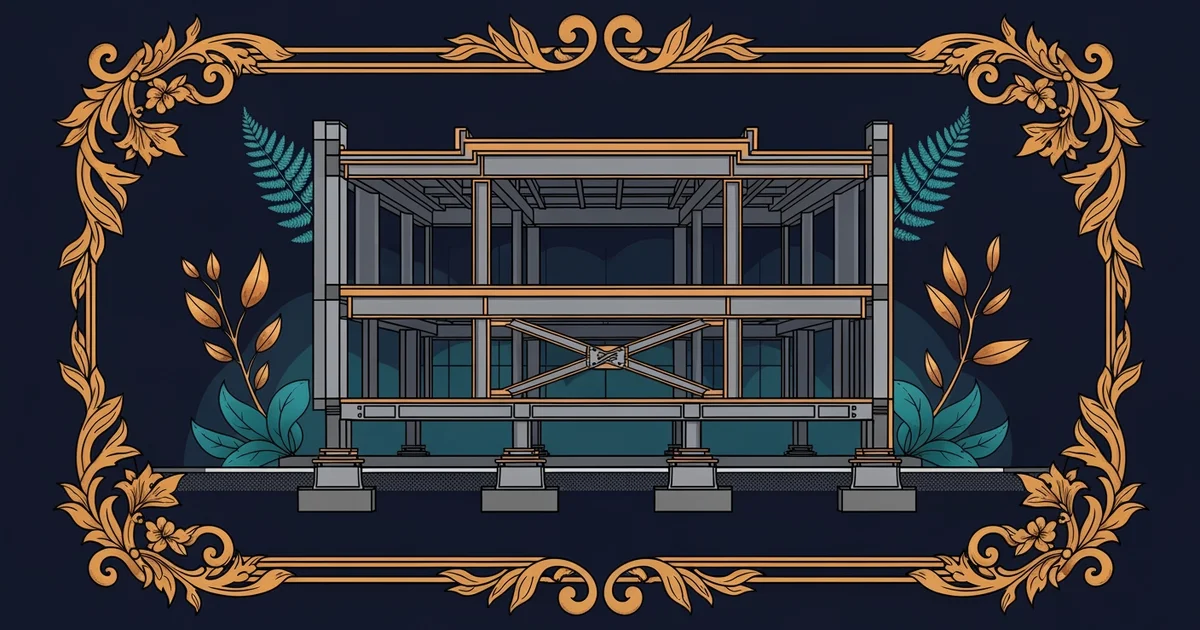
The Philosophy of Structural Endurance
When we discuss resilience, we are talking about the capacity of a built environment to withstand, recover, and adapt to sudden shocks. Think of a professional athlete who trains to recover quickly from a minor injury rather than just trying to be the strongest person in the gym. If a building is too rigid, it will snap under the pressure of a massive earthquake or high winds. By building in layers of flexibility, we allow the structure to bend slightly without failing. This design philosophy recognizes that nature is unpredictable, so we create systems that can absorb impact. Every material choice, from the steel in the frame to the concrete in the foundation, plays a vital role in this cycle of endurance.
Key term: Resilience — the ability of a structure to absorb environmental stress and maintain functionality during or after a disaster.
Many people assume that adding more weight or thicker walls makes a building safer during a disaster. In reality, adding excessive weight often increases the force that a structure must endure during ground movement. Instead of simply piling on more material, designers focus on the way energy moves through the building frame. They use specific strategies to manage this energy flow effectively:
- Energy dissipation systems use mechanical dampers to turn kinetic energy into heat, which prevents the building from oscillating too violently during a storm.
- Base isolation technology decouples the building from the ground, which allows the foundation to move independently while the upper structure remains relatively stable and secure.
- Redundant load paths ensure that if one support beam fails, the weight of the building is safely redistributed to other structural elements nearby.
Balancing Flexibility and Strength
Designing for these forces requires a deep understanding of how different materials behave when they face extreme tension or compression. If we compare a building to a financial portfolio, we can see why diversity is essential for success. A portfolio that holds only one type of asset is highly vulnerable to market crashes, just as a building made of only one rigid material is vulnerable to sudden fractures. By mixing materials that handle tension well with those that handle compression well, we create a balanced system. This balance ensures that the building does not reach a point of failure even when the external environment changes rapidly.
| Design Strategy | Primary Goal | Benefit to Structure |
|---|---|---|
| Flexibility | Absorb movement | Prevents brittle cracks |
| Redundancy | Backup support | Stops total collapse |
| Isolation | Reduce input | Keeps interior stable |
These strategies allow architects to create spaces that serve their purpose while remaining safe for decades. We look at the building as a living system that needs to breathe and move with the earth. This foundation of knowledge prepares us to analyze specific natural forces in our next steps. By mastering these core principles, we gain the ability to envision structures that stand the test of time.
Resilience is not about building an unbreakable object, but rather creating a flexible system that manages energy to prevent catastrophic failure.
This path provides you with the essential tools and design frameworks needed to build structures that endure when the earth shakes or the wind howls.