
The Lifecycle Perspective
Imagine you are trying to repair a broken smartphone that is glued shut with permanent adhesive. You quickly realize that the design prevents any access to the internal parts for simple repairs. This frustrating experience highlights why we must shift our focus toward a complete lifecycle view of every product. By understanding how items move from raw materials to final disposal, we can build things that last. This approach helps us avoid the cycle of constant waste that defines our current consumer habits.
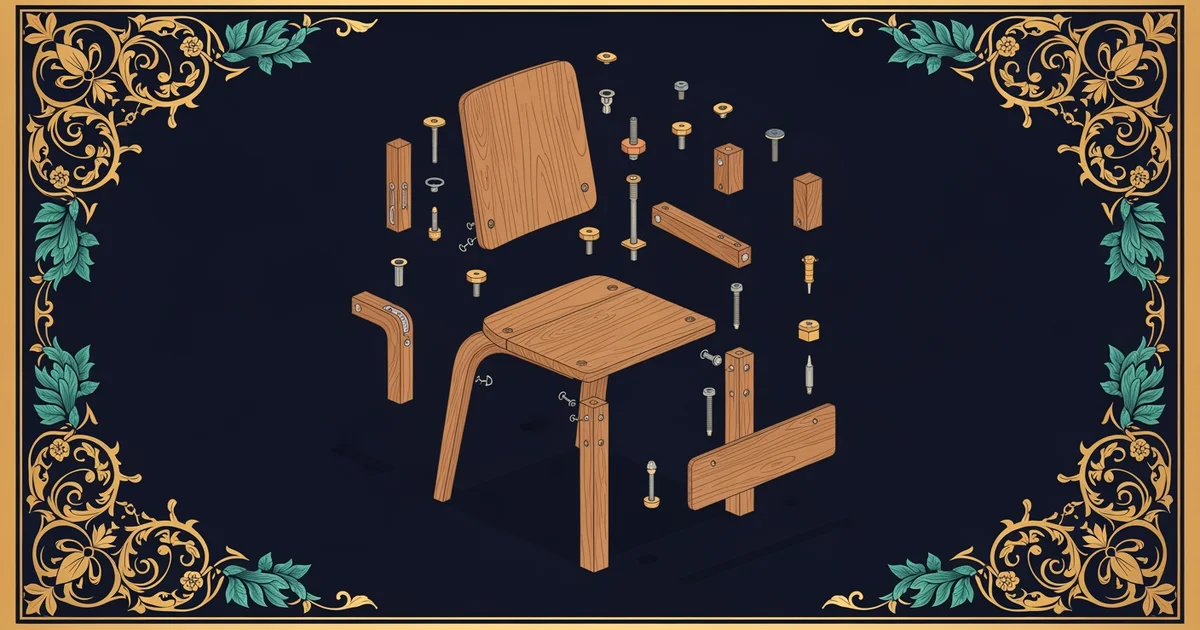
Understanding the Product Journey
When we look at the full life of a product, we see it as a continuous loop. This path begins with the extraction of raw materials from the earth. These materials are then processed into parts and assembled into a finished consumer good. Once the product reaches the end of its useful life, it often ends up in a landfill. A circular model changes this by keeping materials in use for as long as possible. We must treat every resource as a valuable asset that deserves a second life.
Key term: Linear economy — a model where raw materials are extracted, used for a short time, and then discarded as waste.
Think of this process like a relay race where every runner must safely pass the baton to the next person. If one runner drops the baton or breaks it, the entire race stops for everyone involved. In our manufacturing systems, the baton represents the valuable materials inside our products. If we design these items to be easily taken apart, we ensure the materials can move to the next stage. This keeps the race going indefinitely without needing a constant supply of new, raw materials.
Mapping the Phases of Use
To manage this cycle, we must map out every phase a product goes through during its existence. Each stage offers a unique opportunity to improve how we handle materials and energy. By identifying these phases, designers can make better choices about assembly methods and material choices. This planning prevents us from creating products that are impossible to recycle or fix later on.
| Phase | Primary Action | Goal for Sustainability |
|---|---|---|
| Extraction | Mining resources | Lowering total impact |
| Production | Making parts | Using modular designs |
| Usage | Daily operation | Enabling easy repairs |
| Recovery | Taking apart | Saving raw materials |
We can organize these phases into clear steps that guide our design process. These steps help us see where we lose value and how to stop that loss:
- The design phase sets the rules for how a product will eventually be taken apart by workers.
- The manufacturing phase determines which adhesives or fasteners will either block or allow future disassembly tasks.
- The maintenance phase relies on accessible parts to ensure the product keeps working for many years.
- The recovery phase focuses on separating components so they can be turned into brand new items.
By following these steps, we move away from the old "take-make-waste" mindset that causes so much environmental harm. Each phase acts as a checkpoint for quality and long-term value. When we design for disassembly, we are essentially planning for the product's future before it is even built. This foresight is the most important tool we have for reducing global waste levels. We must prioritize these methods if we want to build a truly sustainable future for everyone.
Designing for the full lifecycle ensures that valuable materials remain in use rather than becoming permanent trash.
Our next step involves exploring how we can recover these materials to create new products without damaging the earth.