
Integrating Biology and Art
Imagine you are staring at a portrait and feel an instant, deep connection to the subject. This reaction often stems from ancient survival instincts that guide our visual preferences in the modern world. We do not just see shapes and shadows when we look at a human face. Our brains process biological signals that tell us about health, vitality, and genetic fitness in seconds.
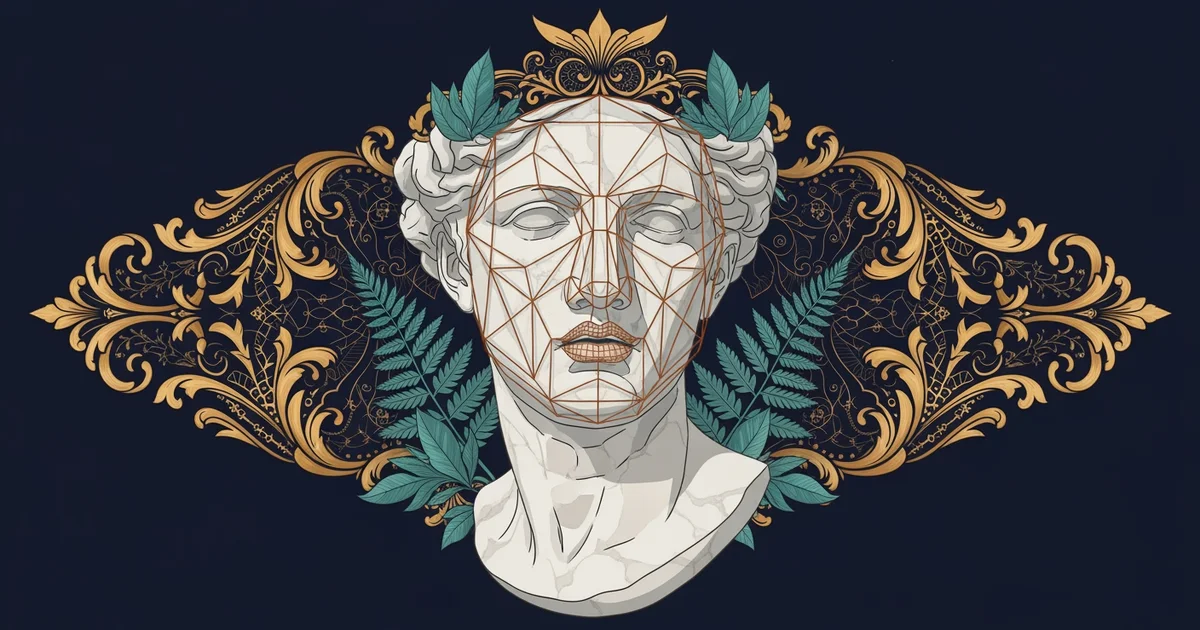
The Intersection of Biology and Artistic Expression
Artists have long used intuition to capture what makes a face feel beautiful or compelling to viewers. By understanding the science behind these reactions, portrait artists can refine their techniques to create more impactful images. When an artist paints a face, they are essentially curating a set of biological cues that the human brain is hardwired to recognize. This process involves balancing realistic anatomy with the psychological needs of the observer. Think of it like a chef balancing flavors in a dish to trigger a specific sensory response. The artist acts as the chef, while the facial features are the ingredients that determine the final emotional impact.
Key term: Evolutionary Aesthetics — the study of how human preferences for beauty are shaped by natural selection and survival advantages.
Integrating these biological theories requires a shift in how we approach the canvas or the digital screen. We must move beyond simple observation to understand the underlying messages our features project to others. For instance, symmetry often signals developmental stability, which the brain interprets as a marker of good health. Artists can emphasize these subtle signals to make a subject appear more attractive or trustworthy. This does not mean every portrait must be perfect or symmetrical to be effective. Instead, it means the artist makes conscious choices about which biological signals to highlight or soften for their specific goal.
Strategies for Modern Portraiture
Creating a comprehensive approach to portraiture means blending technical skill with an understanding of human perception. Artists must decide how to balance the raw reality of a face with the idealized versions we see in media. This tension between the real and the ideal is where the most interesting artistic work happens today. We can categorize the main elements of this biological-artistic synthesis into three distinct areas that influence how viewers react to portraits:
- Feature Proportions act as a primary signal for health and age, helping the viewer quickly determine the subject's life stage and general vitality levels.
- Skin Texture and Tone provide immediate data about a person's physical condition, as clear skin often signals immune strength and proper nutrition to the subconscious mind.
- Expression and Eye Contact create an emotional loop, where the subject's perceived intent or mood triggers a corresponding feeling in the person viewing the art.
These elements do not function in isolation when you are building a portrait. They work together to form a narrative that the viewer constructs within their own mind. By manipulating these variables, artists can guide the viewer toward a specific emotional or intellectual conclusion. If an artist wants to convey strength, they might sharpen the jawline and increase the contrast around the eyes. If they want to convey vulnerability, they might soften the lighting and focus on the softness of the skin tones. This intentionality turns portraiture from a simple recording of a face into a complex communication tool.
We must also consider how these biological signals interact with cultural expectations learned over a lifetime. While our evolutionary roots provide the foundation, our experiences build the house on top of that ground. An artist who understands both the universal biological triggers and the specific cultural context can create work that resonates on multiple levels. This dual approach allows for a deeper connection between the art and the person looking at it. It transforms the act of viewing from a passive experience into an active engagement with human nature itself. As we look to the future, this synthesis will likely become even more important for artists working in digital spaces.
The most effective portraits are those that intentionally balance universal biological signals with the unique emotional narrative of the subject.
The next phase of our journey explores how technology might soon change our definitions of beauty forever.