
Digital Retouching Ethics
In 2014, a major fashion magazine released a cover photo where the model appeared to have an impossible waistline. This extreme edit sparked a global debate about the responsibility of photographers to represent human reality. This tension reflects the core conflict of digital image manipulation today. We must balance artistic vision against the need for authentic human representation in media. When we adjust pixels, we change how people perceive their own bodies and the world around them.
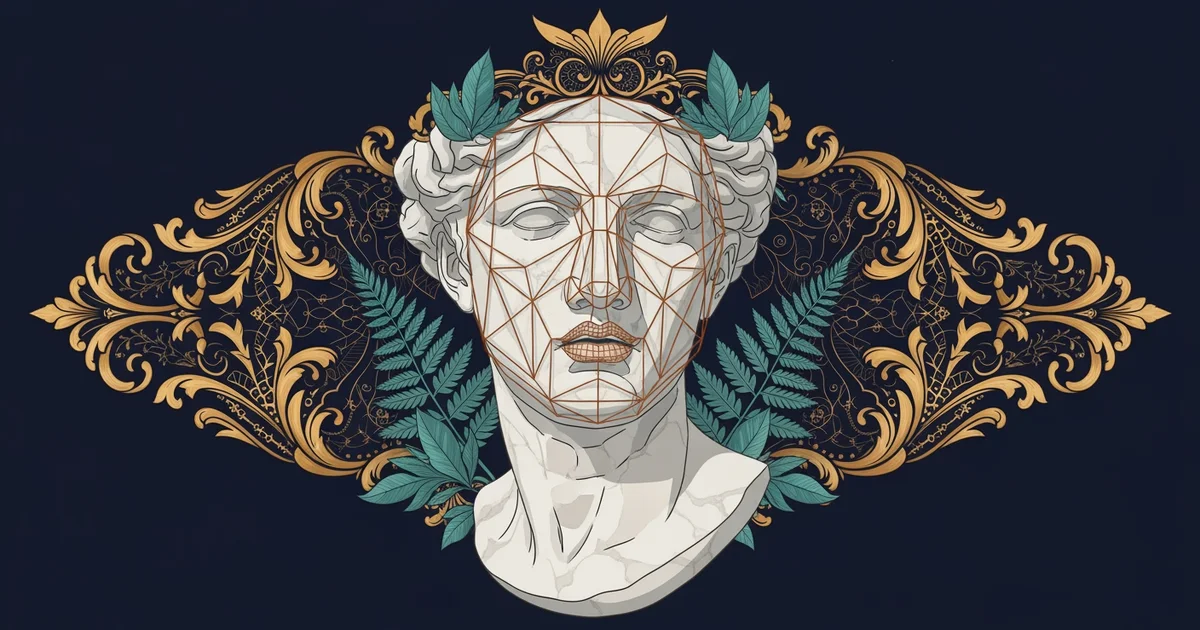
The Mechanics of Digital Enhancement
Digital retouching involves modifying a photograph to improve its aesthetic appeal or to alter the subject entirely. Artists use software tools to smooth skin textures, change body proportions, or remove distracting background elements. This process is like applying a coat of paint to a house to hide cracks in the foundation. The paint makes the surface look perfect, but the structural issues underneath remain exactly as they were before. By shifting light and shadow, editors create a version of reality that exists only inside the computer screen. This practice often relies on digital alteration, which refers to any software-based change made to an original image file to enhance its visual impact.
Key term: Digital alteration — the process of using software to modify an image from its original captured state for specific aesthetic goals.
When we edit photos, we often prioritize visual perfection over the truth of the original captured moment. This preference for polished images creates a standard that few real people can actually achieve. The gap between a retouched image and a real face is where the ethical dilemma begins to grow. If we constantly view images that have been smoothed and reshaped, our brains begin to accept these edits as the normal human standard. This shift in perception can lead to negative feelings about natural beauty and physical appearance. We must recognize that every edit carries a hidden cost to our collective sense of realism.
Ethical Boundaries in Modern Photography
Photographers and editors must decide where to draw the line between necessary cleanup and deceptive manipulation of the subject. A small adjustment to remove a stray hair is very different from changing the structure of a jawline. To navigate these choices, professionals often use a set of guiding principles to ensure their work remains fair.
Consider the following categories of common image adjustments and their typical impact on the final portrait:
- Technical correction: These edits fix minor camera errors like lens dust or exposure issues to show the subject clearly.
- Aesthetic enhancement: These changes improve the mood of the photo by adjusting colors or lighting without altering the subject.
- Structural modification: These heavy edits change the physical shape of a person, which often crosses the line into deception.
Most audiences accept minor technical fixes because they help the viewer see the portrait more clearly without distraction. However, structural modifications often trigger a sense of distrust because they present a false version of the human body. This is a clear application of the ethics of representation from Station 11, where we discussed how lighting choices affect viewer trust. When an editor chooses to reshape a nose or shrink a waist, they are no longer just capturing light. They are actively creating a fantasy that may cause harm to the viewer's self-esteem or body image.
Balancing these choices requires a clear commitment to honesty in the creative process. If we choose to edit, we should be transparent about the changes made to the original file. This honesty builds a stronger connection between the photographer and the audience who views the final work. By valuing the truth, we maintain the integrity of the photographic medium as a tool for capturing reality. We must treat every pixel with the same care we give to the human subject in front of the lens.
True beauty in photography relies on the balance between artistic enhancement and the honest representation of human features.
But this balance becomes much harder to maintain when we introduce makeup and feature emphasis techniques.