
Balance and Stability
Imagine you are stacking heavy river stones to build a tall, thin tower on the beach. If you place a stone slightly off to one side, the entire structure will tumble down into the sand. Creating physical art requires a deep understanding of how objects hold their position in space without falling over. Balancing elements in three dimensions involves more than just luck or steady hands during the construction process. You must learn to manage the invisible forces pulling your sculpture toward the ground at all times.
Understanding the Center of Gravity
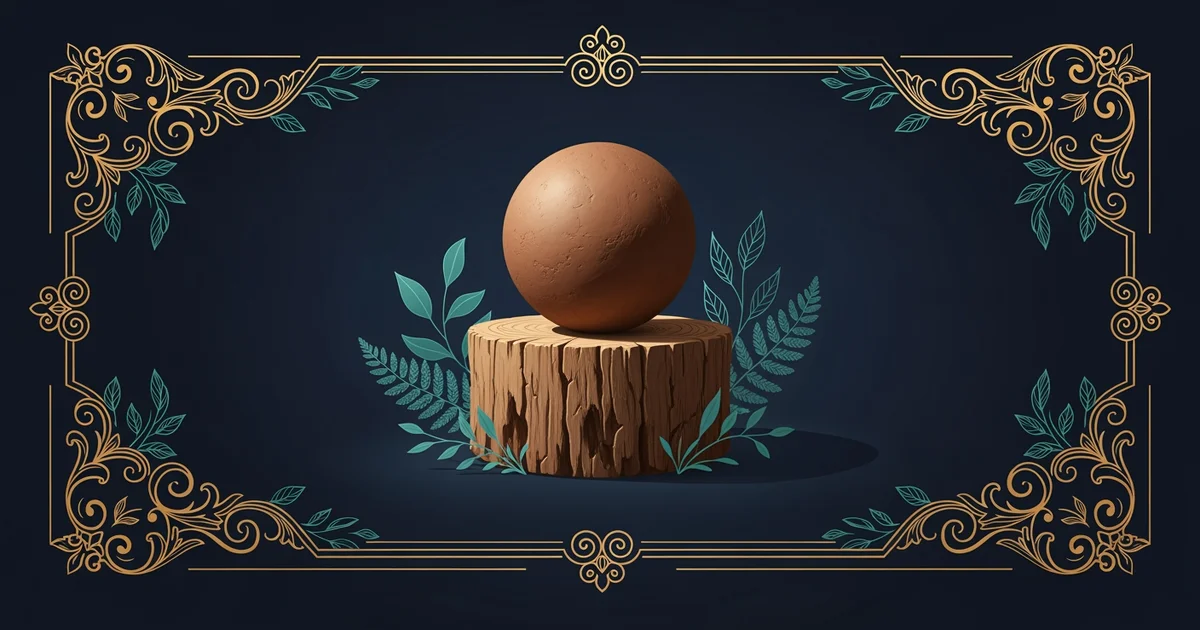
When you build a sculpture, you are fighting against the constant downward pull of gravity. Every object has a center of gravity, which is the single point where the total weight of the object is perfectly balanced. If this point sits directly over the base of your sculpture, the piece will remain stable and upright. When the center of gravity shifts outside the footprint of your base, the sculpture loses its equilibrium and tips over. Artists must calculate this point early to ensure their work does not collapse under its own weight.
Think of this balance like a person walking on a tightrope while holding a long pole. The pole helps the walker adjust their weight to keep the center of gravity centered on the rope. If the walker leans too far left, they shift the pole to the right to compensate for the movement. A sculpture works in a similar way because the distribution of mass determines if the object stands firm. You can adjust the stability of your design by adding counterweights to the opposite side of a lean.
Techniques for Structural Stability
To keep your work standing, you should consider the following methods for managing weight and force:
- Broadening the base provides a wider area for the center of gravity to land safely — this prevents tipping by giving the sculpture more room to shift without falling over.
- Lowering the mass helps by concentrating the heaviest materials near the floor — this keeps the overall center of gravity closer to the ground where it is naturally more stable.
- Triangulating supports creates rigid shapes that resist bending or twisting under pressure — these three-point structures are the strongest geometric forms for holding up heavy or uneven loads.
These strategies allow artists to push the limits of what their materials can actually do. You might want to build a tall, thin figure that defies expectations by balancing on one tiny foot. To achieve this, you must hide a heavy internal weight inside the foot to pull the center of gravity down. Without these internal mechanics, the sculpture would lack the structural integrity needed to survive in a gallery space. Stability is not just about the look of the art but the hidden physics keeping it upright.
| Strategy | Primary Benefit | Best Use Case |
|---|---|---|
| Wide Base | High Stability | Large sculptures |
| Low Mass | Firm Foundation | Tall, thin pieces |
| Triangles | Structural Rigidity | Complex frameworks |
Using these tools, you can experiment with more daring shapes while maintaining control over your creation. Every material has a unique density that changes how you must balance your work during assembly. Metal, for example, is much heavier than wood or foam, requiring stronger supports to prevent bending. By testing your center of gravity throughout the building process, you avoid the frustration of a late-stage collapse. This mechanical approach turns your artistic vision into a reality that can stand the test of time.
Successful sculpture design relies on keeping the center of gravity positioned directly above the base to ensure stability.
Now that you understand how gravity impacts your work, how do you use empty space to change the visual weight of your sculpture?
Want this with sources you can check?
Premium Learning Paths for Visual Arts & Photography are researched against open-access libraries — PubMed, arXiv, government databases, and more — with their distinctive claims cited to real sources and independently checked.
See what Premium includes