
Symmetry and Balance
Imagine you are trying to balance a heavy wooden beam on a narrow stone wall. If you place the center point exactly on the edge, the weight stays still because both sides weigh the same. This simple act of finding a center point is exactly how artists approach the visual weight of an image. Whether you are taking a photo or painting a scene, you must decide how to distribute your subjects to create a sense of order. Achieving this balance helps the viewer feel comfortable as they look at your work. Without a clear strategy for placement, a composition can feel messy or confusing to the human eye. Learning to control this weight allows you to guide the audience exactly where you want them to look.
Understanding Symmetrical Balance
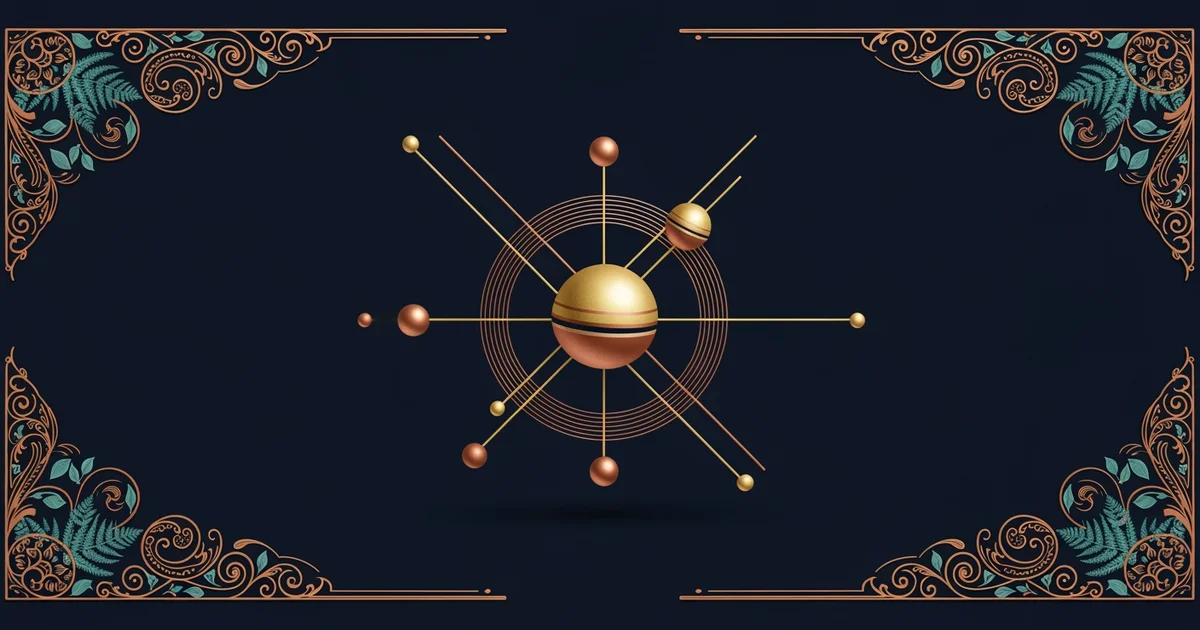
When you create a composition where both sides are mirror images, you are using symmetrical balance. This approach relies on a central axis that divides the image into two equal halves. Because the elements on the left match the elements on the right, the result is very calm and predictable. Imagine a classic building where identical windows line up on each side of the front door. This structure feels formal and stable because the eye does not have to work hard to process the scene. Many artists use this style to show power, order, or deep importance in their subjects.
While symmetry is easy to spot, it can sometimes feel a bit static or boring if overused. Think of it like a perfectly set dinner table where every fork and spoon has a matching partner on the other side. It is very orderly, but it lacks the energy that comes from movement or surprise. If you want to use symmetry, you should ensure the subject matter is strong enough to hold that level of attention. A centered portrait or a mountain reflected in a still lake are great examples of how symmetry creates a peaceful, frozen moment in time.
Mastering Asymmetrical Balance
When you want more energy, you should explore asymmetrical balance to keep the viewer engaged. This method does not rely on matching sides but instead balances different elements based on their visual weight. A large, dark object on one side might be balanced by two smaller, lighter objects on the other side. It is similar to a seesaw at a playground where a heavy adult sits close to the center while a lighter child sits further out. By adjusting the distance from the middle, you can create a composition that feels stable despite the lack of direct mirroring.
Asymmetrical balance feels more natural and dynamic because it mimics how we see the real world. Most scenes in nature are not perfectly mirrored, so our brains are used to finding harmony in variety. You can balance visual weight using several different strategies to make your images feel complete:
- You can use size to create balance by placing a large object against a cluster of smaller, detailed items that catch the eye.
- You can use color intensity by placing a small, bright red object against a large area of soft, muted gray tones.
- You can use texture by placing a rough, busy area of detail against a large, smooth, and empty space in the frame.
Using these tools helps you manage where the viewer looks first and how long they stay there. You are essentially building a map for the eye to follow through the frame. This method makes your art feel alive and active rather than stiff and staged. When you master the balance of these different weights, your compositions will naturally feel more professional and intentional. You will find that even chaotic scenes can feel balanced if you distribute the visual interest with care and purpose.
Visual balance is the strategic distribution of elements to ensure that an image feels stable and intentional rather than heavy or lopsided.
The next Station introduces negative space usage, which determines how empty areas support your balanced subjects.