
Layering Techniques
Imagine looking through a clean window at a busy city street below your apartment. You see the cars, the people, and the signs all occupying different distances from your eyes. This sense of space happens because your brain processes the foreground, the middle ground, and the background as distinct zones. Artists create this same feeling of depth by using layering techniques in their mixed media projects. By stacking materials, you build a physical and visual history that invites the viewer to look closer. When you treat your canvas like a window, you turn a flat surface into an immersive experience that feels real.
Building Depth Through Physical Stacking
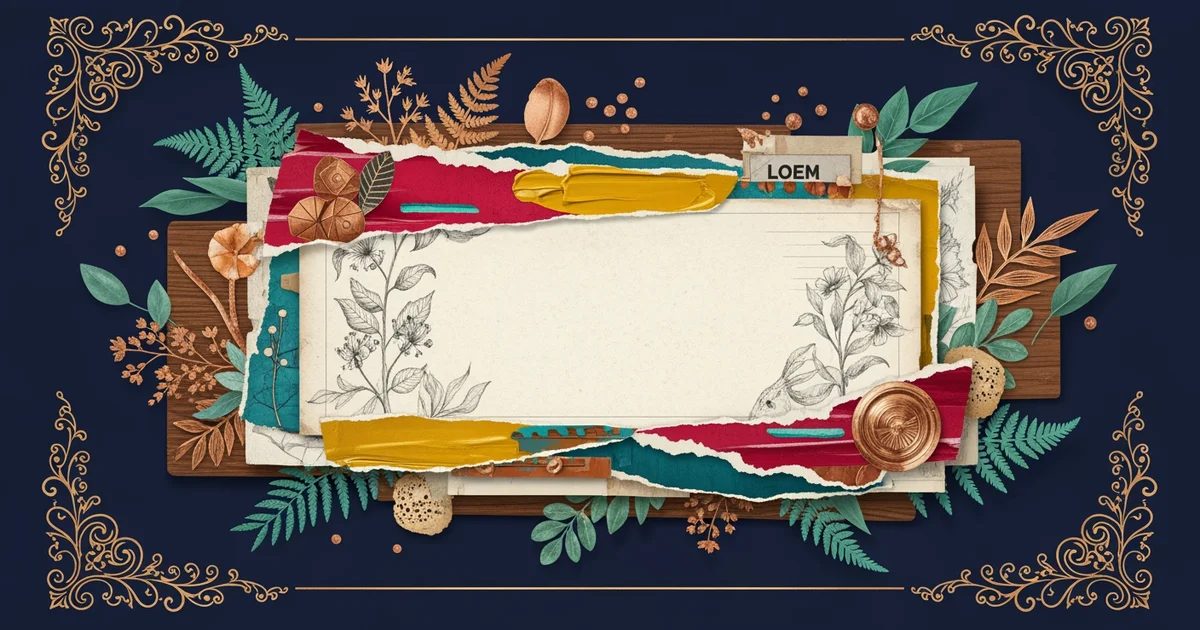
To begin creating depth, you must think about how each material occupies space on your surface. When you apply a thick layer of paint or glue down a piece of textured paper, you are physically raising that area above the rest of the canvas. This creates a shadow effect when light hits the work from the side. Think of this process like building a house with multiple floors. The foundation supports the structure, while each additional story adds height and complexity to the overall design. You should prioritize placing your most opaque or solid elements first to establish a strong base for your composition.
Key term: Layering — the artistic process of applying multiple levels of materials to create a sense of physical and visual depth.
Once your base is set, you can introduce thinner materials that interact with the layers underneath. Using translucent papers or washes of paint allows parts of the bottom layers to peek through the top. This creates a sense of mystery because the viewer cannot see the entire surface at once. This technique is similar to managing a budget where you pay for fixed costs first and then use the remaining funds for flexible items. You must plan your sequence carefully so that your most important visual elements remain visible even after you add new materials on top.
Managing Visual Relationships
After establishing your physical layers, you must ensure that the visual elements work together to guide the viewer. If you clutter every layer with heavy details, the final piece will look chaotic rather than deep. You should use a variety of techniques to manage how the eye moves across the different levels of your work. The following list explains how to balance these elements effectively:
- Contrast helps define boundaries between layers by using light and dark values to make specific shapes stand out against the background.
- Transparency allows you to blend multiple colors or textures into a single area without hiding the work you completed in earlier stages.
- Focus points draw the viewer into the deepest part of the composition by using sharp details that contrast with the softer, blurred edges of the surrounding layers.
By carefully applying these methods, you transform a flat piece of paper into a complex landscape. You are not just adding paint or paper; you are creating a narrative that unfolds as the viewer changes their perspective. If you place a bright, sharp object on top of a dark, blurry layer, you create an immediate sense of distance. This simple interaction is the secret to making your art feel like a real environment rather than a collection of random parts. Always step back to view your work from a distance to see if the layers are working together.
Layering creates a sense of space by using physical height and visual transparency to guide the viewer through a multi-dimensional artistic narrative.
The next Station introduces texture and form, which determines how those layers interact with light and physical touch.