
The Future of Visual Storytelling
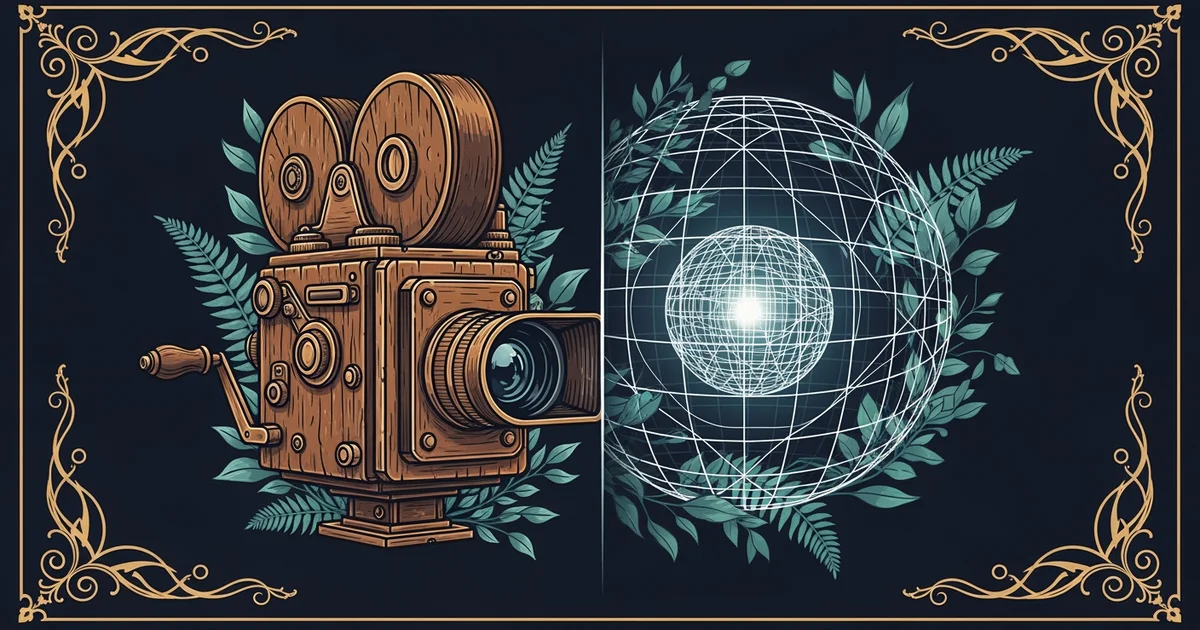
Imagine a filmmaker who crafts an entire world using only a computer screen, rather than building physical sets or hiring hundreds of workers. This shift represents the final frontier of movie production where digital tools replace physical limitations entirely. The magic of movie illusions has evolved from heavy wooden props and painted backdrops to complex lines of code that behave like real light. By mastering these digital environments, artists now create entire realities that exist only within a server, changing how we view every frame of a modern film.
The Evolution of Digital Environments
We previously explored how procedural environment design allowed creators to build vast landscapes using algorithms rather than manual sculpting. This method acts like a digital architect, where the computer follows specific rules to grow forests or design cities, saving massive amounts of time. When we compare this to older physical methods, we see a clear trade-off between tactile control and infinite scalability. While physical sets offered a tangible presence for actors, digital environments provide a level of detail that would be impossible to build by hand. This transition marks the point where the artist becomes a curator of simulated physics rather than a builder of physical objects.
Key term: Photorealism — the practice of creating computer-generated imagery that is indistinguishable from real-world photography to the human eye.
To understand the future, we must look at how these tools interact. We previously learned about the shift from physical sets to pixels, which fundamentally changed the role of the lighting technician. In the past, a technician physically moved lamps to create mood, but today, they manipulate digital light sources within a virtual space. This is much like a baker who stops kneading dough by hand and instead programs a precise machine to handle the chemistry of the bread. The baker still oversees the quality, but the physical labor has shifted into a process of managing complex, automated systems.
Future Trends in Visual Storytelling
As we look forward, the industry is moving toward real-time rendering, where computers generate high-quality visuals instantly as the camera moves. This allows directors to see the final result while they are still on set, rather than waiting weeks for post-production teams to finish the work. The following list highlights the primary shifts we expect to see in the coming years of visual production:
- Virtual production stages allow actors to perform in front of massive LED screens that display live, rendered environments, ensuring that the lighting on their faces matches the digital world perfectly.
- Artificial intelligence will likely automate the tedious tasks of rotoscoping and background cleanup, which currently take thousands of hours of manual labor for human editors.
- Cloud-based collaboration tools enable artists from different countries to work on the same digital asset simultaneously, creating a global workflow that never sleeps or pauses for time zones.
These changes suggest that the future of storytelling relies on the balance between human creativity and machine efficiency. We must ask ourselves if the soul of a story remains intact when the environment is entirely synthetic. If we can generate any reality we imagine, how do we decide which stories are worth telling? This remains the unresolved tension in our field, as the barrier to entry for creating high-quality visuals continues to drop for everyone.
| Technology | Primary Benefit | Main Challenge |
|---|---|---|
| Real-time Rendering | Immediate feedback | High computing cost |
| AI Automation | Faster workflow | Loss of artistic nuance |
| Cloud Production | Global access | Security risks |
This table shows that while we gain speed and accessibility, we often trade away the fine control that human artists once held over every single pixel. The future of visual storytelling will likely involve a hybrid approach where human intuition guides the machine, ensuring that the technology serves the story rather than replacing the storyteller's vision.
The future of visual storytelling lies in the seamless integration of human creative intent with the infinite scalability of automated digital systems.
Mastering the visual craft requires understanding how to blend these new digital tools with the timeless principles of human emotion and narrative structure.