
Defining Social Welfare Systems
Imagine you lose your job suddenly and have no money to pay for your next meal. You might worry about how you will survive until you find new work to pay your bills. This fear is a common human experience that societies have tried to solve through organized support systems. These systems exist to ensure that people do not fall into extreme poverty when bad luck or life changes happen. We call these structures social welfare systems because they represent the collective effort of a country to protect its citizens.
The Purpose of Organized Aid
Most governments create these programs to act as a safety net for people facing tough times. Think of this system like an insurance policy for the entire population of a country. Just as you pay for car insurance to cover costs after an accident, a society pools resources to help those in need. This allows a community to stay stable even when individual members face personal crises or economic hardship. Without these programs, a single bad event could leave families without basic needs like food or shelter. The primary goal is to maintain a minimum standard of living for every person within the nation.
Key term: Social welfare system — a set of government programs designed to provide essential support and financial assistance to citizens facing economic hardship.
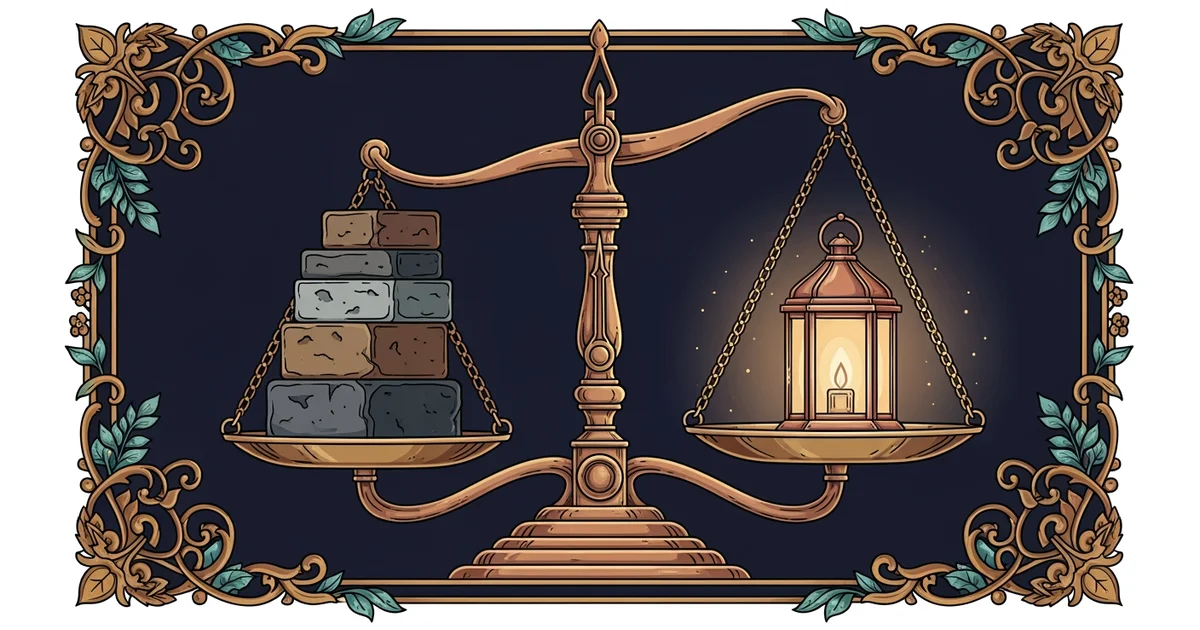
These programs rely on the idea that a stable society requires healthy and secure individuals to function well. When people have access to basic help, they can focus on finding new work or improving their skills. This creates a cycle where the collective support helps the individual recover and eventually contribute back to the economy. It is a balancing act between individual freedom and the shared duty to care for those who are currently struggling. Most democratic nations aim to provide just enough help to prevent suffering without removing the incentive for people to work.
Components of Support Structures
Different countries organize their aid in various ways to match their specific cultural and economic values. Some focus on broad programs that help everyone, while others target only those who meet strict requirements. We can categorize these support structures based on how they distribute resources to the public. Understanding these categories helps us see how different nations prioritize the needs of their vulnerable populations:
- Universal programs provide benefits to all citizens regardless of their income level, which helps reduce the stigma often associated with asking for government assistance.
- Means-tested programs target specific groups who demonstrate a clear financial need, ensuring that limited public funds are directed toward those who require them the most.
- Social insurance programs rely on contributions from workers during their employed years, allowing them to draw benefits later when they retire or face a sudden health crisis.
| Type of Program | Primary Target | Funding Source | Goal of Aid |
|---|---|---|---|
| Universal | All citizens | General taxes | Equal access |
| Means-tested | Low income | General taxes | Poverty relief |
| Social Insurance | Contributors | Payroll taxes | Future security |
These structures show that welfare is not just about giving away money to people who are not working. It is a complex method of managing risk across an entire population to prevent total societal collapse. By using these different models, governments attempt to address various life stages and unexpected events that might cause personal ruin. The challenge for every society is to determine the right mix of these programs to keep the economy strong while protecting the most vulnerable residents. By the end of this path, you will understand how these systems shape the relationship between the state and the individual citizen.
Social welfare systems serve as a collective safety net that balances the necessity of individual self-reliance with the shared responsibility to prevent poverty.
Now that we have defined these structures, we will explore the historical roots of aid to see how these ideas first began.